Morning routines set the tone for the day, and that includes how your digestive system feels. While a cup of coffee is a non-negotiable for many, the first meal of the day offers a prime opportunity to support your gut microbiome. Probiotics—the beneficial bacteria that live in your digestive tract—play a key role in digestion, immune function, and even mood. But finding ways to work them into a busy morning doesn't have to mean swallowing a pill or drinking plain kefir.
These five breakfast ideas are built around whole, probiotic-rich foods that dietitians regularly recommend. They're simple to prepare, satisfying, and designed to support a healthier gut without requiring a major kitchen overhaul.
1. Yogurt and Berry Parfait with Prebiotic Toppings
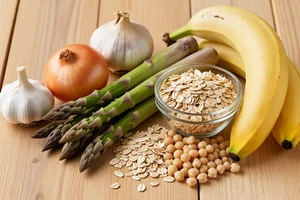
Greek yogurt or traditional plain yogurt is one of the most accessible probiotic sources. Look for varieties labeled "live and active cultures" to ensure you're getting a meaningful dose. Dietitians often recommend pairing yogurt with prebiotic fibers—the food that helps those good bacteria thrive.
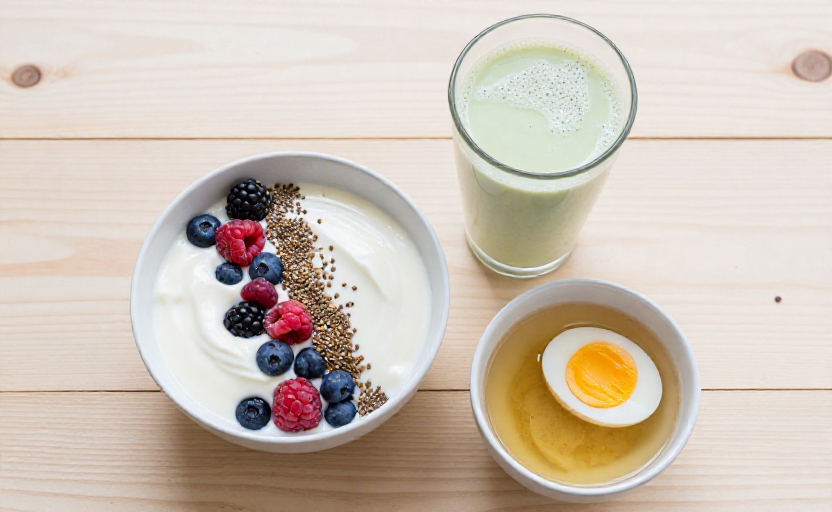
Layer plain yogurt with a handful of fresh or frozen berries (antioxidants and fiber), a tablespoon of ground flaxseeds or chia seeds, and a sprinkle of walnuts. The seeds add omega-3s and soluble fiber, which helps feed the probiotics you just ate. A small drizzle of raw honey or maple syrup is fine if you need sweetness, but keep added sugar low to avoid feeding less helpful gut bacteria.
Quick tip: Avoid flavored yogurts, which often contain added sugar, pectin, or modified corn starch that can interfere with the texture and reduce the beneficial bacteria count.
2. Kefir Smoothie with Spinach and Mango
Kefir is a fermented milk drink that packs a wider variety of probiotic strains than most yogurts. Its thin, drinkable texture makes it an ideal base for a smoothie. A 6- to 8-ounce serving of plain kefir provides around 12 to 15 billion colony-forming units (CFUs) of probiotics, depending on the brand.
Blend kefir with a handful of fresh spinach (minimal taste impact), half a cup of frozen mango chunks for natural sweetness and vitamin C, and a quarter of an avocado for creaminess and healthy fats. The avocado also slows down the sugar absorption from the mango, keeping your energy stable. If you need more protein, add a scoop of unsweetened collagen peptides or a tablespoon of hemp hearts.
3. Cottage Cheese Bowl with Cucumber and Dill
Cottage cheese is often overlooked as a probiotic source, but many brands include live cultures such as Lactobacillus acidophilus and Bifidobacterium. It's also high in casein protein, which digests slowly and keeps you full through the morning.
Top half a cup of cottage cheese with diced cucumber, a handful of cherry tomatoes, and fresh or dried dill. A crack of black pepper and a drizzle of extra-virgin olive oil round out the savory profile. This works well as a light, refreshing breakfast for warmer months. To boost the prebiotic content, add a tablespoon of chopped sun-dried tomatoes or a few slices of radish.
4. Tempeh Breakfast Scramble with Vegetables
Tempeh is a fermented soy product that contains natural probiotics from the fermentation process. It has a firm, nutty texture and works beautifully as a savory breakfast centerpiece. Unlike tofu, tempeh is made from whole soybeans, so it retains more fiber and protein (about 15 grams per half-cup).
Crumble 4 to 6 ounces of tempeh into a non-stick skillet with a little olive oil. Sauté with chopped bell peppers, onions, and a handful of shredded kale or spinach. Season with turmeric, black salt (kala namak) for an eggy flavor if you like, or simply use tamari and nutritional yeast. Serve the scramble alongside a slice of toasted sourdough bread—sourdough is not a probiotic powerhouse itself, but its fermentation process reduces phytic acid and may be easier to digest for some people.
5. Miso Soup with Soft-Boiled Egg and Rice
Miso, a fermented soybean paste, is a staple in Japanese cuisine and a reliable source of Aspergillus oryzae, a probiotic fungus. Most Western breakfast tables don't feature soup, but a warm bowl of miso can be surprisingly grounding and gentle on the stomach first thing in the morning.
Dissolve one tablespoon of white or yellow miso paste in hot (not boiling) water—boiling can kill the beneficial microbes. Add a handful of sliced shiitake mushrooms and a sheet of crumbled nori seaweed for iodine and prebiotic fibers. Top with a soft-boiled egg for protein and serve with a small bowl of leftover brown rice or quinoa. The combination of fermented miso, fiber-rich grains, and protein makes for a balanced, gut-supportive meal that feels restorative rather than rushed.
The Bottom Line on Probiotic Breakfasts
Including a serving of fermented food at breakfast is a practical, food-first strategy for supporting your gut microbiome. Consistency matters more than perfection—a single serving of yogurt or kefir a few times per week is more beneficial than a daily pill that you forget to take. These recipes are designed to fit real mornings: they require minimal prep, use ingredients that keep well in the fridge, and deliver flavor without relying on excessive sugar or processed additives.