
One of the most common stumbling blocks to eating well is the perception that it costs too much. Between organic produce, specialty grains, and high-quality proteins, the grocery bill can climb quickly. But eating for better health doesn't have to mean spending more. In fact, with a few smart substitutions, you can increase the nutrient density of your meals while keeping your budget firmly in check. Here are five food swaps that deliver more nutrition for every dollar.
Swap white rice for bulgur or barley
White rice is a pantry staple because it's cheap and versatile. But it's also a refined grain that has been stripped of most of its fiber, vitamins, and minerals. For roughly the same cost per serving, whole grains like bulgur and barley offer a much bigger nutritional return. A cup of cooked bulgur provides about eight grams of fiber, along with B vitamins, magnesium, and iron. Barley is similarly fiber-rich and has a satisfying chewy texture that works well in soups, salads, and grain bowls. Both grains cook quickly and keep well in the pantry, making them easy, low-cost upgrades.
Swap iceberg lettuce for cabbage or kale
Iceberg lettuce has its place — mostly for crunch and moisture in a burger or taco. But nutritionally, it is mostly water. For the same price per head (or less), green cabbage and curly kale are true powerhouses. Cabbage is packed with vitamin C, vitamin K, and sulforaphane, a compound linked to cellular health. It keeps for weeks in the fridge, so there is no waste. Kale offers a similar advantage: one cup of chopped kale delivers more than 100 percent of your daily vitamin A and vitamin K needs, along with a solid dose of vitamin C and calcium. Both can be used raw in slaws or salads, gently sautéed, or added to soups.
Swap sugary breakfast cereal for rolled oats
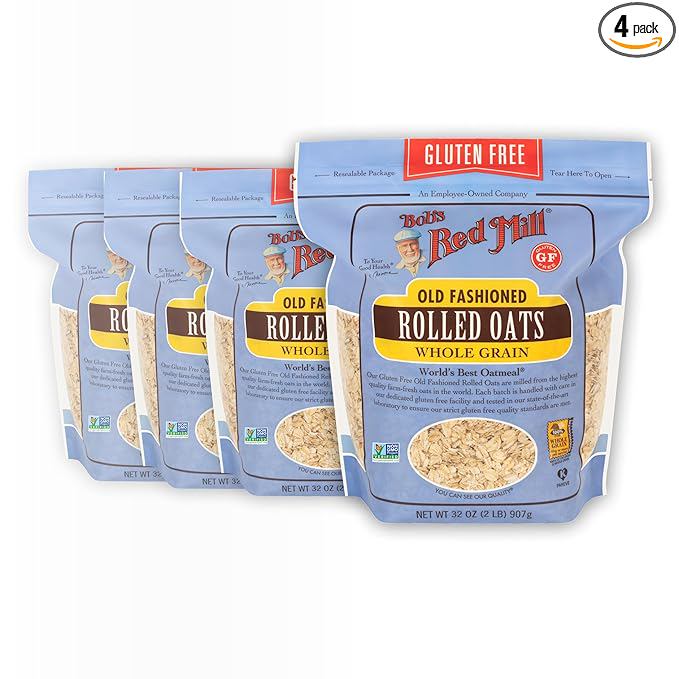
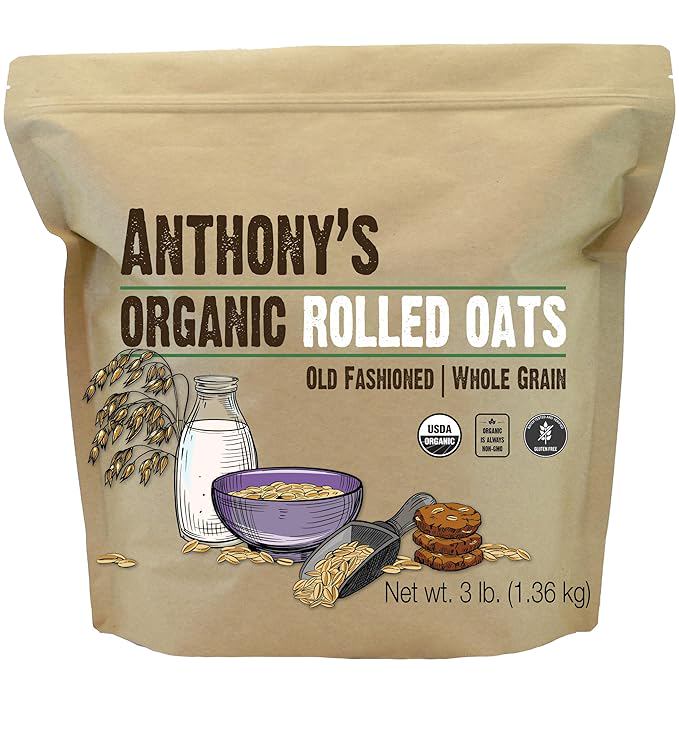
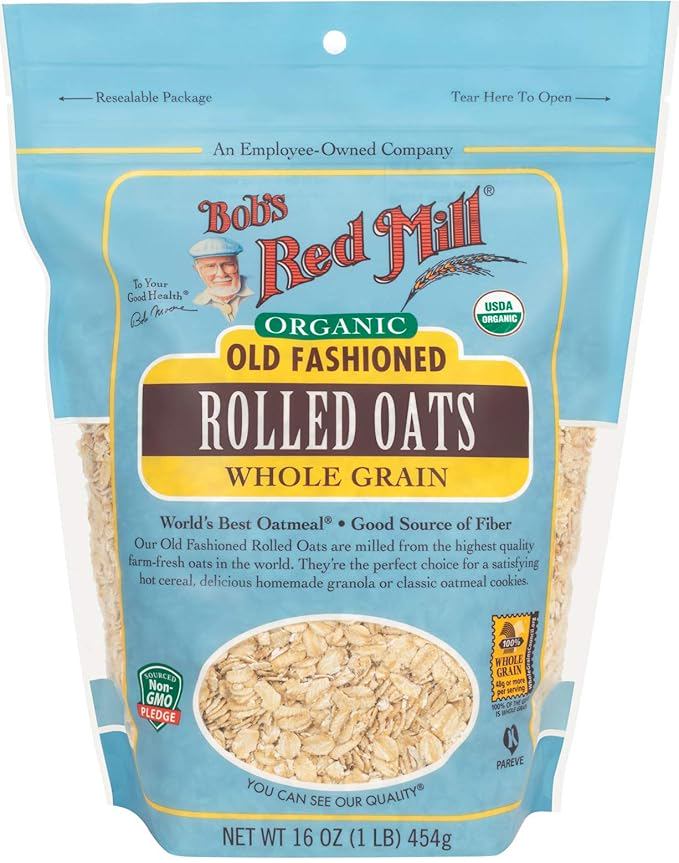
Many boxed cereals are little more than refined grains with added sugar, even when they claim to be healthy. A serving can cost you fifty cents or more and leave you hungry an hour later. Rolled oats, by contrast, cost pennies per serving and offer a steady release of energy thanks to beta-glucan, a type of soluble fiber that supports stable blood sugar and heart health. Oats also contain more protein and fewer additives than most cereals. Make them savory with an egg and some vegetables, or go sweet with a spoonful of nut butter and berries. Either way, you get a far more nutrient-dense start to your day.
Swap beef for lentils or chickpeas
Ground beef is often what people reach for when they want a quick, filling meal. But it is also one of the more expensive sources of protein, especially if you are buying grass-fed or lean varieties. Lentils and chickpeas cost a fraction of the price and deliver similar amounts of protein, plus a hefty dose of dietary fiber that beef simply doesn't have. A cup of cooked lentils provides about 18 grams of protein and 15 grams of fiber, along with folate, iron, and potassium. They also cook in under 30 minutes and can be used in everything from tacos and chili to curries and salads. The swap stretches your grocery budget and adds protective plant compounds that support long-term health.
Swap bottled smoothies or juices for whole fruit
A bottle of green juice or a pre-made smoothie can cost five dollars or more and often contains very little actual fruit or vegetable — mostly water, added sugar, and a splash of juice. You can get far more nutrition per dollar by buying whole fruit in season. A bag of apples or a bunch of bananas costs just a couple of dollars and provides real fiber, vitamins, and antioxidants in their natural package. The fiber in whole fruit slows down the absorption of natural sugars, supporting balanced energy and reducing cravings later. If you miss the convenience of a drink, toss a piece of fruit into your bag. It travels well, requires no refrigeration, and costs a fraction of what you would pay for a bottle with a health halo.
A simple shift: the money you save on packaged health products can go toward vegetables, legumes, and whole grains — the real foundation of a nutrient-dense diet.
Making the switch without feeling deprived
These swaps are designed to meet you where you are. You do not need to overhaul your entire kitchen in one day. Start with one or two substitutions that feel doable. If you love your morning bowl of cereal, try mixing half cereal with half rolled oats for a week. If you rely on ground beef for quick dinners, replace half of it with cooked lentils — your budget and your digestion will thank you. Over time, small upgrades become new habits, and those habits build a diet that is both affordable and genuinely nourishing.