
When your gut is unhappy, your whole body can feel it—bloating, fatigue, brain fog, and even joint pain can all trace back to a simmering fire in your digestive system. The good news is that the fastest way to tame that flame might be sitting in your fridge right now. Dietitians consistently point to five drinks that do double duty: they calm gastrointestinal inflammation while actively feeding the good bacteria that keep your entire system balanced.
Here’s what the experts actually recommend, why each one works, and how to make them part of your routine without overcomplicating things.
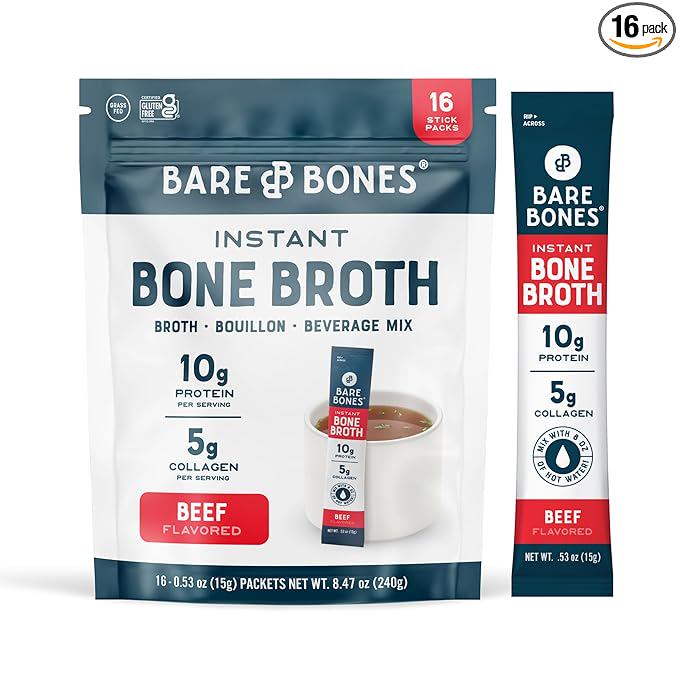
Bone broth: collagen-rich gut soother
Bone broth isn’t just a cozy winter staple. Dietitians love it because the long simmering process pulls out collagen, gelatin, and the amino acid glycine from animal bones. Glycine has been shown to help repair the intestinal lining—often called the “leaky gut” barrier—and reduce inflammation markers in the body.
Look for a brand with simple ingredients (bones, water, vinegar, maybe a little salt and herbs). Or make your own: roast beef or chicken bones, cover with water, add a splash of apple cider vinegar, and simmer for 12–24 hours. A mug in the morning or as a mid-afternoon sip can be surprisingly filling.
Dietitians’ tip: If you’re short on time, high-quality powdered bone broth mixes are a decent backup—just check the sodium content.
Ginger tea: the inflammation cooling agent
Gingerol, the main bioactive compound in fresh ginger, is a potent anti-inflammatory. When you make it into tea, you get a warm, aromatic drink that can settle an upset stomach and reduce systemic inflammation. Multiple studies have found that daily ginger consumption lowers markers like C-reactive protein (CRP), a key sign of inflammation in the body.
Steep a few thin slices of fresh ginger root in hot water for 10 minutes. Add a squeeze of lemon and a tiny pinch of cayenne for extra antioxidant power—or a little raw honey if you want sweetness.
Kefir: the probiotic power punch
While plain water is great for hydration, kefir offers a liquid dose of live bacteria and yeast that directly supports your gut microbiome. Unlike yogurt, kefir is fermented with a wider variety of microbes—some studies suggest over 30 different strains—which can help reduce gut inflammation by improving the balance of your intestinal flora.
Choose an unsweetened plain kefir (fruit-flavored versions often hide a lot of added sugar). Drink it straight, blend it into a smoothie with berries and spinach, or use it as a base for a creamy salad dressing. If you’re lactose-sensitive, fermented dairy products like kefir often have lower lactose content, but you can also find water kefir or coconut milk kefir as alternatives.
Green tea: polyphenol-heavy inflammation fighter
Green tea is packed with catechins—especially epigallocatechin gallate (EGCG)—which are powerful antioxidants that reduce inflammation at the cellular level. Research shows that regular green tea consumption can lower levels of inflammatory cytokines and even help protect the gut barrier from damage.
Aim for 2–3 cups per day, brewed fresh (bottled green tea drinks often have added sugar and fewer active polyphenols). A light squeeze of lemon helps your body absorb the catechins better. If caffeine bothers you, high-quality decaffeinated green tea still retains most of its beneficial compounds.
Water with lemon and a pinch of sea salt: simple hydration reset
Sometimes the most gut-friendly drink is the simplest. Chronic low-level dehydration can worsen inflammation, and plain water doesn’t always get absorbed efficiently. Dietitians suggest adding fresh lemon juice (for vitamin C and antioxidants) and a tiny pinch of high-quality sea salt (for electrolytes) to your water.
The salt helps your body hold onto the water and absorb it into your cells, while the lemon provides a mild detoxifying effect without being harsh on the stomach. It’s a great first thing in the morning drink to gently wake up your digestive system.
When to drink it: Sip this throughout the day, especially if you’ve been sweating, traveling, or eating heavier meals.
Quick daily drink schedule (sample)
- Morning: Warm water with lemon + pinch of sea salt or a cup of bone broth
- Mid-morning: Green tea (with lemon if you like)
- Afternoon: Ginger tea (great for an energy lift without caffeine jitters)
- Evening: Small glass of plain kefir or a second cup of bone broth
No single drink is a magic bullet, but swapping out sugary sodas, alcohol, or excessive coffee for these five options can noticeably lower your body’s overall inflammatory load. Your gut will thank you with better digestion, steadier energy, and less bloating.