After a gentle prenatal yoga session, your body has done beautiful work—stretching, strengthening, and creating space. That post-practice feeling of calm is precious, but sometimes it’s accompanied by the familiar ache of muscles that have been gently engaged. Nourishing your body thoughtfully in the hours that follow can deepen that sense of relaxation and support your muscles as they recover, all while fueling both you and your growing baby.
It’s not about a rigid "recovery meal" but about choosing foods that deliver specific nutrients your body craves after movement. The right choices can help ease tension, reduce inflammation, and replenish energy stores, turning your post-yoga ritual into a holistic act of self-care.
What does your body need after prenatal yoga?
Prenatal yoga is uniquely designed for your changing body. It focuses on stability, flexibility, and breath rather than intensity. Your recovery needs are therefore different from high-impact exercise. Primarily, your body is looking to rehydrate, soothe muscles, and restore a calm nervous system. Key nutrients that facilitate this include magnesium to help muscles relax, protein for gentle repair, antioxidants to manage inflammation, and complex carbohydrates for sustained energy without spikes.
Five supportive foods for post-practice nourishment
These foods are simple, whole, and pack the nutrients that align perfectly with the goals of prenatal yoga: recovery and relaxation.
1. Creamy Plain Yogurt or Kefir
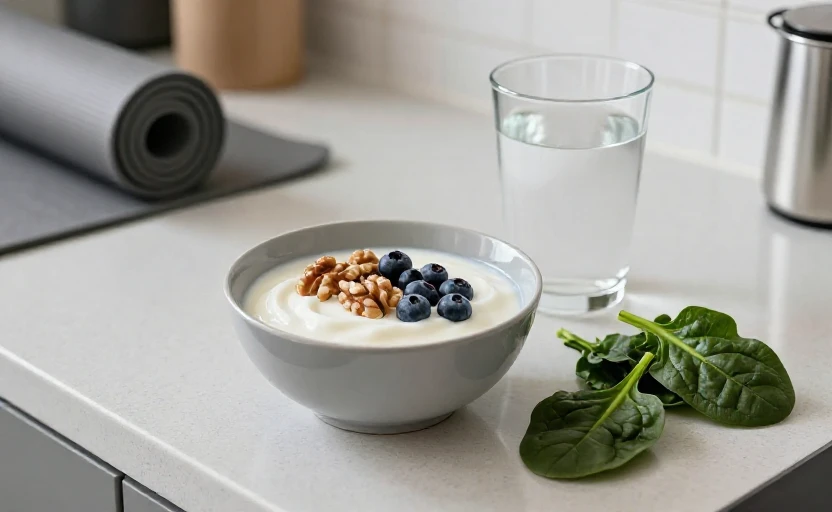
This dairy staple is a dual-purpose recovery food. It provides a blend of high-quality, easy-to-digest protein, which supplies the amino acids needed for minor muscle tissue repair. Perhaps more importantly for relaxation, it’s a natural source of probiotics. Emerging research suggests a strong connection between gut health and stress response via the gut-brain axis. A calm gut can contribute to a calmer overall state.
For a satisfying post-yoga bowl, top yogurt with a drizzle of honey and a handful of berries for added antioxidants.
2. Magnesium-Rich Dark Leafy Greens
Magnesium is often called the relaxation mineral. It plays a critical role in muscle function, helping them to contract and—more importantly for post-yoga—relax. It also supports nervous system regulation. Dark leafy greens like spinach, Swiss chard, and kale are excellent sources.
A simple way to include them is in a post-practice smoothie. Blending a handful of spinach with a banana (another good magnesium source) and some almond milk makes for a easily digestible, nutrient-dense drink. Lightly sautéing greens with a touch of garlic and olive oil is another gentle, flavorful option.
3. Omega-3 Packed Walnuts
Walnuts are a convenient, satisfying snack that delivers three key benefits. First, they contain plant-based omega-3 fatty acids, which have anti-inflammatory properties that can help soothe the body after movement. Second, they offer a small amount of protein and fiber for steady energy. Third, the act of eating something crunchy and substantial can be grounding, helping you stay present in that post-yoga calm.
A small handful (about ¼ cup) is a perfect portion. Pair them with a few dried cherries for a sweet-and-savory mix.
4. Hydrating Coconut Water
Replenishing fluids is paramount after any movement, especially during pregnancy. Coconut water is a natural, electrolyte-rich choice. It contains potassium, magnesium, and sodium, which are lost in small amounts through sweat. These electrolytes help with hydration at a cellular level and can prevent the muscle cramps sometimes associated with dehydration and pregnancy.
Choose a plain, unsweetened variety. While it’s excellent for hydration, it’s not a significant source of calories or protein, so think of it as your rehydration base to enjoy alongside or before a small snack.
5. Complex Carbohydrates: Sweet Potato
Gentle movement still uses your muscle glycogen (stored energy). A complex carbohydrate like sweet potato helps replenish those stores steadily, preventing an energy crash. Its bright orange color signals a high beta-carotene content, an antioxidant that supports the body’s recovery processes. Sweet potatoes are also a source of potassium and vitamin B6, which is involved in over 100 enzyme reactions in the body, including those related to calmness.
For easy digestion, try a simply baked sweet potato or mash it with a bit of cinnamon.
Building a post-practice eating rhythm
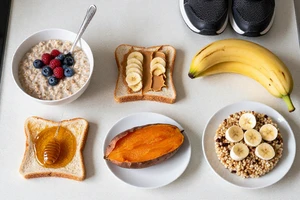
Listening to your body is the most important guideline. You may not feel hungry immediately. That’s okay. Focus on hydration first, perhaps with water or coconut water. Within an hour or two, aim for a small combination of nutrients—like a few walnuts with yogurt, or a slice of sweet potato with a side of greens. The goal is gentle nourishment, not a heavy meal.
Pay attention to how different foods make you feel. Pregnancy can change tolerances, so what works one month might need adjustment the next. The consistency of choosing supportive foods matters more than perfection at any single snack.
A note on overall wellness
These food suggestions are part of a holistic approach to prenatal wellness alongside yoga. They are intended as general nutritional education, not a substitute for personalized advice from your healthcare provider or a registered dietitian, especially if you have specific dietary conditions or pregnancy-related concerns like gestational diabetes. Always discuss significant dietary changes during pregnancy with your care team.