
You come to child’s pose and feel it — a tug behind the thighs that wasn’t there last week. Tight hamstrings during prenatal yoga are common, but they’re not just a flexibility issue. As your body shifts to accommodate your growing baby, your center of gravity changes, your pelvic alignment adjusts, and your hamstrings often bear the compensatory load.
Rather than pushing deeper into a forward fold, you can support those strained tissues from the inside out. The right foods help muscles relax, repair micro-tears, and reduce inflammation — all without a single stretch. Here are five foods that target the specific nutritional needs of tight hamstrings during pregnancy.
1. Bananas — Potassium for Muscle Relaxation
Bananas are well-known for their potassium content, but during pregnancy, that mineral becomes even more important. Potassium works with sodium to regulate fluid balance and nerve signals. When levels drop, muscles are more prone to cramping and tightness — exactly what you feel in the back of your legs after a yoga session.
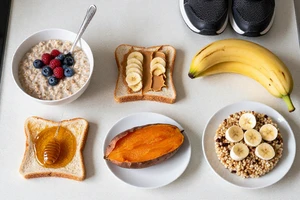
One medium banana provides about 9% of the daily potassium needs for pregnant women. It’s a portable snack you can eat before or after class. Pairing it with a small handful of almonds adds magnesium, which further supports muscle relaxation.
2. Tart Cherries — Nature’s Anti-Inflammatory
Tart cherries contain anthocyanins, compounds that reduce inflammation and oxidative stress in muscle tissue. A 2020 study in the Journal of the International Society of Sports Nutrition found that tart cherry juice significantly reduced muscle soreness and strength loss after exercise. For prenatal yogis, this means less lingering tightness between sessions.
Unlike ibuprofen or other anti-inflammatories that are cautioned against during pregnancy, tart cherries are a safe whole-food option. You can drink unsweetened tart cherry juice, add dried tart cherries to oatmeal, or blend frozen ones into a smoothie with spinach and ginger.
Tip: Look for tart cherry juice without added sugar. A small glass (about 8 ounces) after yoga can help calm muscle tissue overnight.
3. Salmon — Omega-3s for Tissue Repair
Omega-3 fatty acids, particularly EPA and DHA, are essential for reducing systemic inflammation. During pregnancy, your body needs more omega-3s for fetal brain development, but they also help your own muscles recover from strain. Tight hamstrings often involve minor micro-tears in the muscle fibers; omega-3s support the cell-membrane repair process.
Salmon is one of the safest fish choices during pregnancy because it’s low in mercury. Aim for two servings per week. Grilled, baked, or added to salads — just keep portions moderate and avoid raw preparations if you’re pregnant.
4. Sweet Potatoes — Magnesium and Vitamin B6
Magnesium is often called the relaxation mineral, and for good reason. It helps regulate muscle contraction by blocking calcium from entering muscle cells, which allows fibers to relax. A deficiency can show up as cramps, twitches, or persistent tightness — common complaints in the third trimester.
A medium baked sweet potato provides about 15% of the daily magnesium needs for pregnancy, plus vitamin B6, which aids in magnesium absorption. It’s also rich in beta-carotene and fiber. Roast sweet potato wedges with olive oil and rosemary for an easy side dish, or mash them as a base for a nourishing bowl.
5. Dark Leafy Greens — Calcium and Vitamin K
Calcium doesn’t just build bones — it’s directly involved in muscle contraction and relaxation. When calcium levels are balanced, muscles can cycle smoothly between tightening and releasing. During pregnancy, your calcium needs increase to support the baby’s skeletal development, and if dietary intake is low, your body will pull calcium from your own bones and muscles, potentially disrupting that rhythm.
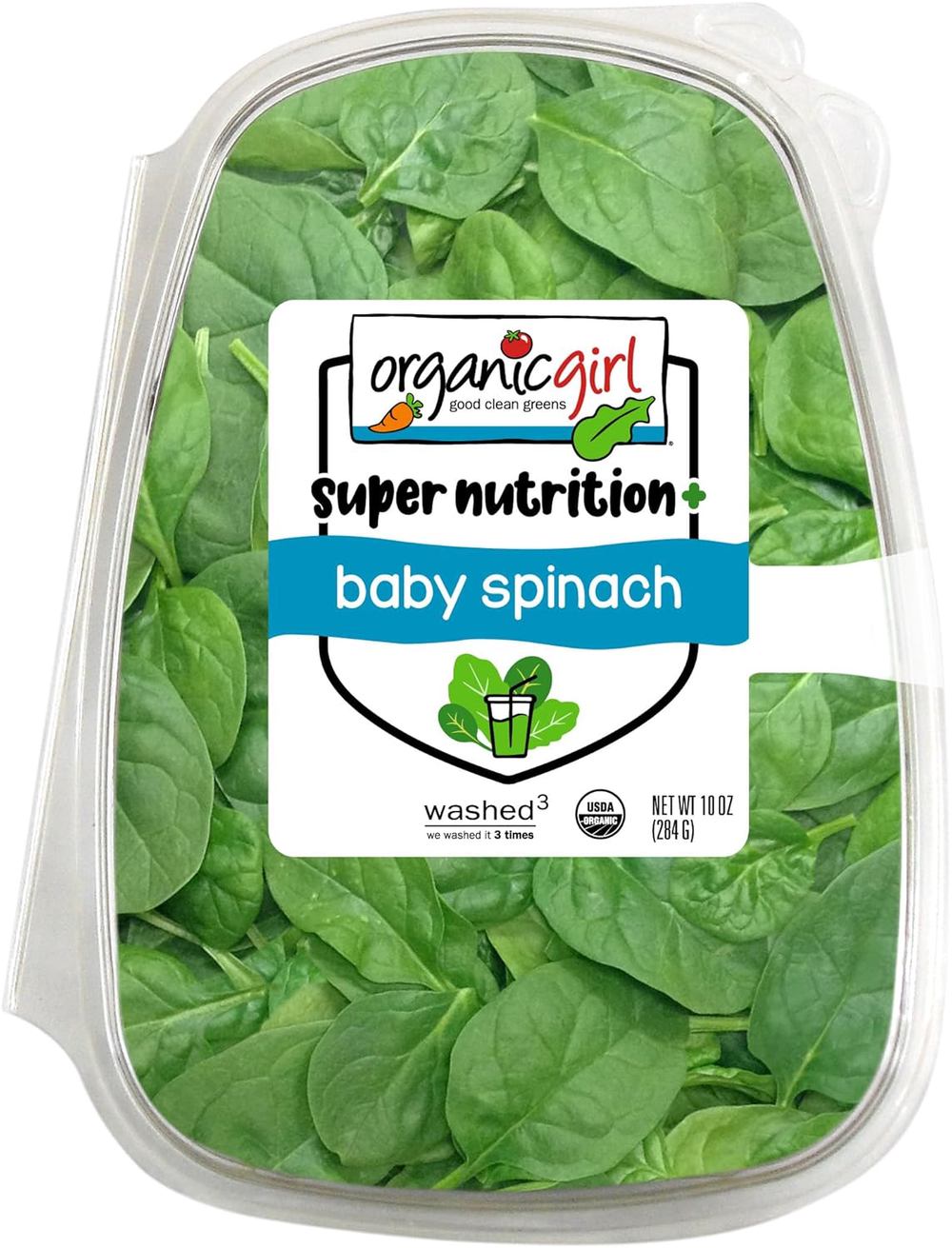
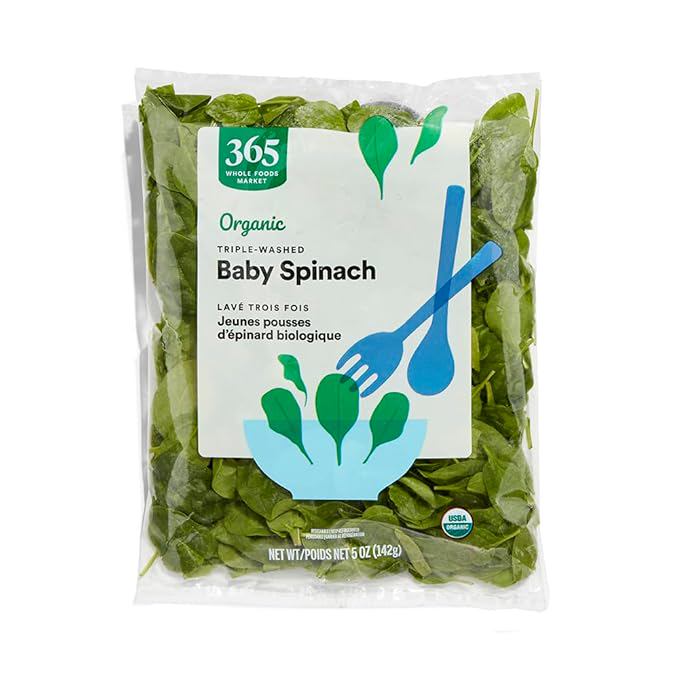
Kale, collard greens, and spinach are excellent sources. One cup of cooked kale provides about 20% of the daily calcium recommendation for pregnant women. Sauté greens with garlic and olive oil, or blend them into a green smoothie with banana and tart cherry juice for a combined hamstring-supporting powerhouse.
Beyond Food: What Else Helps?
Nutrition supports the internal work, but it’s not a substitute for smart movement. If your hamstrings feel consistently tight during prenatal yoga, consider these adjustments:
- Shorten your stance in standing poses — wider feet reduce hamstring pull.
- Use blocks under your hands in forward folds to keep your spine long.
- Prioritize hip openers that target the glutes and piriformis, which often refer tension to the hamstrings.
Tight hamstrings in prenatal yoga aren’t a failure of flexibility. They’re a signal that your body is adapting. Feeding those tissues well gives them the raw materials they need to stay resilient — so you can keep moving through your practice with less strain and more ease.