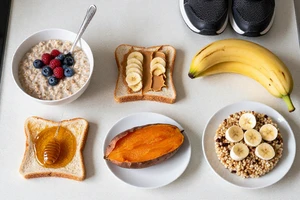
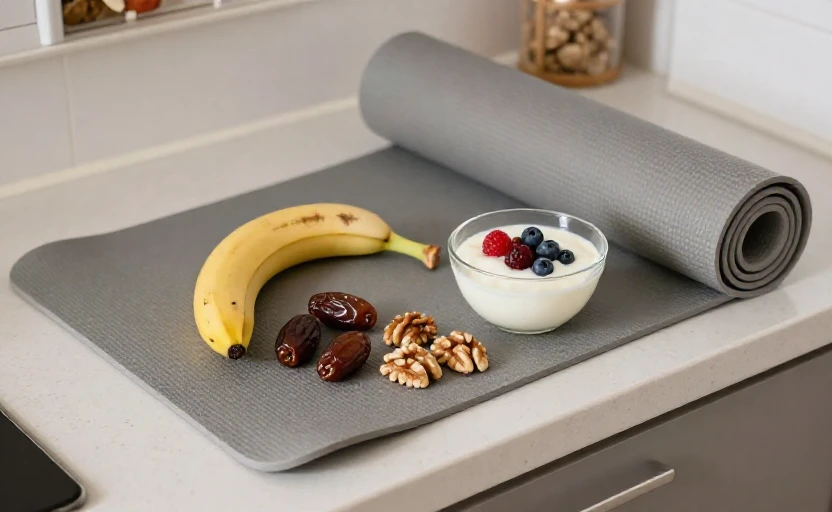
You’ve rolled out your mat, set your intention, and are ready to move. But if your stomach is rumbling or you’re feeling a little lightheaded, it can be hard to find that steady, focused flow. What you eat—and when you eat it—before your practice can make a significant difference in how you feel, move, and breathe.
The goal isn’t to be full, but to be fueled. You want a gentle source of energy that releases steadily, avoiding the spikes and crashes that can come from sugary snacks or heavy meals. The right pre-yoga bite supports stable blood sugar, provides accessible fuel for your muscles, and helps you stay mentally present without digestive discomfort.
What Makes a Good Pre-Yoga Snack?
Think of your body like a wood-burning stove. You want to add a few well-chosen pieces of wood that will burn slowly and evenly, providing consistent warmth. You don’t want to dump in a whole log that smothers the fire, or throw in paper that flares up and dies out instantly.
A balanced pre-yoga snack typically combines a moderate amount of easily digestible carbohydrates for immediate energy, with a little protein, healthy fat, or fiber to slow the absorption of sugars. This combination helps prevent energy dips mid-practice. Timing matters, too. A larger snack might be best 60 to 90 minutes before you start, while a very light one can be enjoyed 30 minutes prior. Listen to your body—it’s your best guide.
Five Foods to Support Your Practice
These options are centered on whole, simple foods that provide that steady burn. They’re easy to prepare, gentle on digestion, and aligned with the mindful intention of your practice.
1. A Small Banana with a Spoonful of Almond Butter
This classic pairing is popular for good reason. Bananas offer potassium, an electrolyte that supports muscle function and can help prevent cramps. Their natural sugars are wrapped in fiber for a gradual energy release. Adding just a bit of almond butter introduces healthy fats and a touch of protein, which further stabilizes your blood sugar and adds staying power to the energy from the fruit.
Try: Half a banana with a teaspoon of almond butter if you’re eating close to your session, or a whole one if you have more time.
2. A Few Dates Stuffed with Walnuts
Dates are nature’s energy chews—sweet, portable, and rich in carbohydrates that your body can quickly use. Their fiber content prevents a sugar rush. Stuffing one or two with a walnut halves adds omega-3 fatty acids, protein, and a satisfying crunch. This tiny package delivers a concentrated source of fuel that feels light in your stomach.
It’s a perfect option when you need something sweet but substantial enough to carry you through a vigorous vinyasa or a longer class.
3. Plain Greek Yogurt with a Handful of Berries
For those who practice in the morning, this can be an ideal pre-yoga breakfast. Greek yogurt is packed with protein, which provides a slow-release energy source and helps keep you feeling satisfied. The berries add a burst of antioxidants and natural sweetness with minimal sugar, along with hydration from their water content.
Opt for plain yogurt to avoid the added sugars found in many flavored varieties, and let the fruit provide the sweetness.
4. A Slice of Whole-Grain Toast with Avocado
When you have a bit more time before practicing, this savory option offers excellent balance. The complex carbohydrates from whole-grain bread break down slowly. Avocado contributes monounsaturated fats, which are anti-inflammatory and provide a sustained energy source. A sprinkle of chia seeds or a light dash of sea salt can add minerals and flavor.
It’s grounding, nourishing, and unlikely to cause any digestive upset if you allow 60 to 90 minutes for digestion.
5. A Small Bowl of Oatmeal
Oatmeal is the quintessential steady-energy food. Its soluble fiber forms a gel in the digestive tract, leading to a very gradual rise in blood sugar. For a pre-yoga boost, keep it simple: cook oats with water or a milk of your choice, and top with a few slices of banana, a sprinkle of cinnamon, or a teaspoon of maple syrup.
Avoid loading it with heavy toppings right before you practice. A small portion is key—think of it as fuel, not a feast.
Foods and Drinks to Approach with Caution
Just as some foods support your practice, others can detract from it. Heavy, greasy, or very large meals can make you feel sluggish and may cause discomfort in twists or inversions. Highly processed snacks or sugary drinks can lead to a quick energy high followed by a crash, leaving you fatigued.
Be mindful of very high-fiber foods right before you start, as they can cause gas or bloating for some people. And while hydration is crucial, gulping a huge amount of water immediately before stepping on the mat can lead to that sloshing, uncomfortable feeling during movement.
The most profound aspect of yoga is learning to listen to your own body. These food suggestions are a starting point, not a rigid prescription. Notice how you feel after trying different options. Does a banana leave you energized or slightly bloated? Does oatmeal sit well or feel too heavy? Your personal experience is the ultimate authority. By choosing foods that provide steady energy, you’re honoring your body’s needs and creating the ideal internal environment for a focused, strong, and mindful practice.