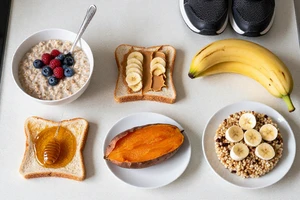

If you’re managing chronic back pain, you’ve likely explored physical therapy, ergonomic adjustments, and perhaps even yoga. But the kitchen might be one of the most overlooked places for finding relief. What you eat can directly influence inflammation, nerve sensitivity, and tissue health—all of which play a role in how your back feels day to day.
Nutritionists point out that while no single food is a magic bullet for pain, certain dietary patterns can create a biochemical environment that either soothes or aggravates chronic discomfort. The goal isn’t a restrictive diet, but a mindful approach that identifies and reduces the everyday items that might be quietly fueling the fire.
How does food actually affect back pain?
The connection between your plate and your spine isn’t as direct as a muscle pull, but it’s profound. Chronic back pain often involves persistent inflammation in the muscles, joints, or nerves of the spine. Certain foods can promote the production of pro-inflammatory chemicals in the body, while others help calm that response.
Furthermore, some foods can contribute to oxidative stress, damaging tissues, or may influence the perception of pain itself. Being mindful of these triggers allows you to support your body’s natural healing processes from the inside out.
Foods nutritionists suggest limiting
Based on their understanding of inflammation and metabolic health, nutritionists commonly advise clients with chronic pain to be cautious with a few specific categories. The key is observation: notice if reducing these foods correlates with a noticeable change in your stiffness or discomfort levels.
Refined sugars and high-fructose corn syrup
Found abundantly in soda, candy, pastries, and many processed snacks, refined sugars are a primary driver of systemic inflammation. They can spike blood sugar and insulin levels, leading to the release of inflammatory messengers called cytokines.
A steady diet of sugary foods can keep the body in a low-grade inflammatory state, which may heighten pain sensitivity over time.
This doesn’t mean you must never have dessert. The concern is the consistent, high intake from hidden sources like sweetened yogurts, breakfast cereals, sauces, and packaged bread.
Processed vegetable and seed oils
Oils like soybean, corn, sunflower, and safflower oil are high in omega-6 fatty acids. While we need some omega-6s, the modern diet is overwhelmingly skewed toward them and away from anti-inflammatory omega-3s. This imbalance promotes inflammatory pathways.
These oils are staples in fried foods, fast food, and many packaged snacks like chips and crackers. Checking ingredient lists can be revealing; they’re often simply labeled as “vegetable oil.”
Processed and cured meats
Bacon, sausage, hot dogs, and deli meats like salami often contain advanced glycation end products (AGEs) and other compounds formed during high-temperature processing and curing. These substances are known to stimulate inflammation. Many also contain preservatives like nitrates, which some studies suggest may influence pain perception and inflammation.
Refined carbohydrates
White bread, white pasta, pastries, and other foods made with refined flour act much like sugar in the body. They break down quickly, causing blood sugar spikes and contributing to that same inflammatory cytokine response. They also lack the fiber and nutrients of their whole-grain counterparts, which help modulate inflammation.
Excessive alcohol
While an occasional drink may not be problematic, regular or heavy alcohol consumption can disrupt gut health, increase liver stress, and promote inflammation. It can also interfere with sleep quality, and poor sleep is a well-known amplifier of pain perception. For some, certain types of alcohol (like red wine for some, or grain-based liquors for others) may be more triggering.
What to focus on instead
Shifting focus toward what you can add is more empowering than just listing restrictions. Aim to build your meals around anti-inflammatory foundations:
- Colorful fruits and vegetables: Rich in antioxidants that combat oxidative stress. Berries, leafy greens, and bright peppers are excellent choices.
- Healthy fats: Prioritize omega-3 sources like fatty fish (saldom, mackerel), walnuts, flaxseeds, and chia seeds. Use olive oil and avocado oil as primary cooking fats.
- Lean proteins and plants: Incorporate beans, lentils, tofu, and lean poultry to support tissue repair without the inflammatory compounds found in processed meats.
- Whole grains: Choose quinoa, brown rice, and oats for steady energy and fiber.
- Hydration: Water is essential for disc health and flushing out metabolic byproducts. Herbal teas like ginger or turmeric can offer additional anti-inflammatory benefits.
Think of it as crowding out the less helpful foods by filling your plate with more of the nourishing ones. You might start by swapping one item at a time—exchanging white rice for quinoa, or snacking on nuts instead of chips—and observe how your body responds.
A mindful, personalized approach
It’s crucial to remember that food sensitivities are individual. One person might find dairy exacerbates their stiffness, while another does not. Gluten or nightshade vegetables (like tomatoes and peppers) are other common, but not universal, triggers.
Consider keeping a simple food and symptom journal for a few weeks. Note what you eat and any changes in your pain level, stiffness, or energy. This personalized data is far more valuable than any blanket rule. Always discuss significant dietary changes with your doctor or a registered dietitian, especially if you have other health conditions.
Managing chronic back pain is a multi-faceted journey. Nutrition is one powerful, foundational piece of that puzzle. By reducing foods that promote inflammation and nourishing your body with whole, anti-inflammatory options, you’re creating an internal environment that supports healing, resilience, and greater comfort.