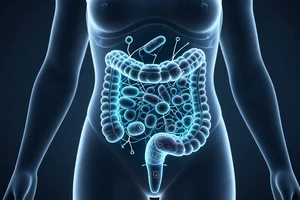

You brush your teeth, eat your vegetables, and try to get enough sleep. Yet something feels off—persistent bloating, brain fog, a recurring yeast infection, or an inexplicable sugar craving that hits every afternoon. You might blame stress or just getting older, but there is a quieter culprit that often flies under the radar: an overgrowth of Candida, a type of yeast that lives in your gut and other warm, moist areas of your body.
When your microbiome is balanced, Candida is harmless. But certain everyday habits—things you likely do without a second thought—can tip that balance, allowing the yeast to overgrow. The tricky part? The symptoms are subtle and easy to chalk up to something else. Here are the five daily habits that may be quietly feeding Candida overgrowth.
You Start Your Morning With a Sugary Coffee or Smoothie
That morning latte or fruit-packed smoothie might feel like a harmless pick-me-up, but for Candida, it is breakfast. The yeast thrives on sugar and simple carbohydrates. When you flood your system early in the day with a high-sugar beverage, you are essentially ringing the dinner bell for the yeast in your gut.
A typical flavored latte from a coffee shop can contain 30 to 50 grams of sugar. A smoothie made with banana, mango, orange juice, and yogurt can pack a similar punch. Over time, this daily spike in blood sugar feeds the yeast, encouraging it to multiply and form colonies that disrupt your intestinal lining.
A simple switch: Try black coffee with a splash of unsweetened oat milk, or a smoothie built around leafy greens, avocado, and a small handful of berries instead of tropical fruits and juice.
You Rely on Antibacterial Hand Soap and Wipes
This one surprises most people. Antibacterial products are not selective. They kill a broad spectrum of bacteria, including the beneficial strains that keep Candida in check on your skin and in your digestive tract. When you use antibacterial hand soap several times a day or regularly use disinfectant wipes on surfaces you touch, you are reducing your exposure to friendly microbes that normally compete with yeast.
The skin microbiome, like the gut microbiome, depends on diversity. When you strip it too aggressively, you create an opening for Candida to colonize. This is especially relevant if you have a tendency toward skin rashes, athlete's foot, or vaginal yeast infections.
A simple switch: Wash your hands with plain soap and water instead of antibacterial formulas. Your immune system and your skin's beneficial flora will thank you.
You Eat a Big Dinner Late in the Evening
Late-night eating is common—especially after a busy day when dinner slides to 9 p.m. or later. But eating a large meal close to bedtime can mess with your body's natural cleansing cycle. Your digestive system needs a break to perform something called the migrating motor complex, a wave-like pattern of contractions that sweeps residual food, bacteria, and yeast out of your small intestine.
When you eat late, you interrupt that process. Food lingers longer in your gut, giving Candida more time to ferment it and grow. This is also why people with Candida overgrowth often report waking up bloated or with a coated tongue, even if they ate a healthy dinner.
A simple switch: Aim to finish your last meal at least three hours before you go to sleep. If you are truly hungry later, stick to a small handful of almonds or a cup of herbal tea.
You Take Antibiotics Without Supporting Your Gut
Antibiotics are lifesaving, no question. But their collateral damage is real. A single course of broad-spectrum antibiotics can wipe out up to one-third of your gut bacteria, including the strains that suppress Candida. Without those bacterial gatekeepers, yeast can run rampant.
The problem is that many people take antibiotics—for a sinus infection, a urinary tract infection, or even a dental procedure—and do nothing afterward to repopulate their gut. The resulting imbalance can persist for weeks or months, silently setting the stage for Candida overgrowth.
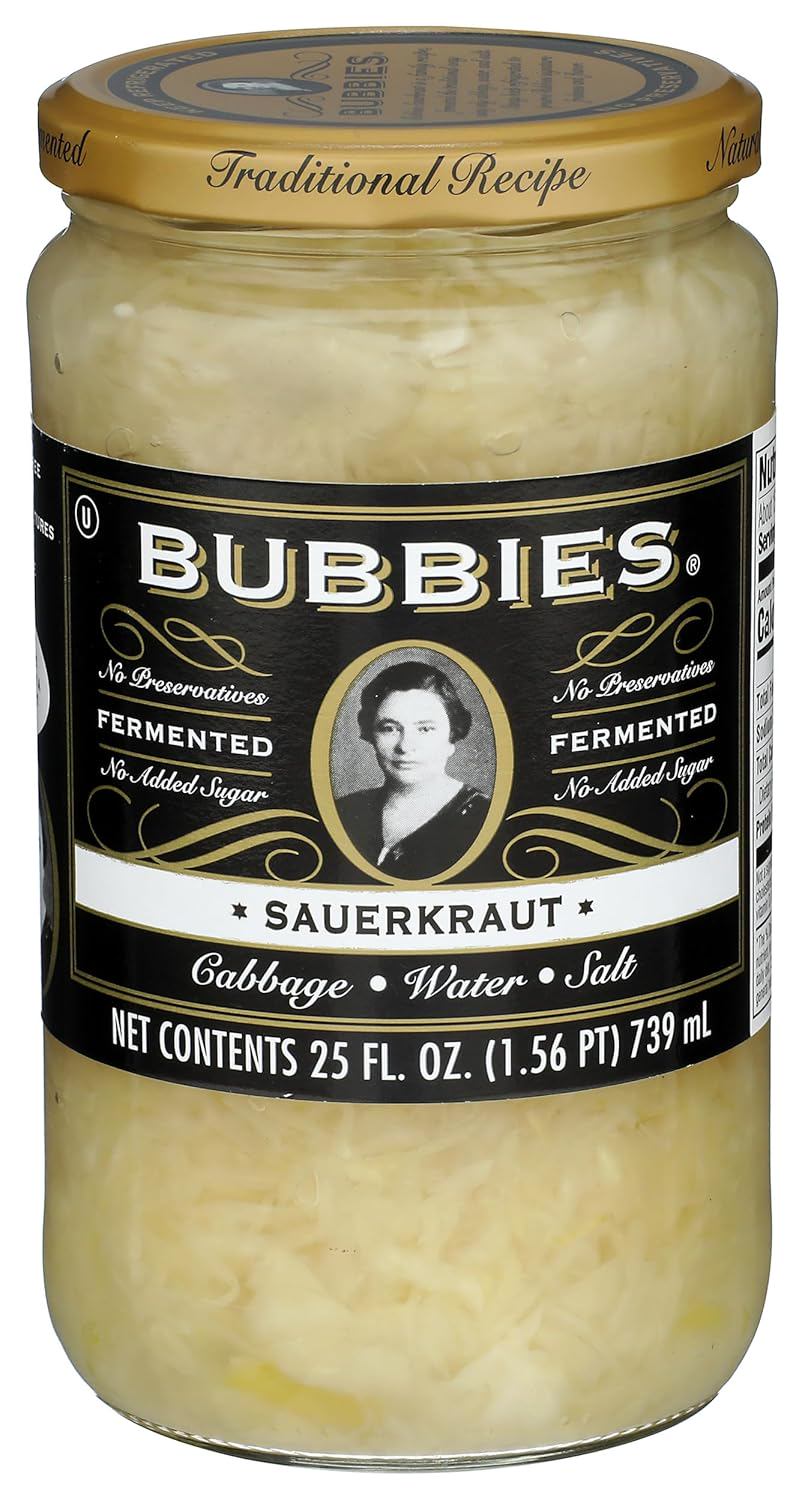
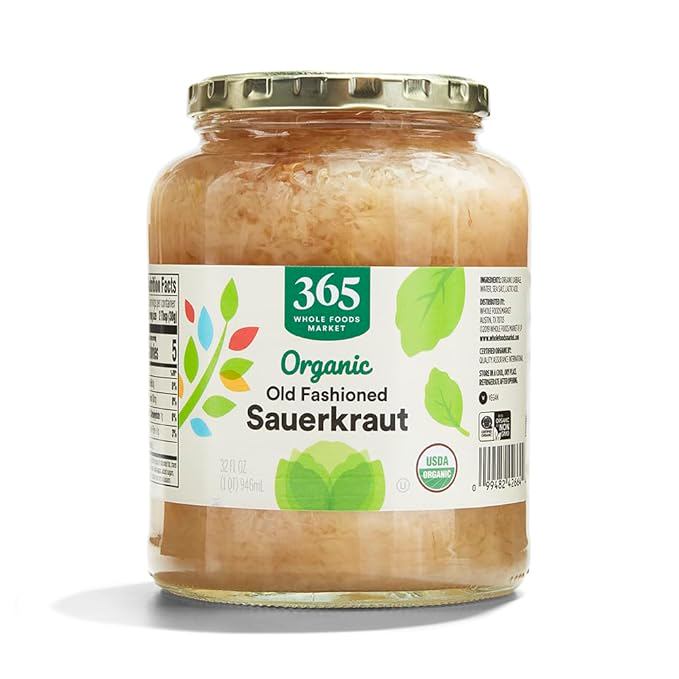
A simple switch: If you need an antibiotic, ask your doctor about a shorter course or a narrow-spectrum option. After finishing the course, eat fermented foods like unsweetened yogurt, kefir, sauerkraut, or kimchi daily to help replenish beneficial bacteria. Wait at least two hours after taking the antibiotic to eat these foods so the medication is fully absorbed.
You Drink Alcohol More Than a Few Times a Week
Alcohol does not just stress your liver. It also directly feeds Candida. Alcoholic beverages—especially beer, wine, and sugary cocktails—are rich in sugar and yeast-friendly compounds. Even a glass of red wine every evening provides a steady supply of glucose that the yeast can use for energy and reproduction.
Beyond the sugar content, alcohol impairs your immune system's ability to keep yeast in check. It weakens the gut barrier (often called leaky gut) and reduces the activity of immune cells that patrol your intestinal lining for fungal invaders. For someone already prone to Candida issues, a nightly drink can be the difference between a balanced gut and a full-blown overgrowth.
A simple switch: Try alcohol-free days during the week. When you do drink, choose spirits mixed with soda water and lime, which contain less sugar than wine or beer. Limit yourself to one serving, and always have it with food to slow absorption.
Not everyone who does these things will develop Candida overgrowth. Your genetics, overall diet, stress levels, and immune function all play a role. But if you have been feeling inexplicably tired, bloated, or irritable, and simple explanations keep evading you, it might be worth looking at these five habits. A few small adjustments to your daily routine could help restore balance to your gut and your life.