Protein is often treated as the superhero of the nutrition world—and for good reason. It helps repair muscle, supports immune function, and keeps you feeling full. But with so much chatter about protein shakes, bars, powders, and high-protein diets, a lot of misinformation has crept in. If you've ever wondered whether you really need to chug a shake right after a workout or if eating too much protein can damage your kidneys, you're not alone. Let's set the record straight on five of the most persistent myths about protein and uncover the science that busts them wide open.
Myth 1: You Must Eat Protein Immediately After a Workout
The idea of a 30-minute “anabolic window” has been gospel in gym circles for years. The belief is that if you don't consume protein within that narrow window, your muscles won't recover properly and you'll lose gains. The reality is far more forgiving. While it's true that your body is primed to use protein after exercise—especially resistance training—the window is actually wider than you think. Research suggests that consuming protein within a couple of hours post-workout is more than adequate for most people. What matters more is your total daily protein intake. If you're hitting your daily protein goals, you can relax about the exact timing of your post-workout meal.
Myth 2: High-Protein Diets Damage Your Kidneys
This myth has been around for decades, usually aimed at people who eat a lot of red meat or use protein supplements. The concern stems from the fact that protein metabolism produces nitrogenous waste, which must be filtered by the kidneys. In people with pre-existing kidney disease, a very high protein intake can indeed be problematic. However, for healthy individuals with normal kidney function, research consistently shows that higher protein diets do not cause kidney damage. In fact, many athletes and active adults routinely consume 1.6 to 2.2 grams of protein per kilogram of body weight with no adverse kidney effects. If you have a history of kidney issues, it's always wise to ask your doctor. But for most healthy people, this worry is unfounded.
Myth 3: Plant Protein Is Incomplete and Inferior
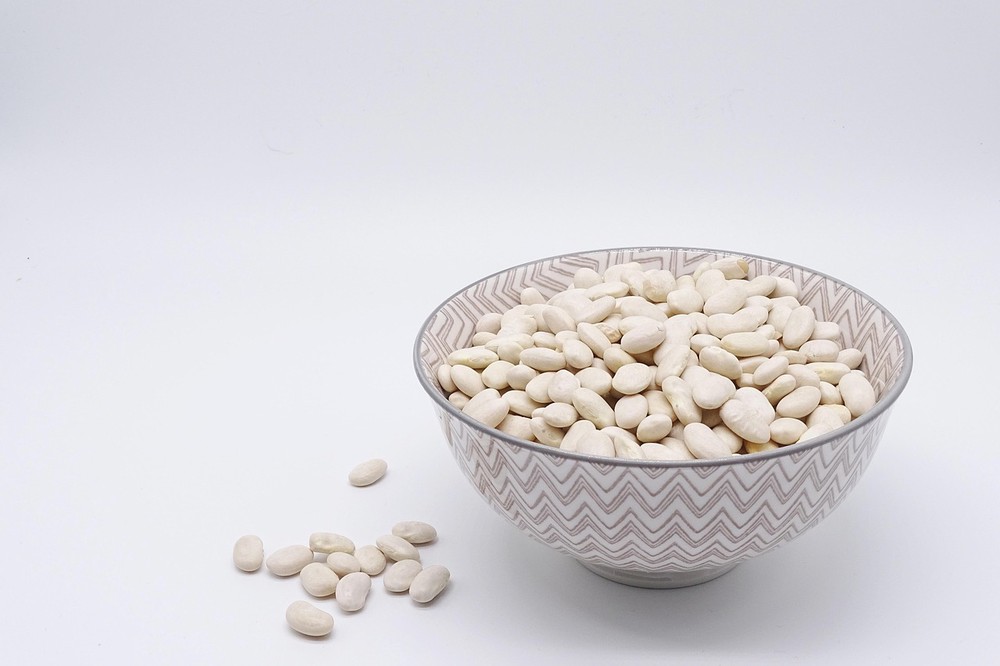
A common refrain among meat-eaters is that plant protein doesn't “count” because it lacks one or more essential amino acids. It's true that many individual plant foods—like rice, beans, or nuts—are not complete proteins on their own. But this misses the bigger picture: you don't need to eat a complete protein at every meal. Your body maintains a pool of amino acids that it draws from throughout the day. By eating a varied diet that includes legumes, grains, nuts, seeds, and vegetables, you easily get all the essential amino acids you need. Soy, quinoa, and hemp seeds are also complete proteins on their own. Plant protein can absolutely support muscle building, recovery, and overall health when you eat enough of it.
Myth 4: More Protein Always Means More Muscle
It's tempting to think that doubling your protein intake will double your muscle gains, but the body has limits. Once you meet your body's protein needs for muscle repair, growth, and other functions, any excess protein is either used for energy or stored as fat. There's no harm in eating a bit extra—it just won't build extra muscle. The sweet spot for most active individuals is somewhere between 1.6 and 2.2 grams per kilogram of body weight per day (roughly 0.7 to 1 gram per pound). Going far beyond that doesn't provide additional benefits for muscle synthesis. Instead, it may displace other important nutrients from your diet.
Myth 5: Protein Supplements Are Essential for Fitness
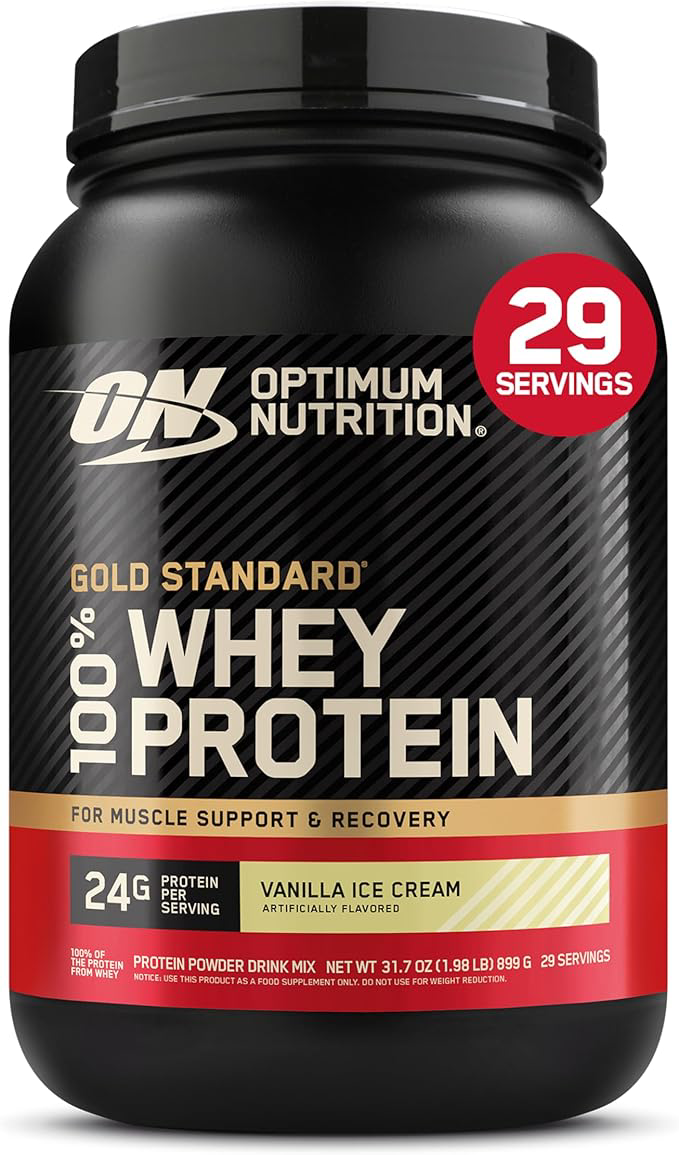
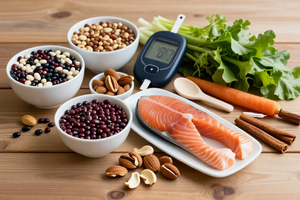
Walk into any supplement store and you'll see an overwhelming display of protein powders, bars, and ready-to-drink shakes. The marketing suggests that these products are necessary for achieving a fit physique. In reality, whole food sources—chicken, fish, eggs, dairy, legumes, tofu, and nuts—can meet your protein needs just as effectively as supplements. Whole foods also provide fiber, vitamins, minerals, and phytonutrients that isolated protein powders lack. Protein supplements are convenient when you're on the go or struggle to eat enough, but they are by no means essential. Your body doesn't know whether the protein came from a powder or a piece of salmon; it just knows how many amino acids it received.
Bottom line: Protein is vital for health and muscle repair, but you don't need to follow extreme rules to get its benefits. Focus on a balanced intake from real food, spread throughout the day, and let go of the myths that turn protein into a source of stress rather than nourishment.