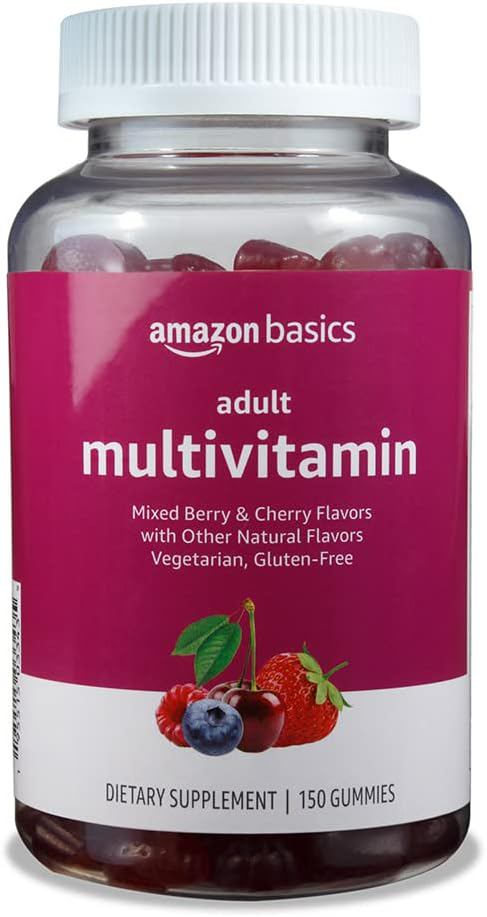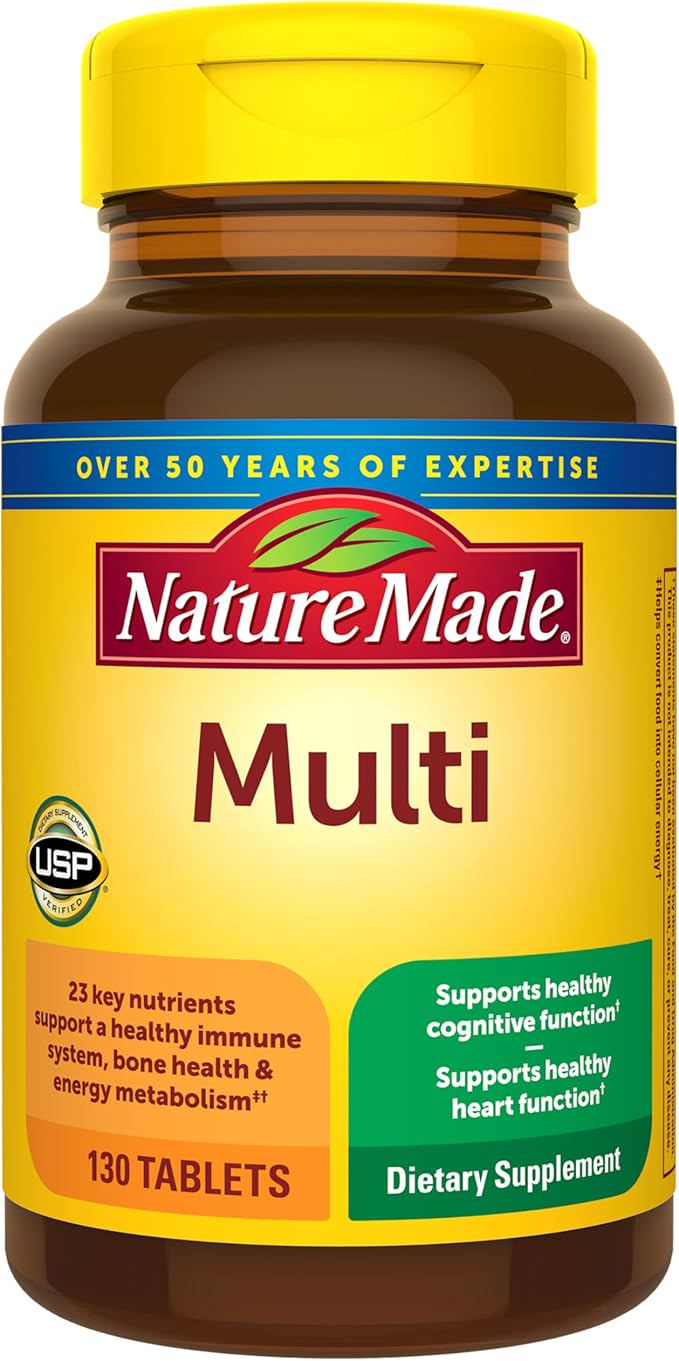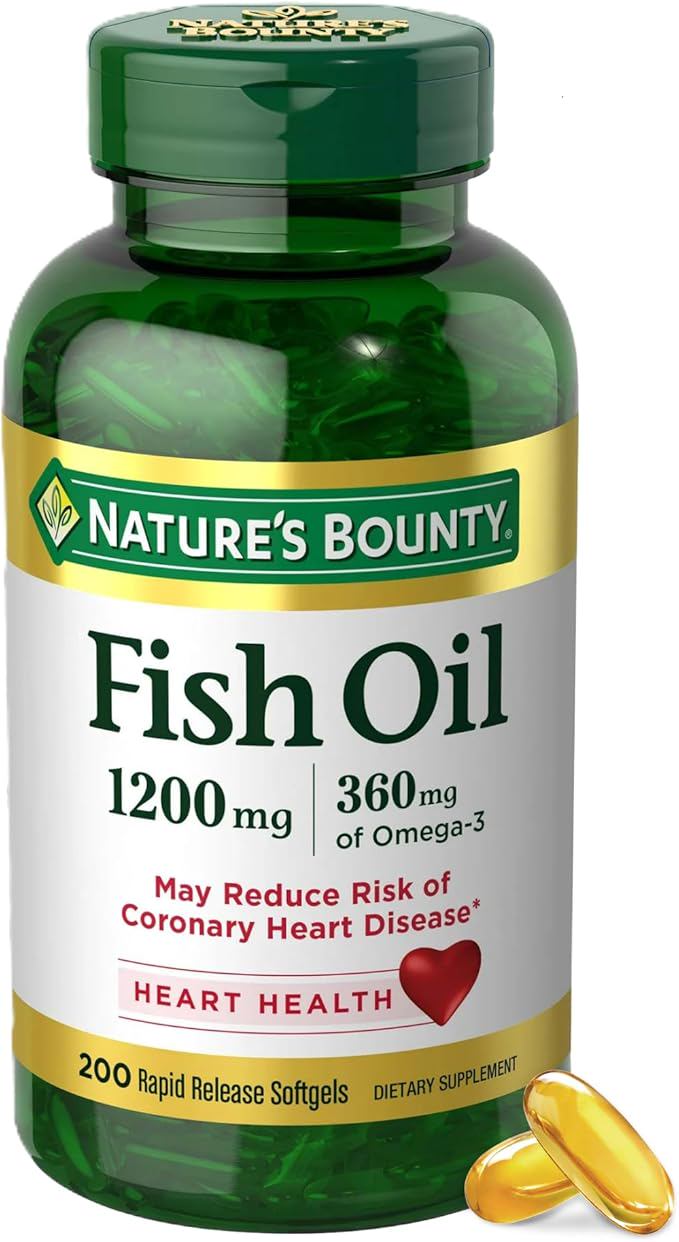
Walk into any pharmacy or health food store, and you are faced with shelves lined with bottles promising better energy, stronger immunity, and even weight loss. Dietary supplements have become a fixture in many daily routines, yet a surprising amount of misinformation still circulates about what they can and cannot do. Between social media influencers and well-meaning friends, it is easy to pick up beliefs about supplements that simply aren't backed by science.
Let's clear the air. Below are five of the most persistent myths about dietary supplements, along with what the evidence actually says. The goal here is not to tell you what to take or how much, but to help you navigate the noise with a clearer, more cautious perspective.
Myth 1: Supplements Can Replace a Balanced Diet
This is perhaps the most common misunderstanding. Many people reach for a multivitamin or a greens powder with the idea that it can fill in for missed vegetables, whole grains, or lean proteins. But supplements are designed to supplement, not substitute. Whole foods contain a complex matrix of fiber, phytonutrients, and compounds that work synergistically in ways that isolated nutrients in a pill cannot replicate. No supplement package can fully mimic the benefits of eating a varied diet rich in colorful produce. For overall wellness, think of supplements as a backup, not the main event.
Myth 2: More Is Always Better for Vitamins
If a little bit of vitamin C is good, a lot must be great, right? Not necessarily. Many vitamins and minerals have a threshold beyond which they stop being beneficial and can become harmful. Fat-soluble vitamins like A, D, E, and K are stored in the body and can accumulate to toxic levels if taken in excessive amounts. Even water-soluble vitamins like B6 can cause nerve damage when consumed in megadoses. The body has an intricate balance, and exceeding the recommended daily allowances — especially without a known deficiency — can lead to side effects ranging from digestive upset to more serious health issues.
As a general rule, always check the upper tolerable intake level for any supplement you are considering, and be wary of products that boast extreme potencies without explanation.
Myth 3: Natural Means Safe
The word "natural" is often used interchangeably with "safe" in the supplement aisle, but this is a dangerous oversimplification. Many naturally derived substances are powerful bioactive compounds that can interact with prescription medications, affect blood pressure, or stress the liver. For example, St. John's Wort is a natural herb that can seriously reduce the effectiveness of birth control pills and antidepressants. Similarly, high doses of certain botanicals can be taxing on the kidneys. A product being plant-based or chemical-free does not automatically guarantee its safety for every person in every situation. It is always prudent to check with a healthcare professional before starting a new supplement, especially if you have an underlying condition.
Myth 4: Supplements Are Regulated Like Drugs
Many consumers assume that because a supplement is sold on store shelves, it has undergone the same rigorous safety and efficacy testing as prescription medications. This is not accurate. In the United States, for instance, dietary supplements are regulated under the Dietary Supplement Health and Education Act of 1994, which treats them more like food than drugs. Manufacturers are responsible for ensuring their products are safe before they go to market, but the Food and Drug Administration (FDA) does not approve supplements for safety or effectiveness before they are sold. This means product quality, purity, and potency can vary significantly between brands. It is wise to look for third-party testing seals from organizations like USP, NSF International, or ConsumerLab to help verify what is inside the bottle.
Myth 5: You Will Notice Results Right Away
Supplements are not magic bullets. Unlike a pain reliever that works within minutes, most dietary supplements require consistent use over weeks or even months to produce subtle, cumulative effects on the body. Furthermore, if you are not deficient in a particular nutrient, taking more of it is unlikely to yield any noticeable improvement in how you feel. The placebo effect can sometimes create a perceived benefit in the short term, but real physiological changes tend to be gradual. Managing expectations is important: a supplement is a part of a larger wellness picture that includes sleep, stress management, physical activity, and a solid diet.
The Bottom Line
Dietary supplements can play a helpful role for certain individuals, such as those with diagnosed deficiencies, restrictive diets, or specific health needs. But they are not a shortcut to health, nor are they free from risks. By understanding these common myths, you can approach the supplement aisle with a more informed, cautious, and realistic mindset. When in doubt, always speak with a registered dietitian or a physician who knows your personal health history.