
Living with a food intolerance often feels like navigating a maze. You might cut out a trigger food, feel better for a while, then suddenly symptoms return. Or you may be following a strict elimination diet but still dealing with bloating, fatigue, or brain fog. The frustration is real—and it’s often not the intolerance itself that’s the problem, but the way we manage it.
After working with dozens of clients navigating lactose, gluten, histamine, and FODMAP sensitivities, I’ve noticed the same patterns cropping up again and again. Here are the five most common mistakes people make when managing food intolerances—and how to avoid them.
1. Over-restricting Without a Clear Plan
It’s tempting to cut out an entire food group the moment you suspect a problem. Dairy, gluten, soy—gone. While elimination can be a useful diagnostic tool, doing it without structure often leads to nutritional gaps and a joyless relationship with food.
The mistake: removing multiple foods at once, or staying on a strict elimination diet for months without reintroducing anything. This can lead to deficiencies in calcium, vitamin D, B vitamins, and fiber, and it may actually make your gut more reactive over time.
A better approach: work with a registered dietitian or use a structured framework like the low-FODMAP diet, which includes clear reintroduction phases. The goal is to identify your exact threshold, not to live on chicken and rice forever.
2. Ignoring Cross-Reactivity and Hidden Triggers
You’ve cut out obvious sources—no more milk in your coffee, no wheat toast. Yet your stomach still churns. One overlooked factor is cross-reactivity. Some people with lactose intolerance, for example, also react to A1 casein in certain dairy products, or to proteins in goat or sheep milk.
Similarly, hidden triggers lurk in processed foods. Lactose shows up in deli meats, salad dressings, and even some medications. Gluten can hide in soy sauce, broth, and spice blends. If you’re still symptomatic, examine your labels for words like “whey,” “malt,” “hydrolyzed vegetable protein,” and “natural flavors.” It takes a little detective work, but the payoff is huge.
Quick tip: Download a reputable barcode-scanning app for your cuisines of concern—it helps you spot hidden ingredients at a glance.
3. Not Distinguishing Between Intolerance, Sensitivity, and Allergy
These terms get thrown around interchangeably, but they mean very different things. A true food allergy involves the immune system and can be life-threatening. An intolerance, like lactose or histamine intolerance, is a digestive issue—your body lacks an enzyme to break down a certain compound. A food sensitivity is murkier; symptoms may be delayed and can include headaches, joint pain, or brain fog.
The mistake: treating all reactions the same way. If you assume a delayed headache after eating is the same as immediate hives, you may miss an allergy that needs an epinephrine auto-injector—or you may avoid foods unnecessarily.
If your symptoms include swelling, difficulty breathing, or hives, see an allergist for skin-prick testing or a blood test for IgE antibodies. For digestive issues, a lactulose breath test or an elimination diet under professional guidance is more appropriate.
4. Fixating Only on Food While Ignoring Gut Health
Managing a food intolerance isn’t just about what you take out of your diet—it’s about strengthening your digestive system to handle what you do eat. Many people eliminate triggers but neglect the health of their gut microbiome. If your gut lining is inflamed (colloquially known as “leaky gut”) or your bacterial diversity is low, you may react to foods that would otherwise be fine.
Instead of just removing triggers, consider adding in gut-supportive habits: eating a variety of fiber-rich plant foods, consuming fermented foods like kimchi or yogurt (if tolerated), staying hydrated, managing stress, and eating slowly. Some people benefit from targeted enzymes (like lactase for dairy) or probiotics tailored to their condition.
5. Ignoring the Role of Stress and Eating Environment
Here’s a mistake nearly everyone makes: eating a trigger food while stressed and wondering why symptoms hit harder. The gut-brain axis is real. When you're anxious or rushed, your body diverts blood flow away from digestion, reduces enzyme production, and can amplify symptoms of intolerance.
I’ve seen clients react to small amounts of a food when they’re stressed but handle larger amounts when calm. That doesn’t mean the intolerance is “in your head”—it means the nervous system modulates digestive function.
Try this: Before you eat a potentially problematic food, take five deep breaths. Sit down. Chew thoroughly. It’s not a cure, but it often reduces symptom intensity.
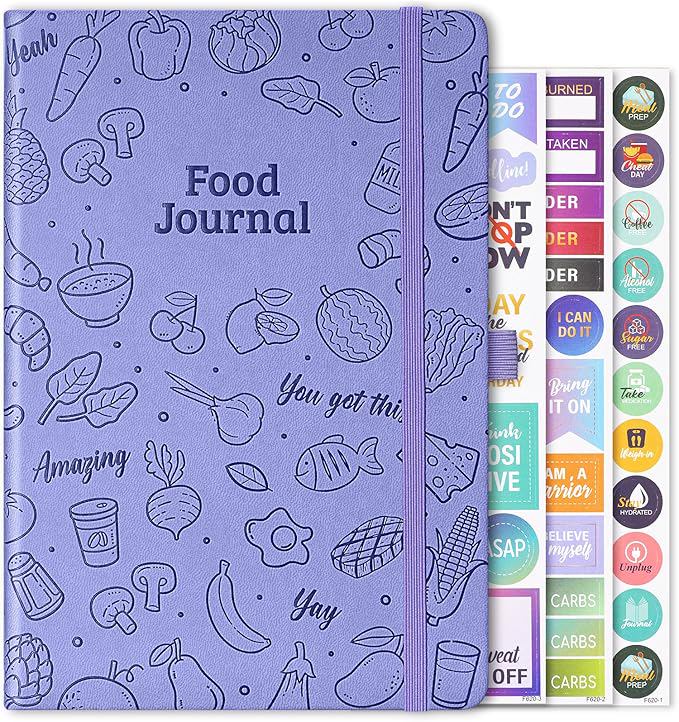
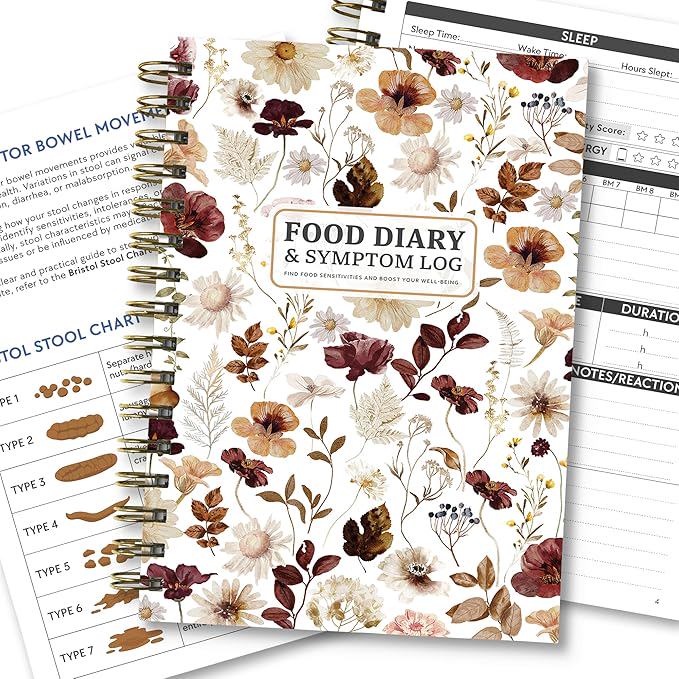
Managing food intolerances is a long-term practice—not a one-time fix. The most successful people are those who treat it as an experiment: they test, adjust, retest, and stay curious. If you're stuck, consider keeping a symptom journal that includes not only food but also stress level, meal timing, and sleep quality. Patterns will emerge that make your management plan more effective and less restrictive.
Remember, the goal is not to live in a bubble of “safe” foods. It’s to expand your range of what works, so you can eat with confidence and joy.