
Vitamin B12 is a heavyweight in the world of essential nutrients. It keeps your nerves firing properly, helps build red blood cells, and even supports DNA synthesis. Yet, many people walk around with levels that are teetering on the edge of deficiency without realizing it. While certain medical conditions can interfere with B12 absorption, the food choices you make every day play a surprisingly powerful role. Here are five common dietary mistakes that can quietly push your vitamin B12 dangerously low.
Skipping animal-based proteins too quickly
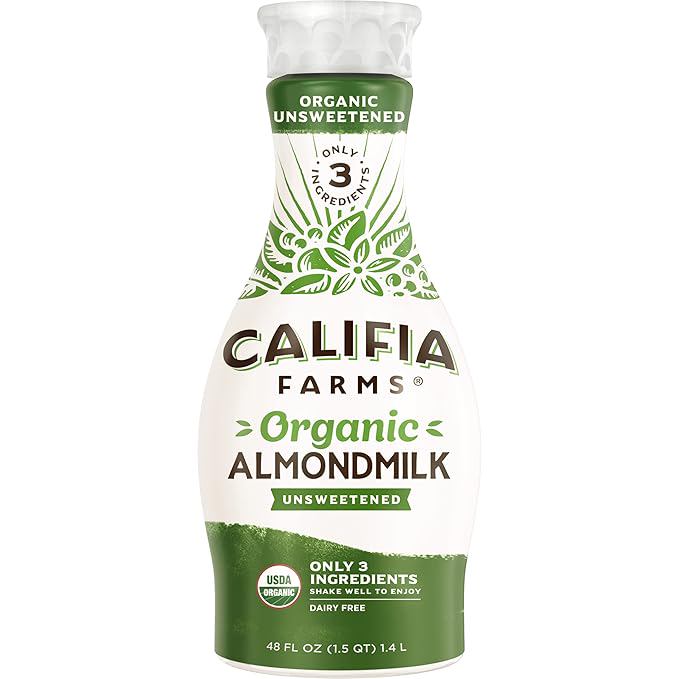
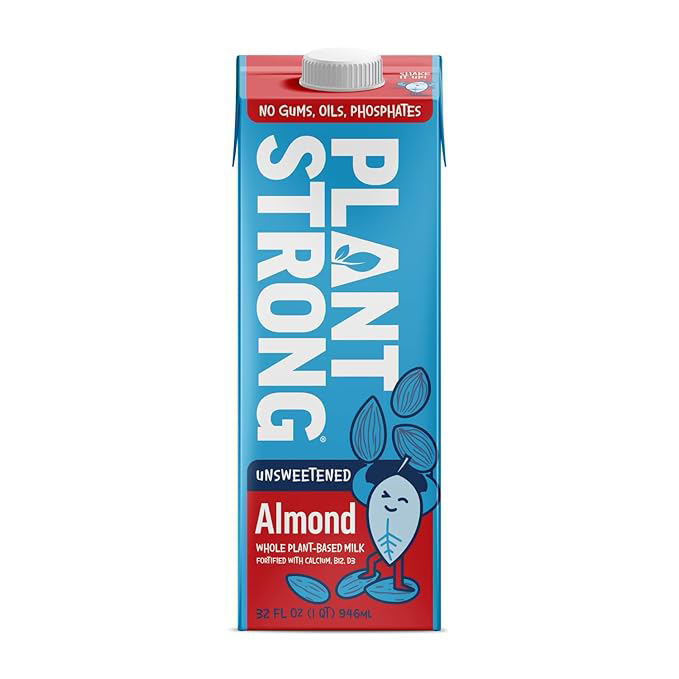
Vitamin B12 is almost exclusively found in animal products—meat, poultry, fish, eggs, and dairy. Plants don’t make B12, and no amount of spinach or beans will change that. When people shift to a vegan or vegetarian diet without a plan for sourcing B12, their intake often drops drastically overnight. The body stores some B12 in the liver, which can mask the problem for months or even years. By the time fatigue, tingling in the hands, or memory issues surface, those stores are nearly gone. If you are moving toward a plant-based diet, the key is to incorporate fortified foods—like nutritional yeast, plant milks, and breakfast cereals—or consider a supplement from the start.
Relying on healthy-but-mismatched food combos
Even when you eat B12-rich foods, how you combine them matters. Certain dietary patterns can interfere with absorption. For example, pairing eggs or fish with large amounts of coffee or strong tea close to mealtime may reduce the efficiency of intrinsic factor—the protein the stomach needs to absorb B12. Similarly, loading up on antacids for heartburn or acid reflux can lower stomach acid enough to impair the release of natural B12 from proteins. You might be eating all the right things but still coming up short because the chemistry in your gut isn't cooperating. Spacing out acidic beverages from B12-rich meals and using antacids only as needed can help preserve your absorption window.
Over-relying on raw or fermented plant foods for B12
It's a persistent myth that certain fermented or raw foods—like tempeh, spirulina, seaweed, or fermented vegetables—provide usable vitamin B12. In reality, these foods contain B12 analogues that look like the vitamin on lab tests but do not function the same way in the human body. Some of these analogues can even block the absorption of true B12 if consumed in high amounts. A diet heavy in raw plant foods and fermented items with no reliable animal or fortified source is a setup for deficiency. The only plant-based sources that deliver active B12 are those that have been intentionally fortified, not naturally occurring.
Using excessive folate without adequate B12 backup
Folate (vitamin B9) and B12 work as a team during red blood cell formation and homocysteine regulation. When someone takes high-dose folic acid supplements or eats heavily fortified grains while B12 levels are low, folate can effectively mask the anemia that would normally signal a deficiency. The classic B12 shortage symptoms—numbness, gait problems, cognitive fog—continue progressing under the radar because the blood count stays normal. This is particularly common among older adults who take B-complex supplements that favor folate, or among people who eat large amounts of fortified cereals and energy bars. If your B12 status is uncertain, it’s safer to balance any folate intake with a reliable B12 source.
Ignoring stomach health in the name of a trendy diet
Long-term restrictive diets often overlook the health of the stomach lining and the microbiome, both critical for B12 absorption. Chronic low intake of diverse fiber sources, fermented foods, and key minerals can lead to inflammation or atrophic gastritis. Once the stomach lining thins or changes, production of hydrochloric acid and intrinsic factor drops. That change alone can turn a formerly adequate diet into one that chronically fails to deliver B12 to the bloodstream. People who have followed extreme low-carb, low-calorie, or mono-meal plans for extended periods are especially at risk. Supporting gut health through varied, whole foods and periodic medical check-ups—including a serum B12 test—can catch the problem before it becomes severe.
Vitamin B12 deficiency is preventable, but it doesn’t always announce itself loudly. Paying attention to these five dietary patterns and making small, targeted adjustments—such as including fortified foods, spacing out coffee and antacids, and checking your B12 levels after any major diet change—can keep you in a safe range without much fuss.