
Prenatal yoga is a wonderful way to stay active, ease discomfort, and prepare your body for birth. But if you've ever felt a sharp twinge or a deep ache in your lower back during a pose, you're not alone. Many expecting mothers experience back pain during yoga, and while some discomfort is natural, there are specific reasons it happens—and better ways to move through it.
Let's look at five common causes of back pain in prenatal yoga and, more importantly, how to adjust your practice so you can feel strong and supported instead of sore.
1. Overarching the lower back in standing poses
During pregnancy, your center of gravity shifts forward as your belly grows. It's natural to compensate by pulling your shoulders back and arching your lower spine—especially in poses like Warrior II or Triangle. This exaggerated curve, called lordosis, can compress the small joints in your lower back and lead to pain.
How to avoid it: Instead of trying to keep your torso as upright as you did before pregnancy, allow a slight forward tilt of the pelvis. Think about lengthening your tailbone toward the floor. In standing poses, keep your abdominal muscles lightly engaged (if you can) and focus on stacking your ribs directly over your hips. A micro-bend in your knees can also reduce strain.
2. Deep hip openers that pull on the sacroiliac joint
Your body releases relaxin during pregnancy, a hormone that loosens ligaments to prepare for birth. This makes your joints, especially the sacroiliac (SI) joint at the base of your spine, more mobile. Poses like Pigeon, Frog, or wide-legged squats can sometimes overstretch the already-lax ligaments around the SI joint, leading to a sharp, localized pain on one side of the lower back or glutes.
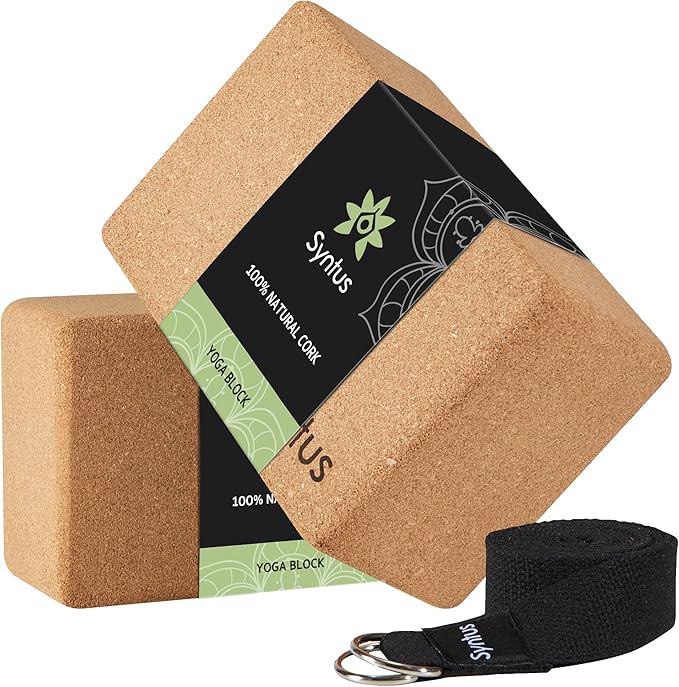
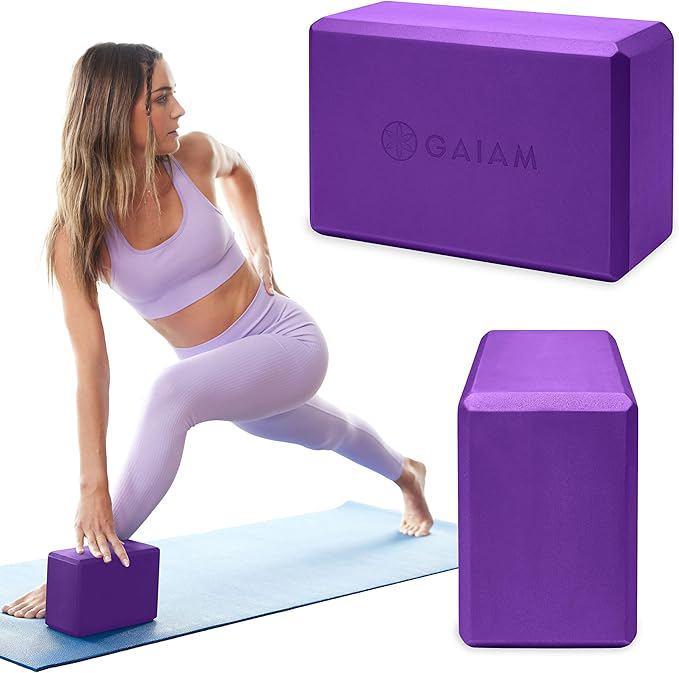
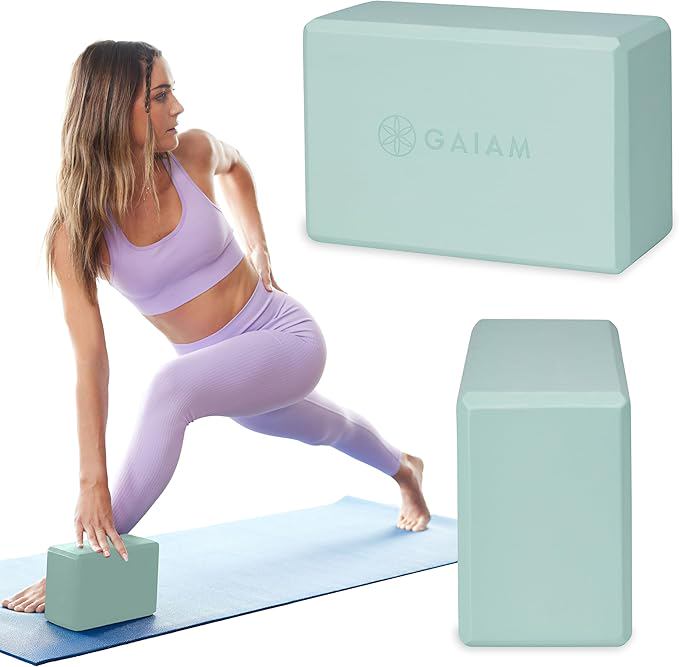
How to avoid it: Reduce the depth of hip openers. In Pigeon pose, keep your front shin closer to your pelvis instead of parallel to the front of your mat. Support your hips with a block or folded blanket. Never “sink” into a stretch—move slowly and stay within a range that feels stable, not just stretchy. If you feel a sharp pinch near your tailbone, back off immediately.
3. Weak or disengaged deep core muscles
As your belly expands, your rectus abdominis (the “six-pack” muscles) can separate—a condition called diastasis recti. This makes it harder to stabilize your spine with your deep core (transverse abdominis). Without that internal corset, your lower back muscles have to work overtime in poses like Cat-Cow, Tabletop, or gentle backbends, often leading to fatigue and pain.
How to avoid it: Focus on gentle core engagement that draws your belly in and up, like you’re zipping a snug jacket. Avoid full Crunches or deep backbends that bulge the belly forward. In Cat-Cow, move from your pelvis and mid-back rather than collapsing into your lower spine. During Tabletop, press your hands firmly into the mat and lightly draw your navel toward your spine—without holding your breath.
4. Holding tension in the glutes and hamstrings
Pregnancy often tightens the hips and hamstrings due to postural changes and increased sitting. Tight glutes and hamstrings pull on your pelvis, tilting it backward and flattening your lower back’s natural curve. This can cause a dull, aching pain during forward folds, seated stretches, or even Savasana.
How to avoid it: Warm up your legs gently before deeper stretches. Use a blanket or bolster under your sitting bones in seated forward folds to keep your pelvis tilted forward. Never bounce or force a stretch. For the glutes, try a gentle Figure-Four stretch while lying on your back, keeping your head and shoulders supported. If a hamstring stretch feels sharp or pulling at the back of your knee, ease off.
5. Poor alignment in transitional movements
It's not always the pose itself—it's how you get into and out of it. Moving too quickly, twisting from your lower back instead of your shoulders, or rounding your spine heavily while transitioning through positions like Downward Dog to Plank can strain your lumbar discs and surrounding muscles.
How to avoid it: Move with intention. When transitioning from standing to the floor, step back one foot at a time instead of jumping. Always lead twists from your upper back and keep your hips square. In Downward Dog, keep your knees slightly bent if your hamstrings are tight—this allows your lower back to stay long. Use hands-and-knees positions as a neutral starting point rather than rushing through them.
Quick tip: If any movement causes sharp, shooting, or radiating pain into your legs or buttocks, stop and rest. Talk to your healthcare provider or a prenatal yoga specialist before continuing.
Final thoughts for a safe practice
Your prenatal yoga practice should feel supportive, not painful. Listen to your body—if something doesn't feel right, modify or skip it. Props like blocks, bolsters, and blankets are your friends. And remember: the goal isn't to achieve the deepest version of a pose; it's to move in a way that nurtures both you and your baby.
By understanding these five common causes of back pain, you can practice with confidence and keep your yoga time a source of comfort and strength throughout your pregnancy.