
You roll out your mat after eight hours hunched over a keyboard. You stretch, you breathe, you move into Downward Dog. But instead of relief, your lower back tightens. Maybe a sharp pinch flares near your sacrum. If this scenario sounds familiar, you are not alone—and it isn't your imagination. Yoga is often prescribed for back pain, but some poses can aggravate a body that has been sitting still all day.
Here is the crux of the problem: desk work creates very specific muscular imbalances. Yoga, when done without adjusting for those imbalances, can inadvertently load the exact structures that are already stressed. The pain is not evidence that yoga is bad for you. It is evidence that the way you are practicing needs a small but critical shift. Let's walk through the five most common causes and what to do about each.
1. Tight hip flexors pulling on the lower back
Sitting shortens and tightens the psoas and iliacus—the deep hip flexors that attach to your lumbar spine. When you enter a pose like Warrior I or a standing forward fold, those shortened muscles yank on your vertebrae. The brain senses strain and tells the low back muscles to brace, creating a gripping sensation near the belt line.
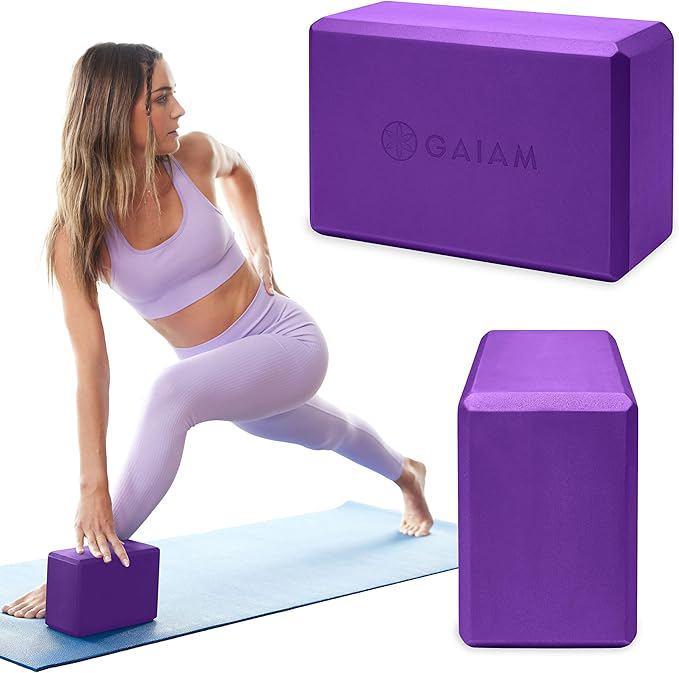
What to try instead: Before any standing pose, spend two minutes in a gentle low lunge (Anjaneyasana) with your back knee down. Keep the front knee stacked over the ankle rather than pushing it past your toes. This lengthens the psoas before you load it. Also, in forward folds, keep a micro-bend in your knees so your hamstrings and lower back don't have to take all the force.
2. Overzealous rounding in cat-cow and forward folds
Cat-Cow is meant to mobilize the spine, but desk workers often over-exaggerate the rounding (Cat phase) by pulling with their arms and collapsing through the mid-back. The same thing happens in seated forward folds (Paschimottanasana). The habit of pulling yourself into a shape rather than letting gravity do the work can strain the posterior ligaments of the lumbar spine.
A simple cue: in Cat pose, imagine pulling your belly button up toward your spine first, and let the rounding happen as a result—not as a forceful yank from your shoulders.
What to try instead: In any forward fold, lead with your chest, not your head. Keep the spine long and hinge from the hips. If you cannot touch your toes without rounding, place a block under your hands. The depth of the pose matters far less than the integrity of the curve in your lower back.
3. Weak glutes that leave the lower back to do all the work
If you sit for six or more hours a day, your gluteal muscles likely have forgotten how to fire properly. This is sometimes called gluteal amnesia. When the glutes are weak, the hamstrings and lower back muscles take over for hip extension—especially in poses like Bridge, Locust, or standing balances.
What to try instead: Before doing backbends or standing balances, activate the glutes in a simple supine bridge. Squeeze your glutes before lifting your hips, and hold the squeeze for three breaths. Repeat three times. This preps the body to use your largest muscle group instead of your small, overworked spinal erectors. If Navasana (Boat pose) hurts your low back, that is another clue that your hip flexors and lower back are compensating for a weak core-girdle and glutes.
4. Improper breathing that builds intra-abdominal pressure
Many yoga styles encourage Ujjayi breathing—a slightly constricted breath. When practiced correctly, it builds core stability. But desk workers who already hold tension in their diaphragm and ribs often over-pressurize during poses. They hold the breath, or they inhale too forcefully, which pushes the abdominal contents downward and increases load on the lumbar spine.
What to try instead: In every pose, check whether you are gripping your belly. The exhale should be soft, not forced. For one week, drop Ujjayi entirely and just breathe naturally through your nose. Focus on lengthening the lower ribs away from the pelvis on every exhale. This simple shift often erases the sharp stabbing pain that flares in twisting poses like seated spinal twist (Ardha Matsyendrasana).
5. Twisting from the wrong part of your spine
Sitting locks the hips and compresses the lumbar discs. When you twist in a seated pose or in a lunge, the natural instinct is to rotate from the hips and lower back. But if the hips are immobile from sitting, the rotation gets concentrated in one or two lumbar segments. That creates a shearing force on the discs.
What to try instead: Lift your sitting bones slightly off the floor before twisting (you can sit on a folded blanket). Initiate the twist from your upper back, not your waist. Imagine someone turning your sternum, not your belt line. In a lunge twist (Parivrtta Anjaneyasana), keep your back hip squared and your back knee grounded until you feel the twist coming from your thoracic spine.
When to modify your practice
If your back pain persists after making these adjustments, consider swapping vigorous vinyasa flow for a slower, more alignment-focused style such as Iyengar or restorative yoga for a few weeks. Avoid explosive movements like jump-throughs or drop-backs. And if a pose ever causes sharp, radiating pain down one leg—stop. That may indicate nerve involvement that needs a professional assessment.
Yoga is not broken. You are not broken. The only thing that needs to change is the gap between what your desk job demands and what your practice assumes. Bridge that gap with small, intelligent modifications, and you will find the relief you were looking for.



![Tumaz Yoga Strap/Stretch Bands [15+ Colors, 6/8/10 Feet Options] with Extra Safe Adjustable D-Ring Buckle, Durable and Comfy Delicate Texture - Best for Daily Stretching, Physical Therapy, Fitness](https://www.glowtheorylab.com/uploads/ad202604/d62cf3b7330d7d4a.webp)