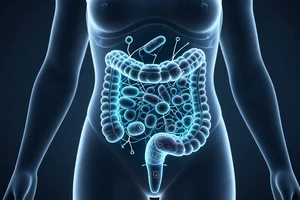

Your gut is a finely tuned ecosystem, home to trillions of bacteria that influence everything from digestion to mood. When the balance shifts—often due to stress, poor sleep, or a diet low in fermented foods—your body sends clear signals. Ignoring these cues can lead to more than just a rumbling stomach.
Probiotic-rich foods, like yogurt, kefir, sauerkraut, and kimchi, help replenish the beneficial bacteria your microbiome craves. Here are four warning signs that your gut might be asking for more of them.
1. You Feel Bloated After Almost Every Meal
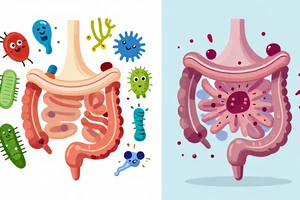
Occasional bloating is normal, especially after a large or heavy meal. But if you feel uncomfortably puffy and gassy on a regular basis—even after eating relatively clean foods—it could be a sign of dysbiosis, or an imbalance in your gut bacteria.
When the bad bacteria outnumber the good, they produce excess gas as they ferment undigested food particles. This can leave you feeling like you've swallowed a balloon. A diet rich in probiotics helps crowd out those gas-producing troublemakers and supports a smoother digestive process.
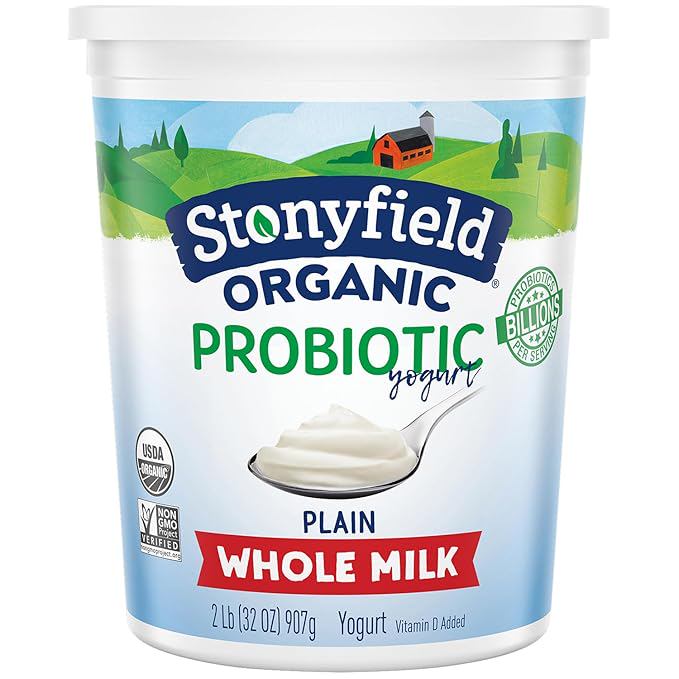
A simple check: Try adding a serving of plain yogurt or a spoonful of sauerkraut to your lunch for a week. If bloating eases, your gut was likely short on beneficial bugs.
2. Your Digestion Has Become Unpredictable
Are you bouncing between constipation and loose stools? That irregularity is another hallmark of an unhappy gut. The microbiome plays a key role in regulating bowel transit time. When good bacteria are scarce, the gut lining can become less efficient at moving waste along.
Probiotics help by producing short-chain fatty acids (SCFAs) that nourish the cells lining your colon. A healthy lining absorbs water properly and keeps things moving at a steady pace. Studies suggest that certain strains of Lactobacillus and Bifidobacterium can help normalize stool frequency and consistency.
3. You Catch Every Cold That Comes Around
It might surprise you, but about 70 to 80 percent of your immune cells live in your gut. The beneficial bacteria there train your immune system to tell friend from foe. When the microbiome is out of whack, that training can become less effective, making you more vulnerable to seasonal bugs.
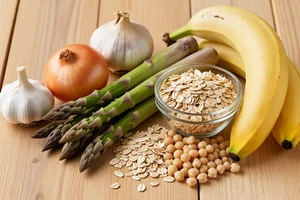
If you find yourself reaching for tissues more often than your office mates, your gut flora might need reinforcement. Probiotic-rich foods (along with prebiotic fibers like garlic, onions, and bananas) directly support the immune cells stationed in the gut lining. This isn't a magic shield against illness, but it's a foundational part of a resilient immune system.
4. You Have Unexplained Skin Irritations
Your skin and your gut are in constant communication through what scientists call the gut-skin axis. Inflammation in the gut often shows up on the skin as acne, eczema, or general redness. See your dermatologist for a diagnosis, but if you've tried topical treatments without much success, your diet may be a piece of the puzzle.
Probiotics help lower systemic inflammation by strengthening the intestinal barrier—often called 'leaky gut.' When the barrier is intact, fewer inflammatory particles escape into the bloodstream and reach the skin. While probiotic foods aren't a substitute for medical skincare, they can be a supportive step for many people.
Adding fermented foods doesn't have to mean a kitchen overhaul. Start with one serving a day—a small glass of kefir, a dollop of plain yogurt, or a few forkfuls of kimchi on the side of a meal. Increase slowly, as some people experience temporary gas as their gut adjusts. If digestive symptoms persist or are severe, always check in with a healthcare provider. These signs come from your body trying to tell you something—listening is the first step toward feeling better.