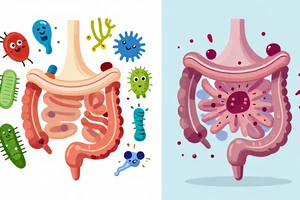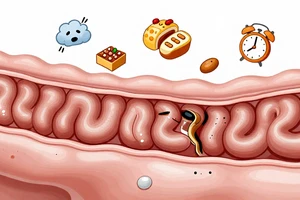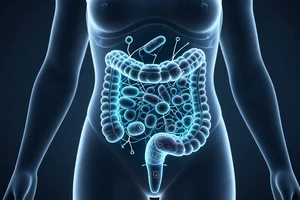

Your gut is remarkably communicative. When something you eat doesn’t sit right, it often sends signals long before a full-blown reaction occurs. Food intolerance—different from a food allergy—can silently trigger chronic, low-grade inflammation in the digestive tract. Recognizing the early warning signs is the first step toward giving your gut a break and restoring comfort.
Below are four common indicators that your food intolerance may be fueling gut inflammation. If you recognize yourself in these signs, it’s worth taking note—not panicking, but paying attention.
1. Persistent Bloating That Doesn’t Let Up
We all bloat from time to time, especially after a large meal or certain gas-producing foods. But when bloating becomes a daily companion—hanging around for hours or even into the next day—it could signal that your gut lining is inflamed. Food intolerance can slow digestion, cause fermentation of undigested particles, and trap gas. The result? A tight, distended belly that feels uncomfortable no matter what you eat.
If bloating is your new normal, your gut may be signaling that it’s struggling to process something you’re eating regularly.
2. Loose Stools or Irregular Bowel Habits
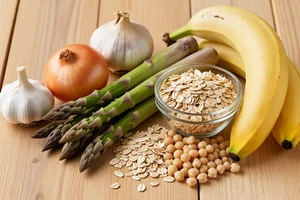
Inflammation in the gut often disrupts the delicate balance of water absorption and motility. For many people with food intolerance, this shows up as loose stools, urgency after eating, or alternating between constipation and diarrhea. Unlike a one-off stomach bug, these changes are chronic and tied to specific meals. Dairy, gluten, and high-FODMAP foods are common culprits, but other triggers vary from person to person.
3. Unexplained Fatigue and Brain Fog
Gut inflammation doesn’t stay in the gut. Through the gut-brain axis, inflammatory signals can travel to your brain, leaving you feeling mentally sluggish, forgetful, or just “off.” Many people with undiagnosed food intolerance report persistent fatigue that doesn’t improve with sleep. This is your body’s way of telling you it’s diverting energy to manage inflammation—energy that could otherwise fuel your daily life.
4. Joint Aches and Skin Issues
Inflammation is a whole-body event. When your gut lining is irritated, immune compounds can enter circulation and settle in joints, causing stiffness or achiness—especially in the morning. Similarly, skin conditions like eczema, acne, or unexplained rashes often flare alongside gut issues. If you notice that your joints or skin feel worse after certain meals, a food intolerance may be the hidden link.
What You Can Do
If these signs resonate with you, the next step isn’t to eliminate everything at once. Instead, try a targeted elimination diet with guidance from a healthcare professional. Common approach: remove one suspected trigger food (dairy, gluten, eggs, or soy) for two to four weeks, then reintroduce it and note how you feel. Keep a food and symptom journal to identify patterns.
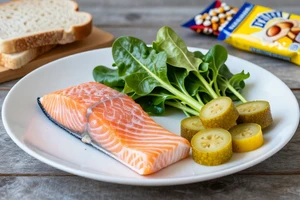
Support your gut during this process with simple habits: eat slowly, chew thoroughly, stay hydrated, and include gentle movement like walking. Anti-inflammatory foods—such as ginger, turmeric, leafy greens, and fatty fish—can help, but they work best when triggers are removed first.
Remember, food intolerance is not a life sentence. With careful observation and small changes, you can restore comfort and clarity to your gut—and your whole body.