You reach for a cookie in the afternoon. You crave something sweet after dinner. A few times a week, that feels normal. But if you find yourself hunting for sugar every day—sometimes even feeling desperate for it—your body might be trying to tell you something deeper than a sweet tooth.
Cravings are often brushed off as a lack of willpower, but the truth is more physiological. A persistent pull toward sugar can be one of the quieter signals of a nutrient shortfall. When certain vitamins or minerals run low, your body may seek quick energy from sugar because it struggles to produce steady energy on its own. Below are four signs that your sugar cravings may be rooted in a genuine nutrient need rather than a simple habit.
1. You Crave Sugar Right After Meals
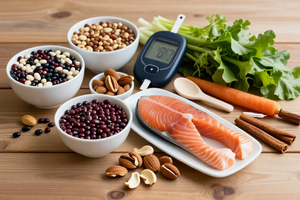
If you finish a balanced meal and still want something sweet, that may point to a chromium or magnesium shortfall. Chromium helps regulate blood sugar by improving insulin's ability to usher glucose into cells. When chromium is low, glucose can linger in the blood rather than fueling your cells, which leaves you feeling sluggish and craving a quick fix. Magnesium plays a role in glucose metabolism too; low levels can disrupt insulin function. Try incorporating chromium-rich foods like broccoli, green beans, and whole grains, plus magnesium sources such as spinach, almonds, and black beans.
2. You Feel Exhausted but Can’t Stop Craving Sweets
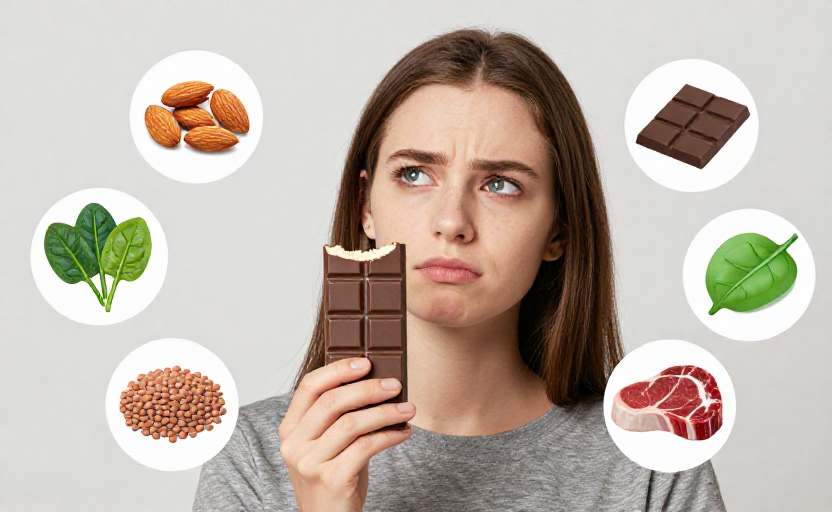
Chronic fatigue combined with sugar cravings often points to an iron deficiency. Iron is essential for transporting oxygen through your blood. Without enough iron, your cells become starved for oxygen, and your body scrambles for energy—often from sugar. This is especially common in women with heavy periods, vegetarians, and endurance athletes. Low iron can also mess with dopamine signaling, making sugar feel more rewarding than usual. If you’re craving sweets while feeling wiped out, consider adding more heme iron (found in lean red meat, poultry, fish) or plant-based iron (spinach, lentils, pumpkin seeds) paired with vitamin C to improve absorption.
3. Sweet Cravings Hit in the Late Afternoon or Evening
Daily patterns matter. That predictable 3 p.m. slump or evening sugar urge may signal a drop in the neurotransmitter serotonin, which affects mood and appetite. Your body knows that carbs and sugar help produce serotonin—so it drives you toward sweets and starches as a form of self-medication. Vitamin B6 and zinc are cofactors in serotonin synthesis; if either is low, your brain may not produce adequate serotonin. Include B6 from chickpeas, poultry, and bananas, and zinc from pumpkin seeds, cashews, and oysters.
4. You Crave Sugar Alongside Stress or Poor Sleep
Stress and sleep deprivation increase cortisol, which can deplete magnesium and B vitamins, setting off a cycle: low magnesium makes it harder to wind down, poor sleep raises cortisol further, and high cortisol fuels cravings for sugar and refined carbs. If you’re grinding through busy weeks with little rest and a rising appetite for sweets, ask whether your magnesium status is adequate. A shortfall here is common and often overlooked. Boosting magnesium through food (dark leafy greens, chocolate in moderation, nuts, seeds) may help calm the nervous system and reduce those stress-driven sugar pulls.
If a sugar craving feels urgent, frequent, or tied to low energy, poor sleep, or stress, consider it a clue—not a character flaw. Your body may be asking for more support, not more willpower.
What to Do Next
If you recognize yourself in any of these patterns, start by adjusting your meals rather than chasing supplements blindly. Add a protein source to breakfast and lunch to stabilize blood sugar. Eat more whole foods rich in magnesium, zinc, iron, and B vitamins. Stay hydrated. Prioritize sleep. If after two weeks of whole-food changes your cravings persist, talk with a healthcare provider about checking nutrient levels before starting any supplementation.
Remember: occasional dessert is not the problem. Constant cravings are your body’s way of sending a signal. Listening carefully may reveal a surprising nutrient gap—and a path toward steadier energy and fewer sugar pulls.