
If you've been walking into rooms and forgetting why, or struggling to find the right word mid-sentence, you might have blamed stress, age, or lack of sleep. But there's another, less obvious suspect that's been getting a lot of attention in the wellness world: the trillions of bacteria living in your gut.
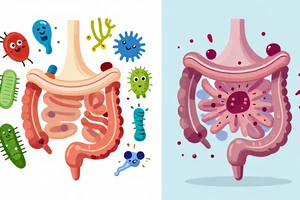
Your gut microbiome does far more than help digest food. It's a powerful communication hub that talks directly to your brain through what scientists call the gut-brain axis. When the balance of good and bad bacteria in your gut is thrown off—a condition known as dysbiosis—that communication line can get noisy. The result? That persistent, foggy mental haze.
Here are four specific signs that your gut bacteria imbalance might be the root cause of your brain fog—and what you can do about it.
1. You notice a pattern between digestive upset and cloudy thinking
One of the clearest clues that your brain fog is linked to your gut is timing. Do your mental symptoms tend to flare up alongside digestive issues like bloating, gas, constipation, or diarrhea?
This isn't a coincidence. When your gut lining becomes irritated or inflamed due to an overgrowth of less-friendly bacteria, it triggers an immune response that releases inflammatory compounds. These compounds don't just stay in your belly—they can travel through your bloodstream and cross the blood-brain barrier, causing what researchers now call “neuroinflammation.” Inflammation in the brain is a known contributor to sluggish thinking, poor memory, and difficulty concentrating.
Symptoms that tend to appear together may include:
- Feeling "spacey" after a heavy or processed meal
- Bloating followed by afternoon mental fatigue
- Changes in stool frequency or consistency coinciding with a hazy mind
If your brain fog almost always shows up with a gurgly, uncomfortable stomach, it's worth looking at your microbiome as a starting point.
2. You're unusually tired during the day—but wired at night
Sleep troubles and brain fog often go hand in hand, but the direction of the relationship matters. If you're getting a reasonable number of hours but still wake up feeling unrefreshed, your gut could be interfering with your sleep architecture.
Your gut bacteria help produce and regulate key neurotransmitters like serotonin, melatonin, and GABA. Serotonin, for instance, is a precursor to melatonin—the hormone that controls your sleep-wake cycle. An estimated 90% of your body's serotonin is made in your gut. When your microbiome is out of balance, that production line can stall.
People with dysbiosis often report a frustrating pattern: they feel exhausted and mentally slow during the day, only to find themselves unexpectedly alert and restless when it's time to sleep. This day-night reversal is a hallmark of disrupted circadian signaling, which can be driven by an unhappy gut.
If your brain fog is accompanied by poor sleep quality (especially trouble falling asleep or waking frequently at night), it's worth examining whether gut health is part of the equation.
3. You crave sugar and refined carbs on repeat
This is a sneaky one. An overgrowth of certain bacteria and yeast—particularly species like Candida and some strains of Firmicutes—can actually create cravings for the foods they thrive on: sugar and simple carbohydrates.
These microbes send signals to your brain via the vagus nerve, encouraging you to eat more of what feeds them. In turn, a high-sugar diet further fuels their growth, leading to a vicious cycle that leaves you feeling foggy and depleted.
Signs this might be happening to you:
- You feel sharp hunger for something sweet soon after a meal
- Your appetite feels out of your control, especially around processed snacks
- Brain fog is worst after a high-sugar meal or snack
The same inflammatory cascade triggered by an imbalanced gut is amplified by sugar. The quick spike in blood sugar—and the subsequent crash—directly impacts your brain's ability to focus and think clearly.
4. Your mood has taken a noticeable dip
Brain fog doesn't always feel purely cognitive. Sometimes it shows up as a low, heavy mood or a lack of motivation that's hard to shake. Depression and anxiety are now widely associated with gut health imbalances, and the mechanism is the same: inflammation and neurotransmitter dysregulation.
When your gut bacteria are out of balance, your body may produce fewer feel-good neurotransmitters like serotonin and dopamine. At the same time, the immune system releases cytokines—small proteins that can induce feelings of lethargy, social withdrawal, and helplessness. This is sometimes called “sickness behavior,” and it's a pattern that mirrors the mental fog many people describe.
A gut-driven mood shift often feels different from a purely emotional one. You might notice that your thinking feels slow and sticky, not just sad or anxious. If your mental clarity has declined alongside changes in your mood or emotional resilience, your microbiome could be involved.
A quick gut check: If you're nodding along to two or more of these signs, it's reasonable to explore gut health as a contributor. The good news is that unlike some causes of brain fog, an imbalanced microbiome is often modifiable with diet and lifestyle changes.
What to do next: simple steps to support your gut-brain connection
If any of these signs resonate, you don't need a dramatic overhaul. Small, consistent changes can help restore balance and, in time, lift the fog.
Prioritize fiber-rich foods. Your good bacteria feed on fiber—especially from vegetables, fruits, legumes, and whole grains. Aim to include a variety of plant foods each week to encourage microbial diversity.
Add fermented foods. Live-culture foods like yogurt, kefir, sauerkraut, kimchi, and miso introduce beneficial bacteria that can help crowd out less-friendly species.
Cut back on added sugar and processed foods. This is one of the most effective ways to reduce the population of sugar-hungry microbes. Even a few days of a low-sugar diet can start to shift the balance.
Manage stress and prioritize sleep. Chronic stress and poor sleep are major disruptors of the gut microbiome. Even something as simple as a 10-minute walk after dinner or a consistent bedtime can support a healthier bacterial community.
Stay hydrated. Water supports the gut lining and helps maintain regular bowel movements, which are essential for clearing out waste and keeping the microbiome well-balanced.
Your gut and brain are in constant conversation. When your microbiome is out of balance, it can show up in ways that feel purely mental—like brain fog, fatigue, and moodiness. The four signs above can help you connect the dots and take meaningful steps toward clearer thinking and better overall health.
If your symptoms are persistent or severe, it's always wise to speak with a healthcare provider who can help rule out other causes and guide you toward personalized strategies.