If you've ever felt puffy after a salty meal or wondered why your hands and feet swell after a night out, you already know that sodium balance matters. But the good news is that you don't need to rely on complicated diets or supplements to get your levels back on track. The simplest solution is often just water—and the foods that naturally contain it. Here are four hydrating foods that can help your body manage sodium without making you feel deprived.
How Hydration Supports Sodium Balance
Before we dive into the list, it helps to understand the relationship between water and sodium. When you eat more salt than your body needs, your kidneys hold onto water to dilute the excess sodium in your blood. This is why you can feel bloated or see swelling in your fingers, ankles, or face after a high-sodium meal. Eating foods that are rich in water (and often in potassium) helps your kidneys flush out the extra sodium more efficiently. It's not magic—it's just good biology.
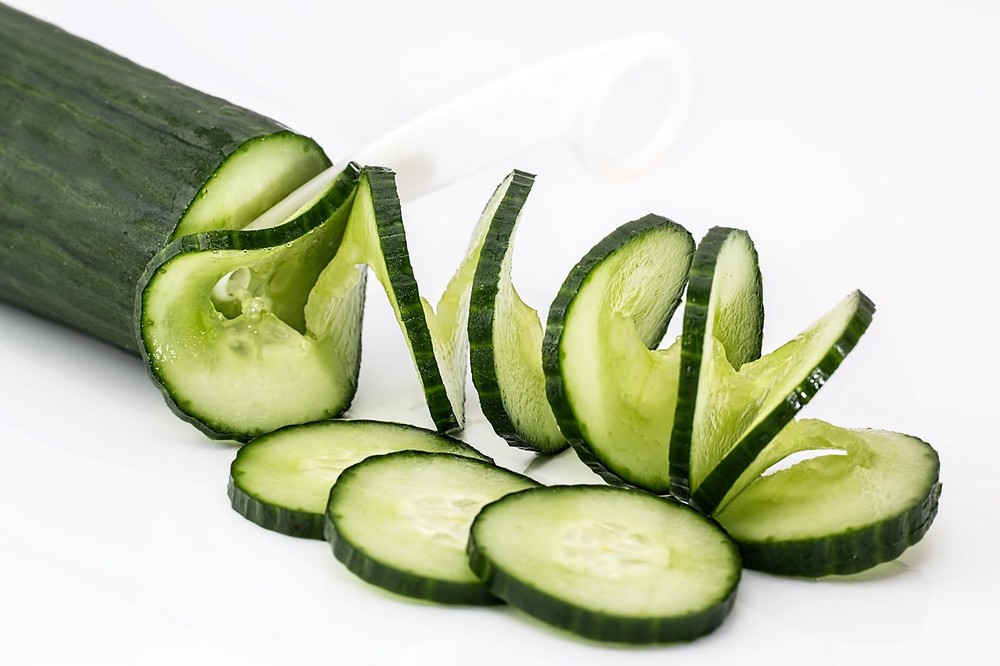
1. Cucumbers
Cucumbers are about 95% water, making them one of the most hydrating foods you can eat. A cup of sliced cucumber delivers a small but meaningful amount of potassium, which works alongside sodium to regulate fluid balance in your cells. Potassium nudges your kidneys to excrete sodium, helping to ease bloating and bring your system back to equilibrium. You can add cucumber slices to your water, toss them into salads, or eat them plain as a crisp snack.
2. Celery
Celery is another water-dense vegetable—around 95% water by weight. While it does contain a trace amount of natural sodium, its potassium content outweighs the effect. Celery also contains phytonutrients that act as mild diuretics, meaning they encourage your body to release water. This can help reduce water retention without depleting essential minerals. For a quick fix, try snacking on fresh celery sticks or blending them into a green juice with cucumber and lemon.
3. Watermelon
Watermelon lives up to its name: it's roughly 92% water. It's also a standout source of the electrolyte magnesium and the antioxidant lycopene. The natural sugars in watermelon make it a hydrating alternative to sugary drinks, which can actually worsen dehydration. After a salty meal, a bowl of watermelon can help restore fluid levels and support your kidneys as they filter out excess sodium. Try it chilled with a squeeze of lime for an extra boost of flavor and vitamin C.
4. Leafy Greens (Spinach, Lettuce, and Kale)
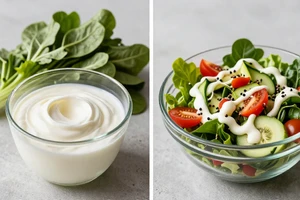
Leafy greens like spinach, romaine, and kale are packed with water and potassium. A single cup of raw spinach contains about 167 mg of potassium and only 24 mg of sodium. When you eat a generous salad or add greens to a smoothie, you're flooding your system with fluids and minerals that promote a healthy sodium-potassium balance. These greens are also rich in fiber, which supports digestion and helps your body process nutrients more efficiently. To get the most benefit, eat them raw or lightly steamed—overcooking can leach out some of the water content.
Simple tip: Pair one of these hydrating foods with a glass of water after a high-sodium meal to help your kidneys do their job faster.
Sodium Balance Beyond Food: What Else Helps?
Eating hydrating foods is a great start, but a few other habits can support your efforts. Staying physically active helps your body regulate fluid levels by improving circulation and kidney function. Getting enough sleep also matters—your body uses rest to balance hormones that influence thirst and fluid retention. And of course, reducing processed foods (which are often loaded with hidden sodium) will give your system less work to do in the first place.
If you're concerned about chronic high blood pressure or a medical condition that requires strict sodium control, talk to your healthcare provider. For most people though, adding more water-rich fruits and vegetables to your day is a simple, safe way to support your body's natural ability to keep sodium in check.