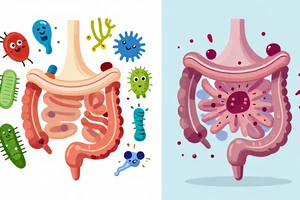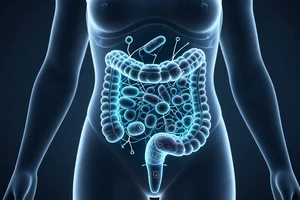

Adding fermented foods like yogurt, kimchi, or kefir to your diet is a solid step toward a happier gut. But here’s the nuance: probiotics need the right support to actually thrive in your digestive system. Simply eating a spoonful of sauerkraut isn't a guarantee that those beneficial bacteria will make it past your stomach acid and settle in your colon.
What you pair with your probiotic-rich meal matters more than most people realize. Certain foods act as “prebiotics”—non-digestible fibers that feed and nourish the good bacteria already living in your gut. When you combine probiotics with prebiotics, you create a powerful synergy often called the microbiome boost. Below are four foods that, when eaten alongside fermented meals, give your gut bacteria the fuel they need to grow and multiply.
1. Cooked and Cooled Potatoes or Rice
If you’ve ever heard that leftover rice or potatoes are healthier than freshly cooked ones, that’s because cooling starchy foods changes their structure. The process creates resistant starch, a type of carbohydrate that resists digestion in the small intestine and reaches the colon intact, where gut bacteria ferment it. This makes it a prime prebiotic. For example, a bowl of Greek yogurt (probiotic) topped with a few tablespoons of cold, cooked potato cubes or leftover brown rice becomes a targeted fuel source for your microbiome. The key is to let the starch cool completely after cooking—the resistant starch effect diminishes significantly if you reheat it back to piping hot. You can enjoy potato salad or a cold rice grain bowl alongside your fermented vegetables or yogurt for a simple gut-friendly pairing.
2. Bananas (Especially Slightly Green)
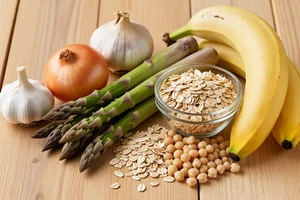
Bananas are one of the most accessible and well-studied prebiotic foods, largely due to their high pectin content. Pectin is a soluble fiber that stays intact through the stomach and small intestine, arriving in the colon ready for fermentation by probiotics like Bifidobacterium and Lactobacillus. Ripe yellow bananas are good, but slightly green or under-ripe bananas actually contain more resistant starch (similar to the cooked-and-cooled potato effect) plus pectin. The beauty here is convenience: slice a firm banana over a bowl of kefir or stir it into yogurt. The natural sweetness also helps balance the tartness of many fermented foods, making this pairing both palate-friendly and functionally beneficial.
3. Oats (Soaked or Cooked)
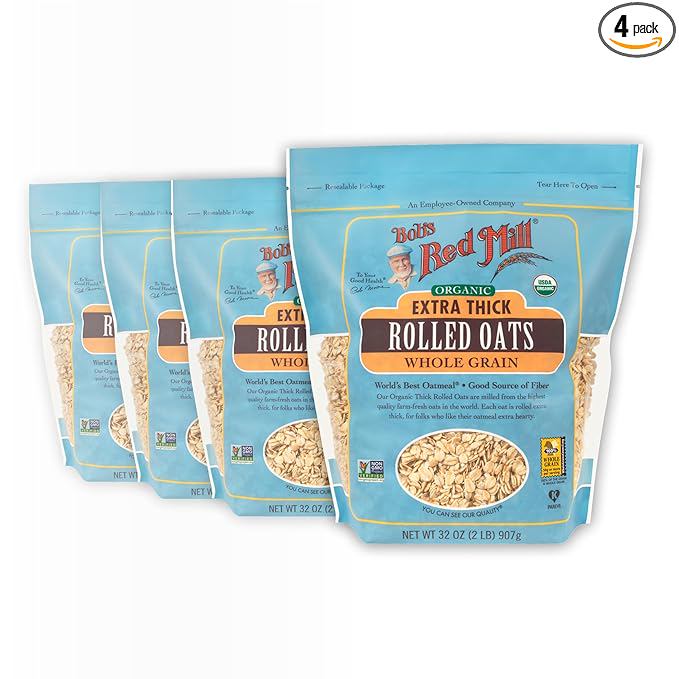
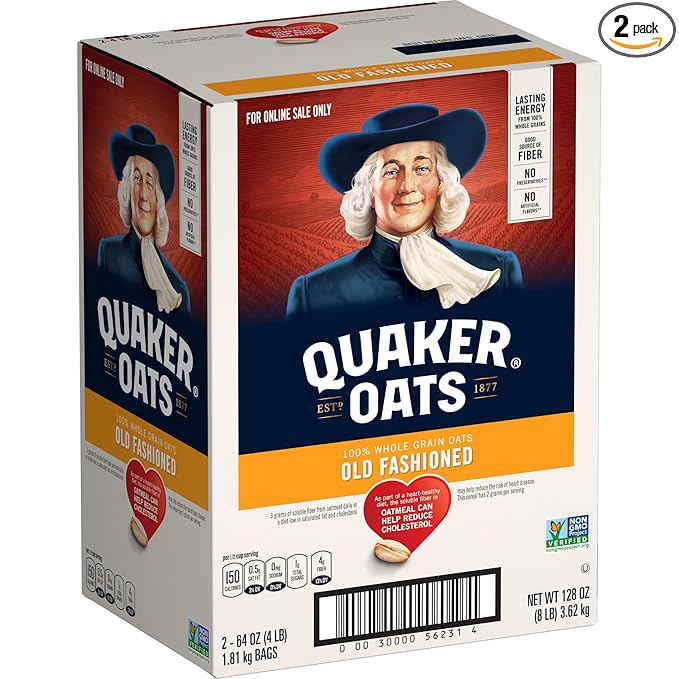
Oats contain a specific type of soluble fiber called beta-glucan. While beta-glucan is famous for its heart-health benefits (lowering LDL cholesterol), it also acts as a prebiotic by stimulating the growth of probiotic bacteria in the gut. The beta-glucan in oats forms a gel-like consistency when cooked, and this gel helps probiotics survive the harsh acidic environment of the stomach for longer, giving them a better chance of reaching the colon alive. For the best gut boost, avoid instant or highly processed oat packets with added sugar. Instead, opt for steel-cut or rolled oats, and soak them overnight or cook them with water or milk. Pair them with a side of sauerkraut, kimchi, or a probiotic drink like kombucha for a breakfast or snack that works in your body’s favor. You can also stir a few spoonfuls of yogurt directly into warm oatmeal (let it cool a little first to avoid killing the live cultures).
4. Garlic and Onions (Raw or Lightly Cooked)
Garlic and onions belong to the allium family, and they’re packed with inulin and fructooligosaccharides (FOS)—both prebiotic fibers that specifically feed beneficial Bifidobacteria. Inulin acts as a sort of fertilizer for your microbiome, encouraging the growth of these health-promoting strains while helping to crowd out less friendly bacteria. The catch? These foods are most effective raw or only very lightly cooked. Overcooking or roasting breaks down the inulin structure, reducing its prebiotic potency. Finely dice raw garlic or onion and toss them into a salad that contains fermented vegetables, or blend a small clove of garlic into a yogurt-based dip. Start with small amounts if you're not used to raw alliums—the potent compounds can sometimes cause gas or bloating until your gut adjusts. A simple tzatziki (yogurt, cucumber, raw garlic) is a classic example of this probiotic-prebiotic combination at work.
Putting It All Together: A Gut-Friendly Plate
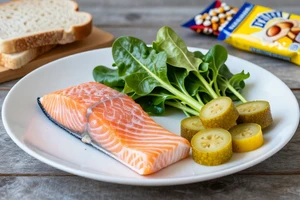
You don’t need to overhaul your entire diet to support your gut microbiome. The smartest approach is to simply add one of these paired foods to an already existing probiotic-rich meal. Try a quick grain bowl with leftover cold rice (resistant starch), sauerkraut (probiotic), and a side of raw chopped onion (prebiotic). Or, for a breakfast approach, blend kefir (probiotic), a slightly green banana (prebiotic pectin), and a spoonful of oats (beta-glucan) into a smoothie. The idea is to think in layers—not just eating a fermented food, but giving those bacteria something to eat once they arrive. Over time, this consistent pairing supports a more diverse and resilient gut ecosystem, which is closely linked to digestion, immune function, and even mood regulation.
Tip: Variety matters as much as quantity. Rotating different prebiotic sources (resistant starches, pectin, beta-glucan, and inulin) feeds different strains of bacteria, promoting broader diversity in your gut microbiome.