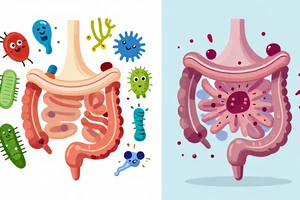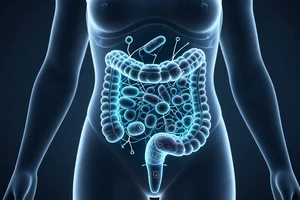
When your digestion feels off or your immune system could use some backup, the answer might already be in your kitchen—or in the refrigerated section of your grocery store. Fermented foods have been part of traditional diets for centuries, but modern research is now catching up to what our ancestors seemed to know intuitively: the microbes that live in fermented foods can help support a healthier gut, and a healthier gut often means a more resilient immune system.
But with so many options on the market (kombucha, sauerkraut, kimchi, kefir, and more), it helps to know which ones actually deliver results. We asked registered dietitians to name the four fermented foods they recommend most often for better digestion and immune support. Here are their picks.
1. Sauerkraut: The Cabbage Cure-All
Sauerkraut is simply fermented cabbage, but its benefits go far beyond its humble ingredients. When cabbage is salted and left to ferment, Lactobacillus bacteria naturally present on the leaves begin to multiply, producing lactic acid. This process not only preserves the cabbage but also creates a rich source of probiotics.
Why dietitians like it: A small serving—just two tablespoons—can provide a noticeable probiotic boost. Look for unpasteurized sauerkraut (usually found in the refrigerated section), because pasteurization kills the live bacteria. To maximize the benefits, avoid varieties made with added vinegar, which suggests the fermentation didn’t create the acidic environment on its own.
Dietitian tip: Use sauerkraut as a tangy topping for grain bowls, eggs, or sandwiches instead of a cold side dish. The heat from the food won't kill the probiotics as long as you add it after cooking.
Is store-bought worth it?
Yes, but read the label. You want a product that lists just cabbage, salt, and water. Many mass-produced brands are pasteurized for longer shelf life, which removes the probiotic benefit. When in doubt, check the fine print for phrases like "raw," "live cultures," or "unpasteurized."
2. Kefir: A Fermented Milk Drink That Goes Beyond Yogurt
Kefir is a cultured dairy product made by adding kefir grains (a combination of bacteria and yeast) to milk. The fermentation process creates a tangy, slightly effervescent drink that contains a wider variety of bacterial and yeast strains than yogurt.
Why dietitians like it: Kefir is one of the most potent probiotic sources you can find. It’s also often better tolerated than milk by people with lactose intolerance, because the fermentation breaks down most of the lactose. Studies suggest kefir may help improve digestion, reduce inflammation, and even support the body’s natural immune defenses.
For people who don't consume dairy, water kefir is a non-dairy alternative made from sugar water or coconut water, though its probiotic concentration is typically lower than dairy kefir.
Dietitian tip: Drink a small glass (4-6 oz) daily as a snack or breakfast base. Use it in smoothies or pour it over oats for a fermented twist on overnight oats.
3. Kimchi: The Spicy Gut Boost
Kimchi, the Korean staple of fermented vegetables (most commonly napa cabbage and daikon radish), is packed with flavor and probiotics. The heat from gochugaru (Korean chili flakes) and the pungency from garlic and ginger add antioxidant and anti-inflammatory benefits alongside the live cultures.
Why dietitians like it: Kimchi offers more than just probiotics. The garlic and ginger are known for their antimicrobial and immune-modulating properties. Fermentation also increases the bioavailability of certain nutrients, such as vitamins B and C. A small serving with meals can help with digestion and may reduce bloating.
How spicy is it?
The spice level varies widely. Some kimchi is mild, while others have a serious kick. If you’re new to fermented foods, start with a mild variety to let your gut adjust. Too much too quickly can cause temporary bloating or gas as your microbiome adapts.
4. Yogurt: The Original Probiotic Food
Yogurt is perhaps the most familiar fermented food on the list, but not all yogurt is created equal. The fermentation process—bacteria converting lactose into lactic acid—gives yogurt its characteristic tartness and creamy texture.
Why dietitians like it: Plain, unsweetened yogurt with live active cultures (such as Lactobacillus bulgaricus and Streptococcus thermophilus) is a reliable source of probiotics. Look for the "Live & Active Cultures" seal from the National Yogurt Association, which guarantees a minimum amount of bacteria at the time of manufacture.
Avoid the sugar trap: Many flavored yogurts contain as much sugar as dessert, which can negate some benefits by feeding less desirable gut bacteria. The best advice: buy plain yogurt and add your own fruit, a drizzle of honey, or a sprinkle of cinnamon.
Dietitian tip: Greek yogurt is especially good because it’s strained, meaning it’s higher in protein. The extra protein can help with satiety and steady blood sugar.
How to Start Adding Fermented Foods
Introducing fermented foods to your diet doesn’t require a complete overhaul. Here are some practical, dietitian-approved ways to start:
- Start small. Begin with one tablespoon of sauerkraut or kimchi per day. Give your gut a week or two to adjust before increasing the amount.
- Mix it up. Rotate your fermented foods. Different strains of bacteria offer different benefits.
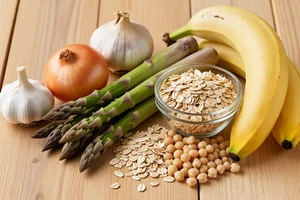
- Pair with prebiotics. Foods like bananas, oats, garlic, and onions contain prebiotic fibers that feed the good bacteria you’re consuming.
- Watch for added sugar and sodium. Many packaged fermented foods are high in salt (for preservation) or sugar. Read labels to keep intake in check.
If you have a compromised immune system, are pregnant, or have digestive conditions like IBS or SIBO, talk to a healthcare professional before adding large amounts of fermented foods. While these foods are generally safe for most people, a gradual approach is the smartest way to give your gut—and your immune system—a gentle, effective boost.