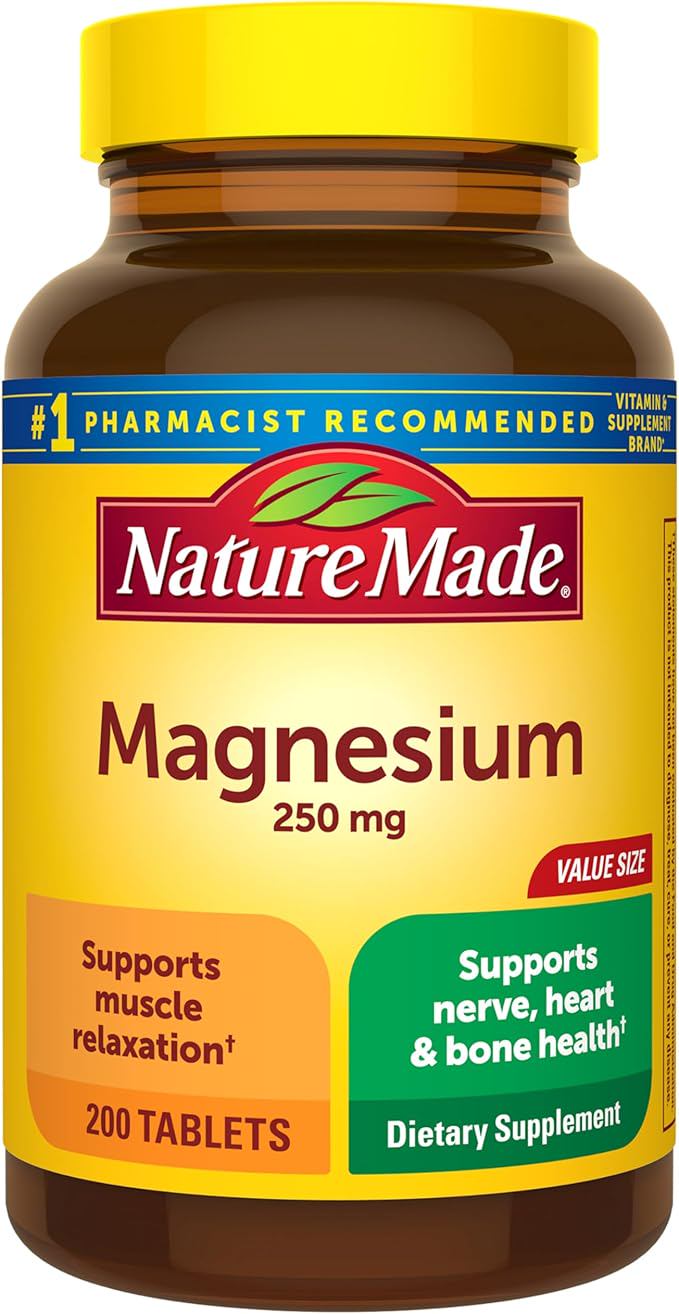

You take your supplements faithfully every morning—maybe a multivitamin, magnesium, or vitamin D. But if you aren't seeing the results you expected, the problem might not be the supplement itself. It could be what you're eating alongside it.
Certain dietary habits can interfere with how well your body absorbs and uses nutrients, effectively making your supplement routine far less effective. Here are four common mistakes to watch for.
1. Eating too little fat with fat-soluble vitamins
Vitamins A, D, E, and K are fat-soluble, meaning they need dietary fat to be properly absorbed. If you take these supplements with a fat-free meal—skim milk and dry toast, for example—your body will likely pass most of those nutrients right through without using them.
Add a small amount of healthy fat to your meal when taking these vitamins. A tablespoon of olive oil on your salad, a few slices of avocado, or even a handful of almonds can make a significant difference.
A simple addition of healthy fat can double or triple the absorption of fat-soluble vitamins.
2. Pairing iron supplements with calcium-rich foods or coffee
Iron absorption is notoriously finicky. Calcium competes with iron for absorption in the intestines, so taking your iron supplement with a glass of milk or a calcium-rich meal reduces how much iron actually enters your bloodstream. Similarly, the tannins in coffee and tea can bind to iron and inhibit its uptake.
For best results, take iron supplements on an empty stomach or with a small glass of orange juice (vitamin C boosts absorption) and wait at least one hour before consuming dairy or coffee.
3. Taking high-fiber supplements or foods too close to other supplements
Fiber is excellent for digestion and heart health, but it can also bind to minerals like zinc, magnesium, and calcium, sweeping them out of your body before they are absorbed. If you take a fiber supplement—like psyllium husk—alongside your mineral supplements, you may be reducing their effectiveness.
Space fiber intake and mineral supplements at least two hours apart. If you have a high-fiber diet naturally, the effect is generally less dramatic, but timing still matters.
4. Relying on supplements to compensate for an unbalanced diet
Supplements are exactly that—supplementary. They are designed to fill small gaps in an otherwise balanced diet, not to replace whole food groups. A common mistake is believing that a multivitamin can offset poor eating patterns.
Whole foods provide compounds—like phytochemicals, enzymes, and synergistic nutrient combinations—that isolated supplements cannot replicate. No supplement routine can undo the effects of a consistently unbalanced diet.
Quick tips to get more from your supplements
- Take fat-soluble vitamins with a meal containing some fat.
- Separate iron from calcium and coffee by at least one hour.
- Space fiber and mineral supplements by two hours.
- Consider a meal-timing schedule to avoid competing nutrients.
Making small adjustments to your daily routine can dramatically improve how well your body uses the supplements you already take.