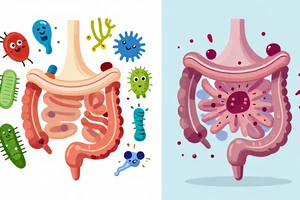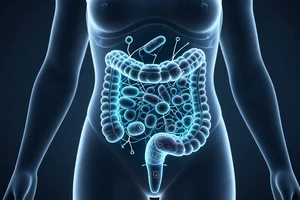

You hear a lot about feeding your gut these days, but what about the flip side? It turns out that some of the most ordinary things we do every single day may actually be starving the trillions of bacteria living in our digestive tract. When those microbes don't get the fuel they need, they can't produce the short-chain fatty acids and other compounds that support your immune system, mood, and digestion.
Here's the good news: once you spot these sneaky gut-draining habits, you can turn them around with some very simple additions to your plate. Let's walk through the four daily patterns that may be quietly depleting your gut microbiome — and the one thing you can do to reverse the trend.
1. Relying on a narrow rotation of foods
If your weekly menu looks the same across breakfast, lunch, and dinner, your gut bacteria are probably on a very boring diet. Different microbes thrive on different types of plant fibers. When you eat the same three vegetables and one grain all week, you're only feeding a small fraction of your microbial community. The rest essentially go hungry.
The fix is surprisingly easy. Instead of overhauling your entire kitchen, aim to add just one new plant-based food per day. That could mean tossing a handful of frozen edamame into your stir-fry, swapping white rice for quinoa one night, or slicing a kiwi over your morning yogurt. The goal is variety, not perfection. Even small shifts in fiber diversity can encourage a more resilient and diverse microbiome.
2. Drinking chlorinated tap water without a second thought
This one catches a lot of people off guard. Municipal water systems add chlorine to kill harmful pathogens — and it does a great job at that. But chlorine doesn't discriminate. It can also reduce the population of beneficial bacteria in your gut, especially if you're drinking several glasses of tap water throughout the day.
You don't need to stop drinking water. Instead, consider using a simple activated-carbon filter pitcher or a faucet-mounted filter. These are inexpensive and effectively reduce chlorine levels while leaving beneficial minerals in the water. If you're out and about, let a glass of tap water sit uncovered for a few minutes before drinking — chlorine dissipates quickly when exposed to air.
A quick note: We're not saying tap water is unsafe. It's essential. Just that the chlorine in it can have a mild antimicrobial effect on your gut bacteria over time.
3. Using antibacterial hand soap and household cleaners excessively
Here's a habit that seems healthy on the surface but may backfire in the long run. Antibacterial soaps and cleaning products often contain triclosan or other compounds designed to kill microbes. When those chemicals make contact with your hands — and inevitably transfer to your mouth, food, or surfaces you eat from — they can reach your gut and suppress beneficial bacteria.
The safer move is to switch to plain soap and water for handwashing. Studies show it's just as effective at removing harmful germs for everyday use, without the broad-spectrum antimicrobial action. For household cleaning, look for alcohol-based sprays or simple vinegar solutions unless you're dealing with a specific outbreak like norovirus. Your microbiome will thank you.
4. Snacking on highly refined, low-fiber convenience foods
Gut bacteria need dietary fiber to produce energy. But many of the most popular snacks — crackers, chips, white-flour pretzels, sugary granola bars — are designed to have a very long shelf life and very little intact fiber. When these foods make up a regular part of your diet, your microbes are basically eating cardboard. They don't have the raw material they need to thrive, so their population shrinks and their diversity drops.
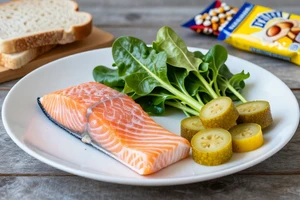
You don't have to banish snacks. Just trade up. Replace one low-fiber snack per day with something that contains a whole-food source of prebiotic fiber. Think a pear with the skin on, a small handful of almonds, baby carrots with hummus, or a few dates. These small swaps provide the fermentable fibers that encourage the growth of Bifidobacteria and Lactobacillus — two of the most studied beneficial strains.
How to add prebiotics without overcomplicating your day
Now that you know what to dial back, here's the cornerstone habit you can build immediately: adding prebiotic-rich foods to your existing meals. Prebiotics are specific types of fiber that human enzymes cannot digest. They pass through the small intestine intact and arrive in the colon ready to be fermented by your gut bacteria. This fermentation process is exactly what feeds your microbes and helps them flourish.
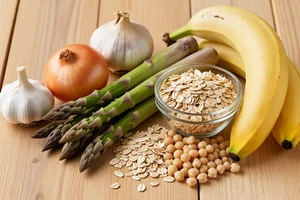
Here are four of the easiest, most accessible prebiotic foods you can start using today:
- Garlic and onions. Add them to almost any savory dish — soups, stews, roasted vegetables, stir-fries, even salad dressings. They provide inulin and fructooligosaccharides (FOS).
- Bananas (slightly green). A slightly underripe banana has more resistant starch, a powerful prebiotic. Slice it onto oatmeal or eat it as a snack.
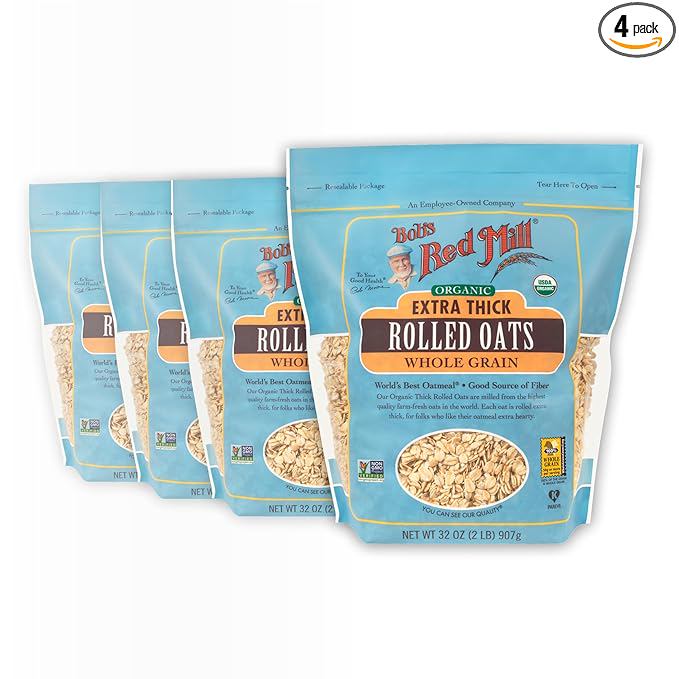
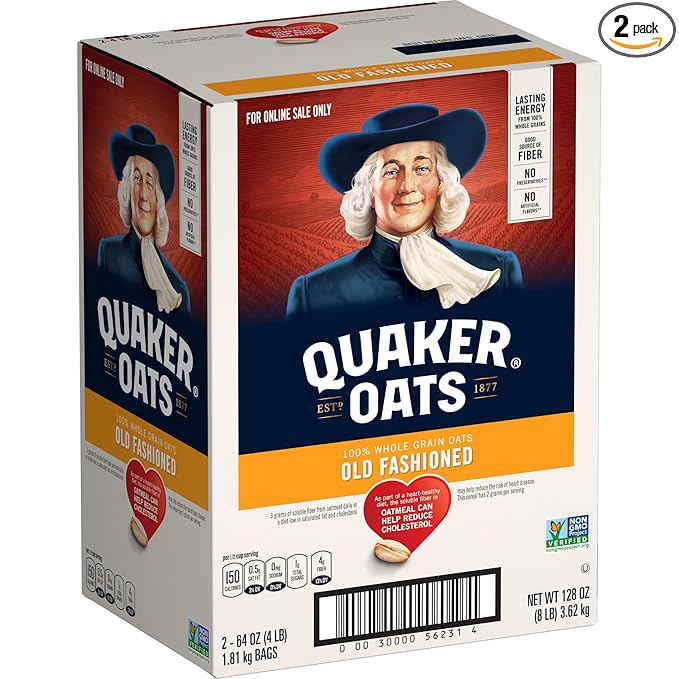
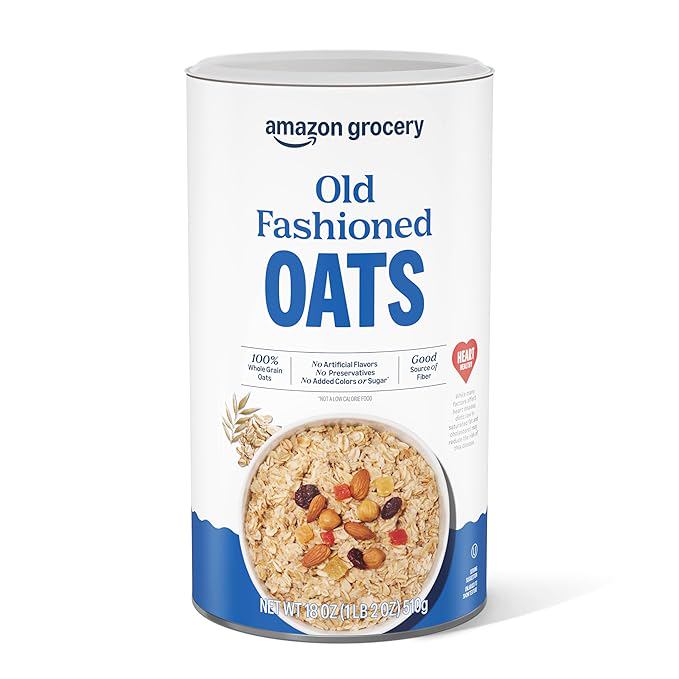
- Oats. Rolled oats or steel-cut oats contain beta-glucan, a type of soluble fiber that feeds good bacteria and supports gut barrier function.
- Jerusalem artichokes and chicory root. These are prebiotic powerhouses. You can roast sunchokes like potatoes or drink chicory root coffee as a caffeine-free alternative.
Aim to include at least one of these foods in a meal per day. You don't need a spoonful of psyllium husk or an expensive supplement — whole foods work beautifully and deliver a broader range of fiber types.
What about timing and amount?
Go slow. If you're not used to eating a lot of fiber, a sudden increase can cause gas and bloating. Start with one serving of a prebiotic food per day for the first week, then add another serving the second week. Drink plenty of water throughout the day, as fiber pulls water into your colon. Your gut bacteria will gradually adjust, and you'll likely notice less discomfort and more regularity.
It's also worth noting that prebiotic fiber works best when you are also eating a variety of colorful vegetables and fruits. Diversity is the master key for a healthy gut microbiota. So while prebiotics are a specific target, don't forget the big picture: a wide assortment of plant foods provides the greatest benefit.
By dropping these four daily habits and replacing them with a single, simple prebiotic-boosting strategy, you're giving your gut bacteria the environment they need to thrive — and they'll reward you with better digestion, steadier energy, and stronger immune function over time.