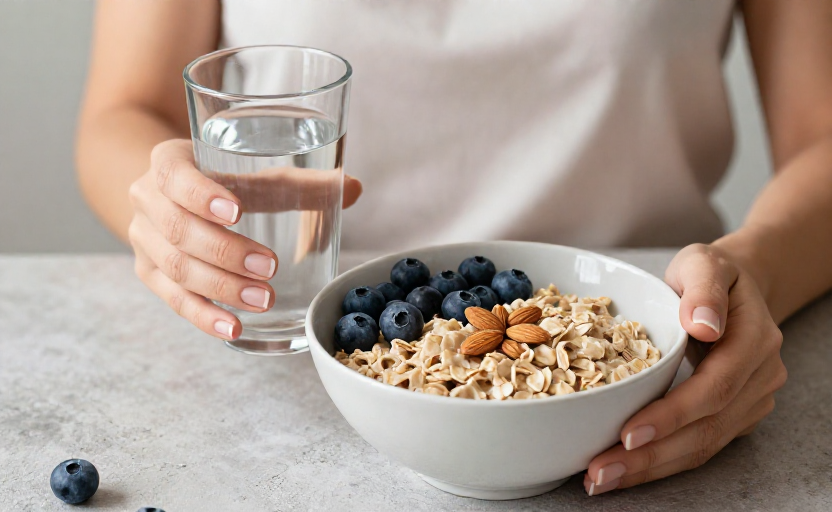
Adding more fiber to your diet is one of the first pieces of advice you'll hear for better gut health. And it's good advice—fiber feeds your microbiome, keeps things moving, and supports long-term digestive wellness. But doing it wrong can backfire, leaving you bloated, crampy, or just plain uncomfortable. Here are the four most common mistakes people make when they try to up their fiber game, and how to avoid them.
Mistake #1: Going From Zero to 50 Overnight
This is the classic trap. You hear fiber is good, so you load up on a giant bowl of lentil soup, a handful of flaxseeds, a pear, and a high-fiber cereal—all in the same day. Your gut, which has been coasting on a low-fiber diet, suddenly has a massive load of complex carbohydrates to ferment. The result? Gas, bloating, and sometimes even pain.
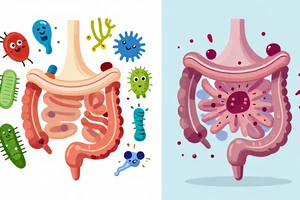
The reality is that the beneficial bacteria in your colon need time to adapt. When you suddenly dump in a huge amount of new substrate, they go into a feeding frenzy, producing gas as a byproduct. Your gut lining and motility also need to adjust to the increased bulk.
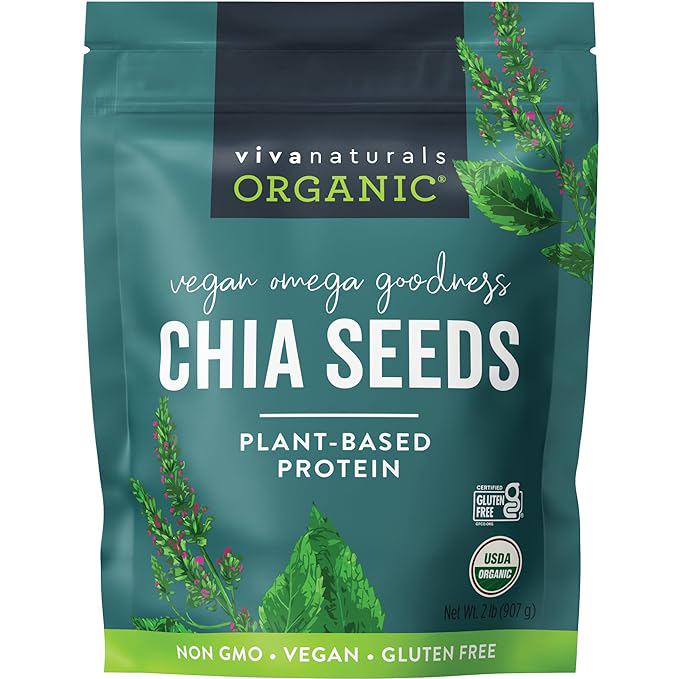
The fix: Add just one extra serving of a high-fiber food each day for a week. Think half an apple instead of a whole one, or a tablespoon of chia seeds in your yogurt. Let your body settle before adding another serving the next week.
Mistake #2: Forgetting to Drink More Water
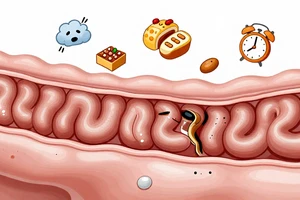
Fiber acts like a sponge. Insoluble fiber, in particular, adds bulk by absorbing water. If you double your fiber intake but keep drinking the same amount of fluids, that sponge has nothing to soak up. Instead of soft, bulky stools that move easily, you end up with a hard, dry mass that's actually harder to pass. This is how people end up thinking fiber is constipating.
Many of my clients start a high-fiber diet and then wonder why they feel worse. When I ask about water intake, the answer is almost always the same: they're drinking coffee, tea, and maybe two glasses of water a day. It's not enough.
The fix: Aim to drink a glass of water (8–12 ounces) with every fiber-rich meal or snack. If you add a bran muffin to your breakfast, pair it with a full glass of water. Your goal is for the fiber to be fully hydrated as it moves through your digestive tract.
Mistake #3: Focusing Exclusively on One Type of Fiber
We tend to hear about fiber in broad strokes, but it's not a single nutrient. There are two main types—soluble and insoluble—and they do very different things. Insoluble fiber is the roughage that adds bulk and helps prevent constipation (think wheat bran, nuts, and vegetable skins). Soluble fiber dissolves in water to form a gel, which slows digestion and helps feed your gut bacteria (think oats, barley, beans, and apples).
Relying entirely on wheat bran or a single psyllium husk supplement gives you one type of benefit while missing the prebiotic effects of soluble fibers. The microbiome responds best to variety, especially to different types of fermentable fibers.
The fix: Build your plate with sources of both. For example, have oatmeal (soluble) with some chopped almonds (insoluble). Or eat a salad with romaine and carrots (insoluble) topped with chickpeas (soluble). Rotate your sources throughout the week—lentils one day, chia seeds the next, berries and nuts after that.
Mistake #4: Adding Fiber Without Addressing the Underlying Gut Environment
This one catches people off guard. If you have an underlying condition like small intestinal bacterial overgrowth (SIBO), a gut infection, or significant inflammation, piling on fiber can actually worsen your symptoms. In SIBO, for instance, fermentable fibers feed bacteria in the small intestine where they shouldn't be, leading to severe bloating and pain.
Fiber is not a universal remedy. It works beautifully in a balanced gut, but it can irritate an already angry one. Many people add fiber hoping it will fix their constipation, not realizing that the constipation stems from a motility issue or pelvic floor dysfunction that needs its own attention.
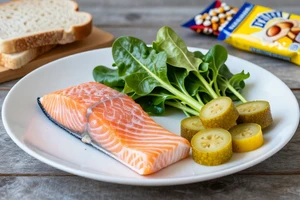
The fix: If you have known digestive issues—especially IBS, SIBO, or inflammatory bowel disease—do not start a high-fiber diet without first stabilizing your baseline symptoms. Work with a practitioner to address the root cause, then slowly introduce fibers you can tolerate, often starting with well-cooked vegetables and low-gas options like peeled zucchini or oats.
Adding fiber is one of the most powerful things you can do for your gut, but finesse matters more than brute force. Start slow, drink your water, mix up your sources, and understand your starting point. Your gut will thank you.