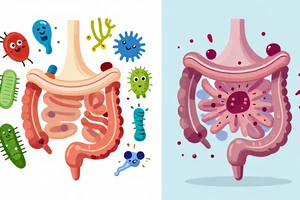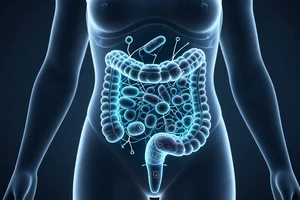

As we navigate our later decades, the conversation around gut health often shifts from simple digestion to its profound influence on immunity, mood, and even cognitive function. The microbiome, that vast ecosystem of bacteria in our intestines, changes with age, often becoming less diverse. It is a critical time to get things right. Yet, in an effort to feel better, many older adults inadvertently undermine their progress.
Let’s look at the four most common missteps I see in my work as a health editor—and how to steer clear of them for a genuinely happier gut.
1. The Overcorrection: Cutting Out Too Many Foods at Once
The desire to improve gut health is admirable, but the approach often starts with a purge. An older adult might hear that gluten or dairy is inflammatory and immediately eliminate entire food groups. However, a diverse microbiome thrives on a diverse diet. When you drastically reduce your food variety, you starve the beneficial bacteria that feed on different types of fiber and nutrients.
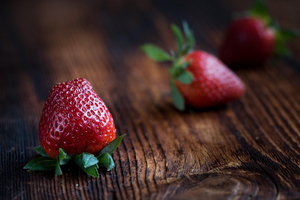
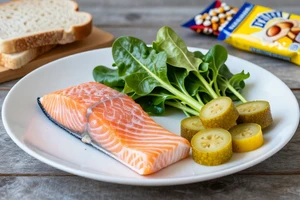
Instead of a blanket elimination, consider a more surgical approach. If you suspect a specific food bothers you, work with a registered dietitian to test it properly. The goal is to add foods, not just subtract them. Focus on incorporating a rainbow of plant-based foods—think berries, leafy greens, nuts, seeds, and legumes. This dietary diversity is a more powerful predictor of a healthy gut than any single elimination diet.
2. The Fiber Fumble: Not Dialing It In for an Aging System
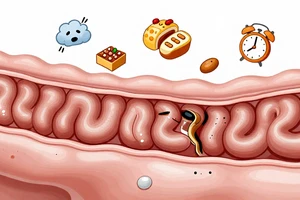
We are constantly told that fiber is the gold standard for gut health, and it absolutely is. But the type and quantity matter enormously for an older digestive tract, which can be slower and more sensitive. This is where the fumble happens. Many people either take a sudden leap to a high-fiber diet, leading to uncomfortable bloating and gas, or they gravitate toward fiber supplements as a quick fix.
A key distinction: bulk-forming fibers like psyllium are different from the fermentable fibers found in whole foods. The latter feed your gut bacteria directly, but they need a gradual introduction.
Instead of reaching for a supplement, slowly integrate soluble fiber sources like cooked oats, avocados, and sweet potatoes. Pair them with plenty of fluids. For insoluble fiber (the roughage found in raw vegetables), ensure they are well-cooked or chopped finely to ease digestion. Your gut needs time to adapt, so introduce one new high-fiber food every few days.
3. The Probiotic Misstep: Relying Too Heavily on Supplements Alone
The supplement aisle is tempting, filled with promise of a balanced microbiome. While probiotics can be beneficial, they are often misunderstood. Taking a probiotic without also feeding the existing good bacteria is like planting seeds in barren soil. Furthermore, many commercial probiotic strains do not survive stomach acid or may not even be the specific strains an individual's microbiome needs.
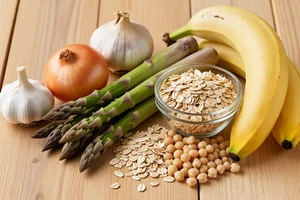
For older adults, the real power often lies in prebiotics—the food for the good bacteria you already have. Excellent prebiotic sources include garlic, onions, leeks, asparagus, and bananas. A more effective strategy is to focus on fermented foods like plain yogurt (with live active cultures), kefir, sauerkraut, and kimchi. These deliver a wider variety of beneficial bacteria and have been linked to better health outcomes in large-scale studies.
4. The Hydration Oversight: Forgetting the Gut’s Best Friend
This is perhaps the single most overlooked factor, especially in older age. The sensation of thirst diminishes as we get older, making chronic low-level dehydration common. The gut relies on water to move food smoothly through the digestive tract. Without adequate hydration, even the best diet can lead to constipation and a sluggish microbiome. Fiber, in particular, needs water to do its job; without it, fiber can actually worsen constipation.
Carry a water bottle as a visual cue, and consider setting a gentle hourly reminder on your phone. Herbal teas, broths, and water-rich fruits like watermelon and cucumbers also count toward your fluid intake. Your goal is to drink enough that your urine is a pale, straw color. This simple habit underpins every other gut health strategy you implement.
Improving gut health after 60 is not about chasing the latest trend or buying expensive supplements. It is about consistent, gentle habits: eating a wide variety of plants, adding fiber slowly, prioritizing fermented foods, and never forgetting to hydrate. When you avoid these common mistakes, you give your microbiome the stable environment it needs to support you for years to come.