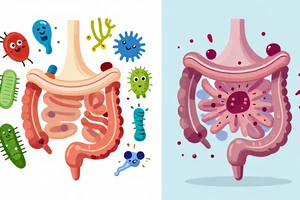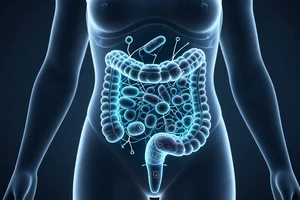
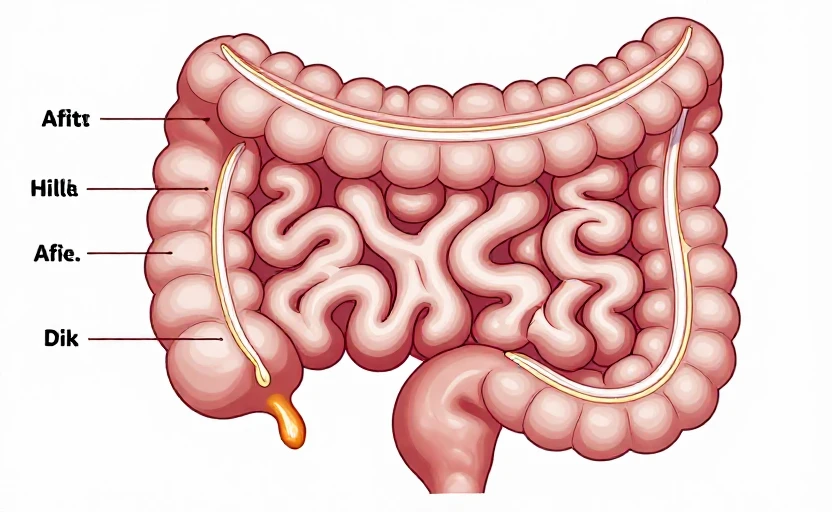
You might think of your gut as a simple tube, a passive passage for food. But it’s far more dynamic. Its inner surface, the gut lining, is a living, breathing barrier—a single layer of cells tasked with a monumental job: letting nutrients in while keeping harmful substances out. When this lining is healthy and intact, it functions seamlessly. But when it becomes compromised, often referred to as ‘leaky gut’ or increased intestinal permeability, it can send signals throughout your body. The clues aren't always dramatic stomach pains; they can be subtle, systemic, and easily mistaken for other issues. Here are three warning signs that suggest your gut lining may need some attention.
Persistent Digestive Discomfort That Feels Unresolved
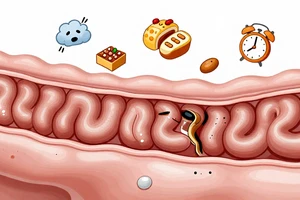
Occasional bloating or gas is a normal part of digestion. The warning sign is when these sensations become your digestive baseline. If you frequently experience bloating that makes you feel uncomfortably full, gas that is painful or excessive, and abdominal cramping after meals, it could point to irritation at the lining level.
Think of a healthy gut lining like a well-maintained filter. It processes what comes through efficiently. A compromised lining, however, is more like a damaged filter—it becomes inflamed and less effective. This inflammation can slow down digestion, cause food to ferment, and lead to that persistent feeling of discomfort. It’s not just about what you eat, but how your gut’s barrier is handling it.
When your gut lining is irritated, even normally well-tolerated foods can trigger a low-grade inflammatory response, leading to ongoing discomfort.
Unpredictable Reactions to Foods You Once Ate Freely
One of the more confusing signs is developing new sensitivities. You might notice that foods you’ve eaten for years—like dairy, gluten, or certain vegetables—suddenly leave you feeling unwell. This isn't necessarily a classic food allergy (which involves the immune system's IgE response) but rather a growing intolerance.
Here’s the connection: a healthy gut lining has tight junctions between cells, controlling what passes into the bloodstream. When these junctions loosen due to chronic stress, poor diet, or imbalances in gut bacteria, larger, partially digested food particles can slip through. Your immune system, which is highly active in the gut lining, then encounters these unfamiliar particles. It may start to tag them as threats, leading to an inflammatory response every time you eat that food. This creates a cycle where the food irritates the lining, and the leaky lining allows more particles through, reinforcing the sensitivity.
A Cascade of Seemingly Unrelated Systemic Symptoms
This is where the gut’s role as the body’s command center becomes clear. The gut lining is a major interface with your immune system. When it’s chronically inflamed and permeable, it can contribute to body-wide symptoms that don’t seem connected to digestion at all.
Common systemic signs include:
- Unexplained fatigue or low energy: Constant immune activity and inflammation are energetically costly for the body.
- Persistent skin issues: Conditions like eczema, acne, or rosacea often flare when gut inflammation is high, a link often called the gut-skin axis.
- New or worsening joint aches: Inflammatory molecules circulating from the gut can settle in joints.
- Foggy thinking or mood changes: The gut produces a significant portion of the body’s serotonin and communicates directly with the brain via the vagus nerve. Gut inflammation can disrupt this delicate communication.
These symptoms are your body’s way of saying the issue has moved beyond a local problem. The integrity of the gut lining plays a key role in containing inflammation; when it’s compromised, the effects can ripple outward.
What Contributes to a Weakened Gut Lining?
Understanding the signs is the first step. The next is recognizing common factors that can challenge your gut barrier. It’s rarely one single cause, but a combination over time.
Chronic stress is a major player, as stress hormones can directly increase intestinal permeability. A diet consistently high in ultra-processed foods, refined sugars, and industrial seed oils can promote inflammation and feed less-than-ideal gut bacteria. Overuse of non-steroidal anti-inflammatory drugs (NSAIDs) and antibiotics can also disrupt the mucosal layer and bacterial balance that protect the lining. Even environmental toxins and chronic infections can place a sustained burden on this delicate system.
Supporting Your Gut Barrier
If these signs feel familiar, the path forward focuses on nourishment and reduction of insult, not quick fixes. The gut lining has a remarkable ability to regenerate itself when given the right support.
Prioritize a diverse, whole-foods diet rich in fiber from vegetables, fruits, legumes, and whole grains. This fiber feeds the beneficial bacteria that produce short-chain fatty acids, like butyrate, which are the primary fuel for your gut lining cells. Include fermented foods like sauerkraut, kimchi, kefir, or yogurt, which provide diverse probiotics.
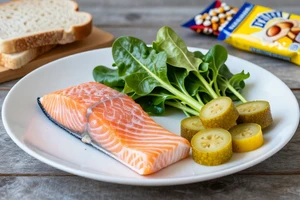
Consider incorporating foods rich in L-glutamine, an amino acid that serves as a building block for gut lining cells (found in bone broth, chicken, fish, eggs, and cabbage). Healthy fats from olive oil, avocados, and fatty fish help reduce inflammation. Perhaps most importantly, identify and minimize the intake of foods that consistently trigger your symptoms, giving your gut a chance to calm down and repair.
Lifestyle factors are equally crucial. Managing stress through practices like walking, meditation, or adequate sleep is not just good for your mind—it’s a direct intervention for your gut. Regular, moderate movement supports healthy digestion and reduces inflammation.
Repair is a gradual process. Consistency with gentle, supportive habits is far more powerful than any single supplement or drastic change.
Listening to these warning signs is an act of tuning into your body’s foundational health. A compromised gut lining is not a definitive diagnosis—it’s a functional state that can be improved. By recognizing the clues of persistent digestive discomfort, new food reactions, and systemic inflammation, you can begin to make choices that support resilience from the inside out. Always discuss persistent symptoms with a healthcare provider to rule out other conditions and create a plan tailored to your needs.