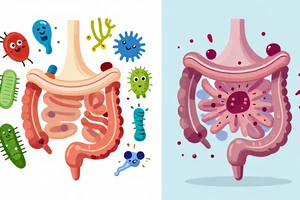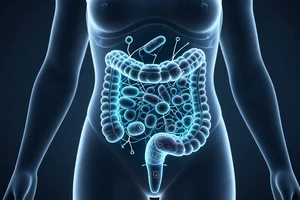

Fermented foods like kimchi, sauerkraut, yogurt, and kombucha have earned a well-deserved reputation as gut-health superstars. They deliver probiotics and beneficial enzymes that can support digestion, reduce inflammation, and boost immune function. But as with anything potent, more is not always better.
Some people find that their enthusiastic fermented food habit starts producing the exact opposite of the intended effect—bloating, brain fog, or digestive distress. If your gut feels worse instead of better, here are three warning signs that your fermentation routine may be backfiring and what you can do to restore balance.
1. You feel bloated, gassy, or uncomfortably full after eating fermented foods
A little bloating after a meal is normal, especially if you've introduced a new food. But if every serving of sauerkraut or kefir leaves you feeling like a balloon, your gut may be struggling to process the high load of live bacteria and organic acids.
For people with sensitive guts, sudden increases in microbial diversity can trigger a temporary condition called D-Lactic acidosis—a buildup of D-lactate produced by certain bacteria during fermentation. Symptoms include bloating, gas, abdominal distension, and even mild confusion or fatigue in susceptible people. If your discomfort is consistent and predictable after fermented foods, it's a sign your gut needs a slower, more gradual introduction.
A simple fix: scale back to just one tablespoon of sauerkraut or one-quarter cup of kefir per day for a week. Let your microbiome adjust before increasing the amount. If symptoms persist, consider taking a break entirely for two weeks to see if the bloat resolves.
2. You experience histamine intolerance symptoms like itching, hives, or headaches
Fermented foods are naturally high in histamine—a compound formed when bacteria break down amino acids during fermentation. For most people, the body efficiently metabolizes histamine using the enzymes DAO (diamine oxidase) and HNMT (histamine N-methyltransferase). But if your body's histamine-clearing systems are overwhelmed, you can develop histamine intolerance.
Symptoms go beyond the gut: you might notice facial flushing, red or itchy skin, nasal congestion, headaches, fatigue, or heart palpitations after eating aged cheese, wine, miso, natto, kombucha, or cured meats. Since fermented foods are a concentrated source of dietary histamine, a daily habit can push sensitive individuals past their personal threshold.
Quick test: Take a three-day break from all high-histamine foods—fermented items, aged cheese, smoked fish, and alcohol. If symptoms improve, you likely have a histamine sensitivity. Reintroduce one fermented food at a time to find your personal limit.
Who is most at risk?
Histamine intolerance is more common in women than men, especially around hormonal shifts. It also affects people with DAO enzyme deficiencies, leaky gut, or SIBO (small intestinal bacterial overgrowth). If you suspect histamine issues, working with a dietitian can help you identify safe fermented options—some people tolerate fresh yogurt better than aged kefir, for instance.
3. Your bowel habits change drastically—constipation, diarrhea, or mucus in stool
One of the goals of eating fermented foods is to regulate bowel movements. But when the microbiome receives a sudden flood of unfamiliar bacterial strains, it can throw transit time off balance. Some people develop loose stools or urgent diarrhea after introducing strong ferments like kimchi or unpasteurized sauerkraut because their gut lacks the bacteria to process the load effectively.
Conversely, if you have a slow-transit gut, the extra fiber from raw fermented vegetables combined with abundant bacteria can cause a fermentative process that leads to constipation and gas. The presence of noticeable mucus in stool—beyond the small amount normally present—can be a red flag that your gut lining is irritated by the acidity or microbial byproducts.
Here's what matters: consistency. If your bowel pattern has moved from regular to erratic since increasing fermented foods, it's a clear signal something is off. Try switching to pasteurized (heat-treated) versions of fermented foods—they still offer limited benefits but without live bacteria—to see if the issue resolves. Or simply reduce frequency to once or twice per week instead of daily.
What to do if fermented foods are backfiring
If any of these signs resonate, you don't need to abandon fermented foods entirely. Instead, consider a rotation approach:
- Frequency: Eat fermented foods 2–3 times per week rather than daily
- Portion size: Start with very small amounts—a forkful of kimchi, an ounce of yogurt
- Variety: Rotate between different ferments (sauerkraut one day, water kefir another) instead of eating the same one daily
- Processing: If live cultures are problematic, choose pasteurized versions or cooked ferments (like sourdough bread or cooked kimchi in stews)
Also look at your overall diet. A gut that is inflamed from processed foods, low fiber, or high sugar may react poorly to probiotics before the underlying environment improves. Healing the gut lining with bone broth, cooked vegetables, and gentle fibers first can make room for fermented foods to work their magic later.
When to see a doctor
Persistent digestive symptoms—especially blood in stool, unintentional weight loss, or severe pain—warrant a medical evaluation independent of diet changes. Similarly, if you have a compromised immune system or are undergoing chemotherapy, live probiotics carry a small risk of infection and should be discussed with your healthcare provider.
Fermented foods are a tool, not a cure-all. Listen to your body: the right amount for someone else may be too much for you. By paying attention to these three warning signs, you can enjoy the benefits of fermentation without the backlash.