Stepping onto a yoga mat for the first time is an act of courage. You’re committing to movement, breath, and perhaps a new relationship with your body. The intention is beautiful, but a common, quiet pitfall awaits many beginners: the urge to push. In a culture that often celebrates ‘more’ and ‘harder,’ it’s easy to bring that mindset into your practice, mistaking strain for strength. True yoga, however, is built on awareness, not achievement. Learning to recognize the subtle signals your body sends is the first, most profound lesson you can learn.
Yoga is not about forcing your body into shapes. It’s about meeting your body where it is, with breath as your guide. Pushing too hard doesn’t accelerate progress; it often leads to frustration, injury, and burnout, turning a potential sanctuary into a source of stress. The line between a healthy challenge and harmful strain can be thin, especially when you’re new and eager. Let’s explore three specific warning signs that suggest you might be crossing that line, so you can return to a practice that feels sustainable and nourishing.
1. You’re Holding Your Breath
This is the most telling, and often the first, sign of over-effort. Breath is the cornerstone of yoga. It’s the thread that links movement to mindfulness. In a balanced practice, your breath should be steady, audible, and fluid—something you can feel moving through you like a wave.
When you start to push beyond your current capacity, the breath is the first thing to go. You might find yourself:
- Taking shallow, hurried sips of air high in the chest.
- Completely suspending your breath to muster more strength or flexibility.
- Exhaling with a strained, grunting force.
If your breath becomes ragged or stops, your body has switched into a stress response. This is a clear signal to ease up.
Your breath is a real-time biofeedback tool. A held breath indicates your nervous system perceives a threat—the ‘threat’ of the pose being too much. The moment you notice this, it’s your cue to back off. Simplify the pose, come into a resting position like Child’s Pose, or simply pause and reconnect with a few long, smooth breaths before continuing.
2. You’re Chasing the “Final” Pose, Not the Feeling
It’s natural to glance at a teacher or a neighbor in class and see a shape you aspire to. The problem begins when that external image becomes your sole goal, overriding the internal experience of the pose. Are you focusing on how the pose looks or how it feels?
Signs you’re in performance mode include:
- Ignoring gentle sensations to crank yourself deeper into a stretch.
- Feeling competitive, either with others or with your own past performance.
- Experiencing sharp, pinching, or shooting pains instead of a broad sensation of stretch or engagement.
- Feeling a sense of failure or frustration when you can’t achieve a specific alignment.
Yoga is an internal practice. The true ‘pose’ is the one your body can create today, with integrity and breath. A gentle pull in the hamstring while maintaining a long spine is a far more advanced expression of a forward fold than touching your toes with rounded back and clenched jaw. Shift your gaze inward. Ask, “Can I breathe smoothly here?” rather than, “How close am I to the floor?”
3. You Feel Wrecked, Not Refreshed, Afterward
How you feel after your practice is a powerful indicator of its appropriateness. While you may feel healthily tired or pleasantly stretched, the overall effect should be one of integration and renewal. You should feel more in your body, not less.
Consider these post-practice red flags:
- Persistent pain: Muscle soreness that lasts more than 48 hours, or joint pain (in knees, wrists, shoulders, lower back) that wasn’t there before.
- Mental depletion: Feeling irritable, spacey, or anxious instead of calm and centered.
- Dreading your next session: If the thought of your next yoga class fills you with reluctance rather than quiet anticipation, your body or mind is telling you the previous intensity was not sustainable.
A beginner’s yoga practice should build you up, not break you down. The feeling afterward is your report card. If it consistently reads ‘exhaustion’ or ‘pain,’ it’s time to reassess your approach in collaboration with your instructor.
How to Cultivate a Kinder Practice
Recognizing the signs is the first step. The next is changing your approach. This isn’t about doing less yoga; it’s about doing yoga more wisely.
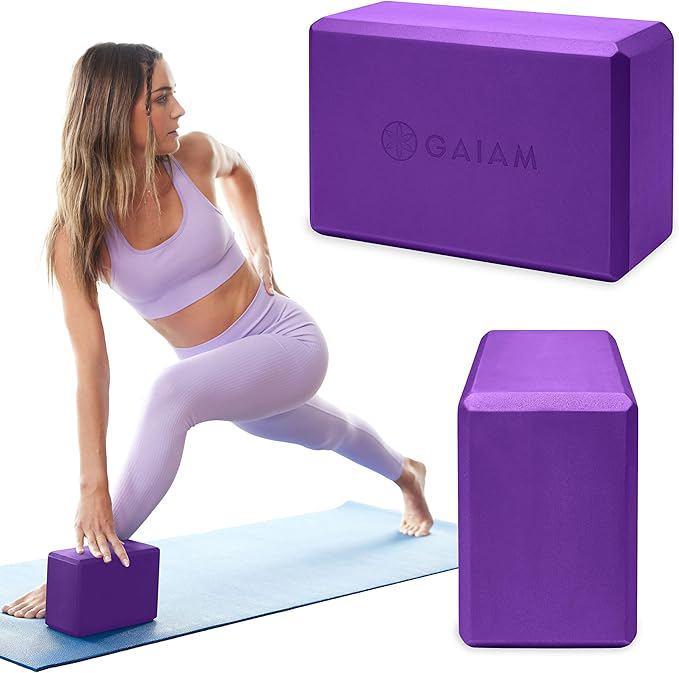
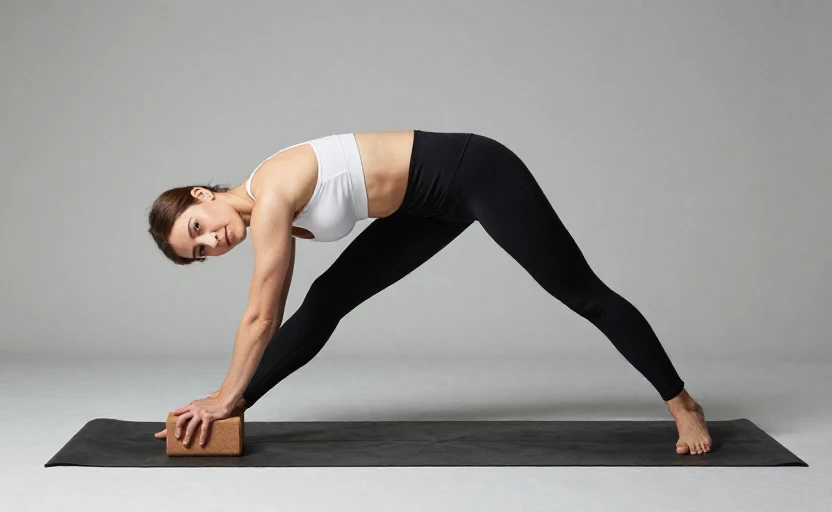
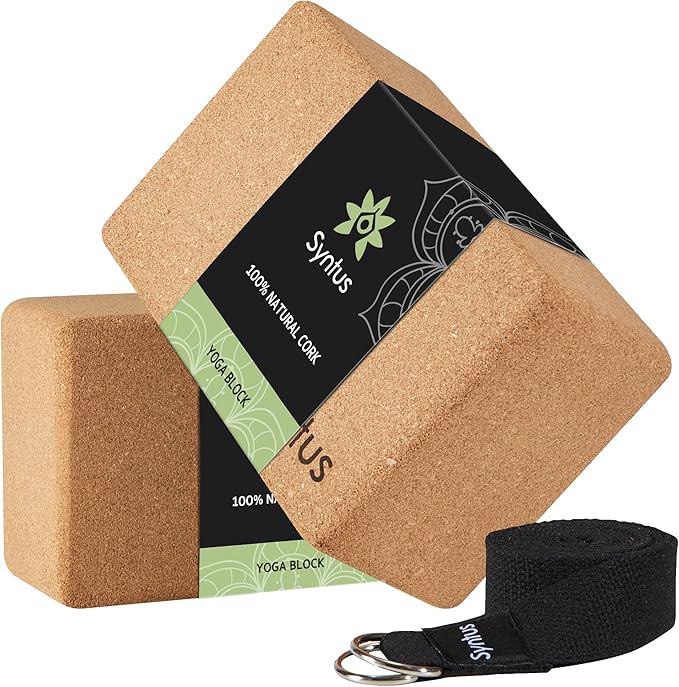
First, embrace props. Blocks, straps, and bolsters are not crutches for the inflexible; they are tools of intelligence that bring the ground closer to you, allowing for proper alignment without strain. Using a block under your hand in Triangle Pose isn’t cheating—it’s creating space and stability in your spine.
Second, practice the art of vinyasa krama—the intelligent sequencing of steps. Don’t jump to the peak pose. Honor the preparatory movements that warm and awaken the specific muscles and joints you’ll be using. If your teacher offers a variation, view it not as a lesser option, but as the perfect option for your body today.
Your practice on the mat is a mirror for your life off it. Cultivating patience and non-force here can ripple into your daily interactions.
Finally, communicate with your instructor. Before or after class, a quiet word like, “I’m noticing some wrist sensitivity,” or “I’m brand new,” can help them offer you tailored modifications. A good teacher will appreciate your awareness and want to support your safe journey.
Listening as Practice
The most advanced yoga technique isn’t a handstand or a deep backbend. It is the subtle, continuous act of listening. Listening to the quality of your breath. Listening to the messages from your joints and muscles. Listening to the tone of your inner dialogue. When you replace pushing with listening, you transform yoga from a physical workout into a practice of self-respect. That is where the deepest, most lasting benefits—of strength, peace, and resilience—truly begin.



![Tumaz Yoga Strap/Stretch Bands [15+ Colors, 6/8/10 Feet Options] with Extra Safe Adjustable D-Ring Buckle, Durable and Comfy Delicate Texture - Best for Daily Stretching, Physical Therapy, Fitness](https://www.glowtheorylab.com/uploads/ad202604/d62cf3b7330d7d4a.webp)