The idea that a healthy gut can influence how you feel from head to toe has moved from fringe wellness circles into everyday health conversation. But what does that actually look like if you stop reading about probiotics and start eating them daily? After working with nutrition editors and tracking the latest research on the gut microbiome, I’ve seen a consistent pattern: people who add a serving of fermented or probiotic-rich food to their routine often notice three specific symptoms begin to ease. Not overnight—usually over the course of a few weeks—but noticeably enough that they don’t want to go back.
Below, we walk through those three areas and why they respond so well to the live cultures found in foods like yogurt, kimchi, sauerkraut, and kefir. This is not a prescription or a cure. It’s a signal—your body’s way of telling you that your gut community might need more support.
1. Bloating And Irregular Digestion
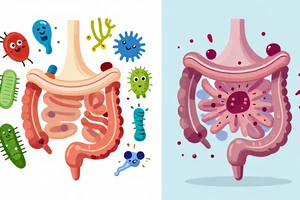
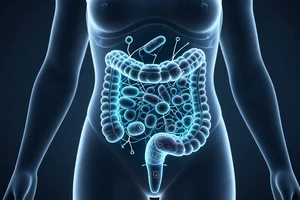
If your stomach feels tight, puffy, or uncomfortably full after meals without an obvious reason, you are not alone. Occasional bloating is one of the most common complaints in primary care, and it often traces back to an imbalance in gut bacteria known as dysbiosis. When the ratio of “friendly” bacteria drops, the digestive process can become sluggish, gas production increases, and the gut wall may not function as smoothly.
Probiotic-rich foods introduce viable strains—Lactobacillus and Bifidobacterium are the most common in fermented dairy and vegetables—that help crowd out less helpful microbes and support the breakdown of food. Clinical reviews have found that certain probiotic strains can reduce abdominal distension and improve stool frequency in people with mild bloating or constipation. This is why many people report feeling “lighter” or more regular after a week or two of daily fermented food intake.
What to look for
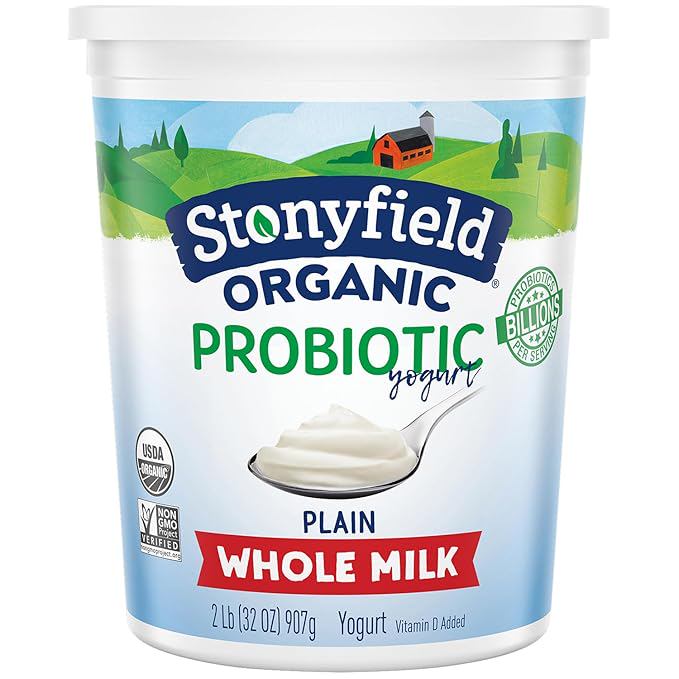
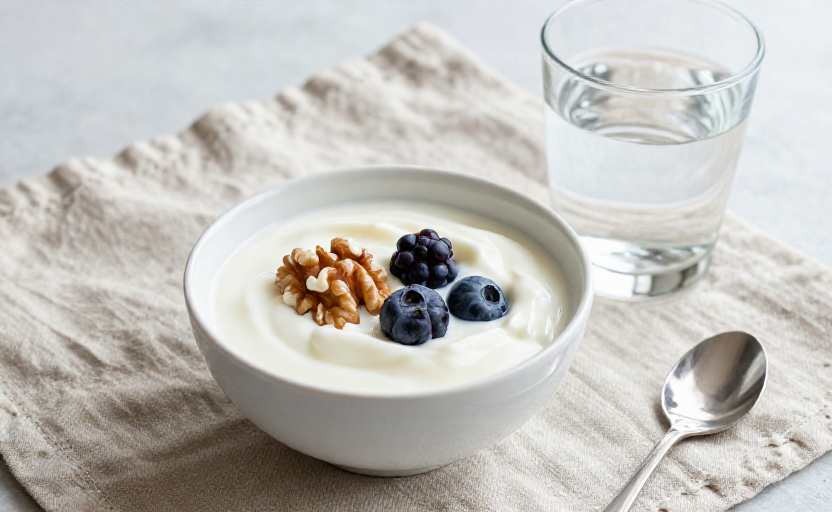
Choose unpasteurized sauerkraut or kimchi (the kind from the refrigerated section, not the shelf-stable can), plain yogurt with live active cultures, or a glass of milk kefir. Start with a small serving—a forkful of kraut or half a cup of yogurt—and increase gradually. Drinking more water alongside these foods also helps the fiber and cultures move through the system.
2. Bothersome Skin Breakouts
The gut-skin axis is one of the more fascinating recent findings in dermatology. It suggests that inflammation originating in the gut can show up on the skin as acne, rosacea, or eczema flare-ups. When the intestinal lining is under stress from poor diet, stress, or a low diversity of bacteria, it can become more permeable—sometimes called “leaky gut.” This allows small particles into the bloodstream that trigger an immune response, which often manifests as redness, bumps, or irritation.
Daily consumption of probiotic foods helps reinforce the gut barrier. By supporting a more stable and diverse microbiome, these foods may reduce the level of systemic inflammation. A meta-analysis published in the journal Nutrients found that probiotics modestly reduced the total number of acne lesions in study participants compared to placebo. While probiotics won’t erase a severe cystic breakout on their own, they can be a gentle, dietary layer of support—especially for people who have tried topical products without lasting relief.
Small study note: In one trial, women who drank a fermented milk beverage daily for 12 weeks showed significant improvements in skin smoothness and hydration. The mechanism appears linked to reduced oxidative stress markers.
Again, the key is consistency. Sporadic kombucha here and there won’t deliver the same steady influx of cultures as a daily serving of a traditional fermented food.
3. Lingering Low Energy Or Brain Fog
This symptom is harder to measure but very real: you sleep enough, you drink coffee, but you still feel mentally hazy or physically flat by mid-afternoon. A growing body of research ties this feeling back to the gut-brain axis—a bidirectional communication network between the enteric nervous system and the central nervous system. Your gut produces a large percentage of the body’s serotonin and a significant amount of dopamine precursors. When the microbiome is unbalanced, the production and signaling of these neurotransmitters can be disrupted.
Eating probiotic-rich foods regularly appears to support this communication loop. Fermented foods contain not only live bacteria but also postbiotic metabolites—short-chain fatty acids and peptides—that can influence brain function indirectly. In a randomized trial from 2021, healthy adults who consumed a high-fermented-food diet for 10 weeks reported improved feelings of energy and perceived cognitive sharpness compared to a control group eating a standard diet.
While the effect is mild for most people—it’s not a replacement for good sleep or managing stress—the improvement often feels like a clearing of the static. The same meal that used to leave you lethargic may start to feel neutral or even slightly energizing when your gut bacteria are more balanced.
How To Add Probiotic Foods Without Overcomplicating Your Day
You don’t need to overhaul your kitchen. A single daily addition can be enough to trigger these improvements over time. Here are three simple ways to anchor the habit:
- Breakfast boost: Add a spoonful of plain yogurt or kefir to your oatmeal, smoothie, or granola. Look for “live active cultures” on the label.
- Lunch crunch: Top your salad or grain bowl with a quarter cup of kimchi or sauerkraut. The tangy flavor replaces the need for heavy dressing.
- Evening reset: Drink a small glass of water kefir or a low-sugar kombucha as a palate cleanser after dinner.
One important note: if you have a compromised immune system or are on immunosuppressive medication, talk to your healthcare provider before adding live-culture foods to your diet. For most healthy people, however, the risk is minimal and the potential benefit is real.
When Will You Notice A Difference?
Patience matters. The gut lining turns over every few days, but the microbial populations themselves take longer to shift—usually two to four weeks of daily intake. If you do not notice any change by the end of the first month, consider whether you are eating a diverse enough range of probiotic foods, or whether other factors (high stress, low fiber, frequent antibiotic use) are holding the microbiome back. Sometimes the improvement is subtle: a less bloated morning, a calmer skin day, or an afternoon with clearer concentration. Those small improvements, tracked over time, add up to a meaningful change in how you feel day-to-day.