
Vitamin D often goes by the nickname “sunshine vitamin,” but for many people, the body doesn’t make enough of it — even if you spend time outdoors. Because the early symptoms of low vitamin D can be easy to brush off as stress or a busy lifestyle, it pays to know what to look for. Here are three subtle signs that your vitamin D levels may be low, plus the first steps you can take to get a clearer picture.
1. You feel unusually tired or sluggish
Everyone has an off day now and then. But if you’ve been waking up tired, dragging through the afternoon, or feeling like your usual coffee fix isn’t cutting it, low vitamin D could be a factor. Research has linked vitamin D deficiency with chronic fatigue and poor sleep quality. This isn’t the kind of tiredness that goes away after a weekend off — it tends to linger, and it can show up even when you’re getting plenty of rest.
2. Your mood feels a little off
Your brain relies on vitamin D receptors to help regulate mood and emotional health. When levels drop too low, it’s possible to feel more irritable, anxious, or just generally low in spirits. Seasonal affective disorder (SAD) is one well-known example — it often occurs during winter months when sun exposure is minimal. But even subtle mood shifts that seem unrelated to the seasons can be a clue that your vitamin D is running low.
3. You’re getting sick more often, or your muscles ache without a reason
Vitamin D plays a key role in immune function. If you find yourself catching every cold that goes around, or if minor infections seem to hang on longer than they used to, a deficiency might be involved. On a similar note, unexplained bone or muscle discomfort — especially in the lower back, legs, or hips — can signal that your body isn’t absorbing calcium as well as it should because it lacks sufficient vitamin D.
What to check first
If any of these signs sound familiar, the clearest next step is a simple blood test. A healthcare provider can order a 25-hydroxy vitamin D test, which measures the amount of vitamin D circulating in your blood. This is the most reliable way to know where you stand. Levels below 20 ng/mL are generally considered deficient, while values between 21 and 29 ng/mL may be insufficient.
Before you have the test, avoid starting any high-dose vitamin D supplements on your own — your doctor will want to see your baseline level. Once the results come back, they can recommend a safe dosage that fits your specific needs.
Supporting healthy vitamin D levels day to day
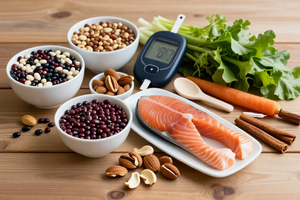
While supplements can help under a doctor’s guidance, food and sensible sun exposure also play a part. Natural sources of vitamin D include fatty fish (like salmon, mackerel, and sardines), egg yolks, and foods fortified with the vitamin, such as certain dairy products and cereals. Aiming for short, consistent periods of sunlight on exposed skin — around 10–20 minutes a day, depending on your skin type and latitude — can support your body’s own production. Just be mindful of sunscreen and time of day to avoid sunburn.
A quick note: Because many factors affect vitamin D absorption — from geographic location to skin color to age — relying on sunlight alone may not be enough. Testing is the most trustworthy way to confirm your status.
Low vitamin D is common, but it’s also manageable. By noticing subtle changes in your energy, mood, and immune health, you can catch a potential deficiency early. Start with a blood test, talk to your healthcare provider, and make informed adjustments to your diet and routine. Your body will thank you.