Essential fatty acids — particularly omega-3s and omega-6s — are the kind of nutrients your body can't make on its own. You have to get them from food. When you don't get enough, the effects can be surprisingly subtle at first. You might not connect the dots between what's on your plate and how you feel day to day. Here are three often-overlooked signs that your intake of these healthy fats may be falling short.
1. Your skin feels dry, irritated, or flaky
Your skin is a sensitive barometer of your internal health. When essential fatty acids are low, the skin's natural barrier weakens. This barrier is what normally keeps moisture in and irritants out. Without enough omega-3s — especially EPA and DHA — skin can lose its ability to stay hydrated. You might notice persistent dryness, rough patches, or a tendency toward redness and inflammation. Some people develop small, rough bumps on the backs of the arms or along the cheeks, a condition sometimes linked to a deficiency in linoleic acid, an omega-6 fatty acid.
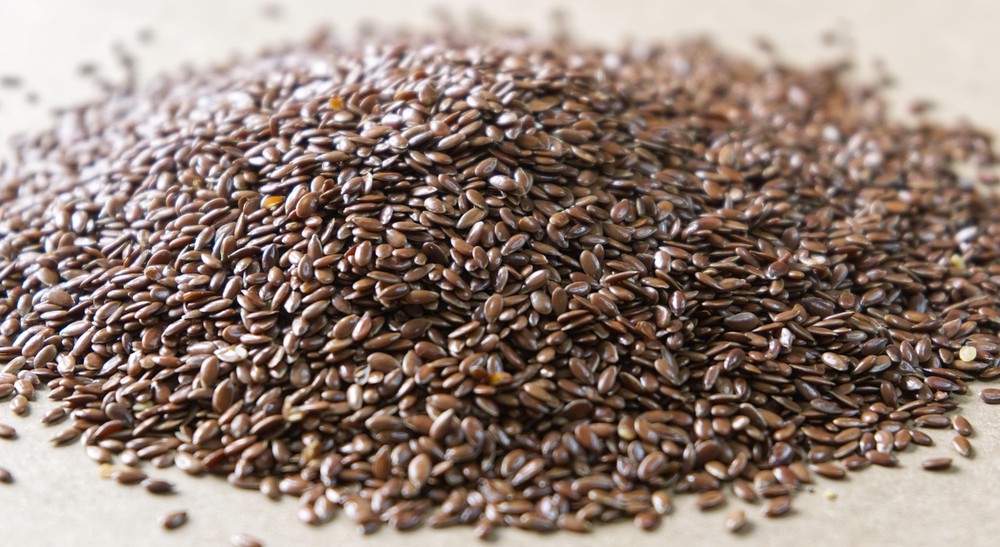
Think of it this way: if moisturizers and lotions aren't doing much, the issue may be coming from within. A diet consistently low in fatty fish, walnuts, flaxseeds, or chia seeds could be the underlying cause. The same fats that support heart and brain health also keep skin cells plump and flexible.
2. Your nails are brittle and your hair lacks shine
Healthy hair and strong nails rely on a steady supply of essential fatty acids to keep cells flexible and resilient. When these fats are scarce, hair can turn dry, dull, or brittle. You might also notice more shedding than usual or a scalp that feels flaky and irritated — not dandruff in the classic sense, but a dry, uncomfortable scaling that doesn't improve with regular shampoo changes.
Nails often become the next casualty. Without enough omega-3s, the nail bed can weaken, and the nails themselves may split, peel, or break easily. While vitamin and mineral deficiencies get a lot of attention when it comes to nail health, the role of essential fatty acids is just as important. A diet that relies heavily on processed foods and skips sources like salmon, sardines, or avocado is likely to show these signs over time.
3. Your mood feels flat or fatigue sets in easily
Essential fatty acids are critical for brain structure and function. DHA, in particular, makes up a large part of the gray matter in your brain. When your intake consistently falls short, you may start to feel mentally foggy, unmotivated, or unusually tired — even after a full night's sleep. Some people also notice a low, persistent mood that doesn't seem to have a clear trigger.
This isn't about diagnosing depression or anxiety. It's about recognizing that your brain needs specific fats to communicate effectively between cells. Without them, neurotransmitter signaling can falter, and your overall resilience to daily stress can drop. If you find yourself reaching for coffee to get through the afternoon more often than not, it might be worth looking at whether your diet includes enough fatty fish, eggs from pasture-raised hens, or plant-based sources like hemp seeds and algae oil.
Spotting these signs early is helpful, but the solution doesn't require a complete diet overhaul. Small, consistent changes — like adding a tablespoon of ground flaxseed to your morning oats or swapping one meal a week for a fatty fish like mackerel or trout — can make a meaningful difference over time. As with any dietary adjustment, it's best to talk with a healthcare professional before making significant changes, especially if you're considering supplements.