It is easy to assume that if you are not hungry, your body is getting everything it needs. But hunger alone is a blunt instrument. The human body can run on empty for a surprisingly long time before it raises a red flag—especially when calories are present but the vitamins, minerals, and phytonutrients are not. This phenomenon is sometimes called the “full but empty” paradox: you eat enough food but not enough real nourishment.
That gap between calories and nutrients does not always announce itself with obvious symptoms. Instead, it shows up in small, easily dismissed signals. Here are three subtle clues that your diet might be missing the nutrient density your cells actually need.
1. You Feel Tired Even After a Full Night’s Sleep
Chronic, low-level fatigue is so common that many people accept it as normal. But when you are getting adequate sleep—seven to nine hours—and still drag through the afternoon with brain fog or heavy eyes, it is worth looking at what is on your plate, not just your pillow.
Several nutrients play direct roles in how your body produces energy. Iron, for instance, helps red blood cells carry oxygen. When iron stores run low, even mildly, your cells get less oxygen and your energy metabolism slows down. B vitamins—especially B12, B6, and folate—are cofactors in the process that converts food into usable energy. If your meals are built around refined grains, added sugars, and ultra-processed snacks, you can consume plenty of calories yet still shortchange these critical vitamins and minerals.
Tip: A steady pattern of low energy that is not explained by sleep quality or stress is often one of the earliest signs that your diet could use a nutrient-density upgrade.
A whole-food shift does not require a complete overhaul. Start by adding one or two servings of dark leafy greens, legumes, or lean protein sources to your day. Small changes in iron and B-vitamin intake can lift energy levels within a week or two.
2. Your Skin, Hair, or Nails Look Different Than Usual
The body uses non-essential tissues as a kind of nutrient bank. When vitamin and mineral levels drop, hair, nails, and skin are often the first places the body makes cuts.
If your hair feels drier than before, your nails are brittle and chip easily, or your skin seems dull or slow to heal, your diet may be low in zinc, biotin, vitamin C, or healthy fats. Zinc is important for hair follicle function and wound healing. Biotin (a B vitamin) supports keratin production, which gives strength to nails and hair. Vitamin C is needed for collagen synthesis—the structural protein that keeps skin firm and resilient. Omega-3 fatty acids, found in foods like walnuts, flaxseeds, and fatty fish, help maintain the skin’s moisture barrier.
Notice that none of these symptoms require a full-blown deficiency. They can emerge from a diet that provides enough calories but not enough diversity of nutrient-rich foods. Processed snacks, sugary cereals, and refined white bread deliver energy but little else. Replacing some of those items with a handful of almonds, a citrus fruit, or a bowl of oatmeal topped with seeds can replenish micronutrients without adding much complexity to your routine.
3. You Get Cuts, Bruises, or Colds That Take Longer to Heal
If a paper cut seems to linger for days or a cold drags into a second week, it may be more than bad luck. The immune system and tissue repair processes are metabolically expensive. They depend on a steady supply of vitamins A, C, D, zinc, and protein—among other nutrients.
When the diet consistently lacks these building blocks, the body has to prioritize immediate survival over rapid repair. Bruises that do not fade quickly can be a sign of fragile capillaries, which rely on vitamin C and flavonoids to stay strong. Frequent or prolonged infections often point to inadequate zinc or vitamin D status. Slow-healing minor wounds can indicate a shortage of protein or vitamin A.
Again, these are not dramatic red flags—they are whispers. A diet rich in highly processed foods, even if it is low in calories, can crowd out the produce, lean meats, legumes, and whole grains that support cellular repair. Adding a serving of colorful vegetables and a source of lean protein to each meal is one of the simplest ways to give your body the raw materials it needs for resilience.
How to Check if Your Diet Is Truly Nutrient-Dense
If any of these signs feel familiar, you do not need to turn your life upside down. A quick mental audit can help: Look at the last three or four typical meals. How many were built around whole, minimally processed ingredients? How many included a vegetable or fruit? Did any contain a source of healthy fat or lean protein?
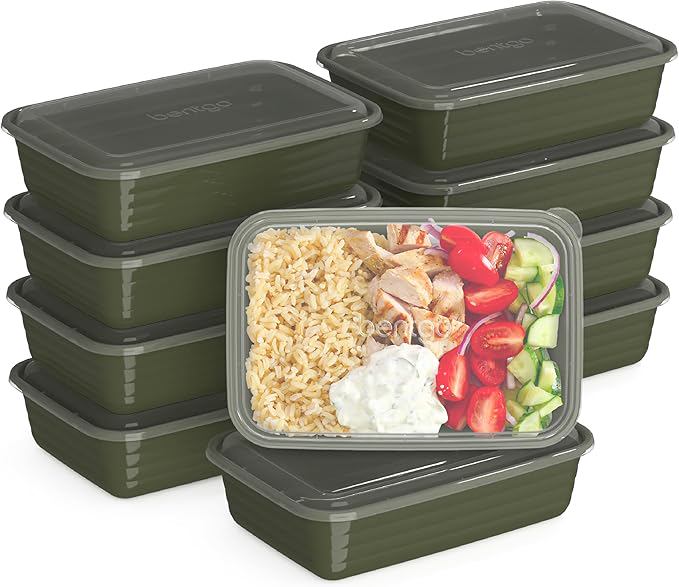
One straightforward strategy is the plate method: aim for half your plate to be non-starchy vegetables and fruit, a quarter to be lean protein, and a quarter to be whole grains or starchy vegetables. This pattern naturally increases nutrient density without requiring specific supplement recommendations.
If your diet leans heavily on packaged snacks, white bread, sugary beverages, or fast food, your body is probably getting plenty of energy but little else. That is the exact gap that produces subtle signs like persistent tiredness, lackluster hair and nails, and slow recovery.
Listening to these quiet signals is a form of self-care. They are not a reason to panic—but they are a reason to ask whether your daily choices are truly feeding your cells, or just filling your stomach.