
Protein is the building block of muscle, but it also plays a key role in recovery, hormone production, and immune function. If you’re active—whether you lift weights, run, practice yoga, or play a sport—your protein needs are higher than those of a sedentary person. But how do you know if you’re actually getting enough?
Here are three telltale signs that your protein intake might not be keeping up with your activity level, along with practical ways to adjust your diet.
1. You’re Always Sore or Feeling Run Down
It’s normal to feel some muscle soreness after a tough workout, especially if you pushed yourself. But if you find that your muscles ache for days after a session—or if you feel unusually fatigued even on rest days—your body may be signaling a protein shortage.
When you exercise, you create small tears in muscle fibers. Protein provides the amino acids your body needs to repair those tears and rebuild stronger tissue. Without enough protein, that repair process slows down. The result: lingering soreness, longer recovery times, and a general sense of being “wiped out.”
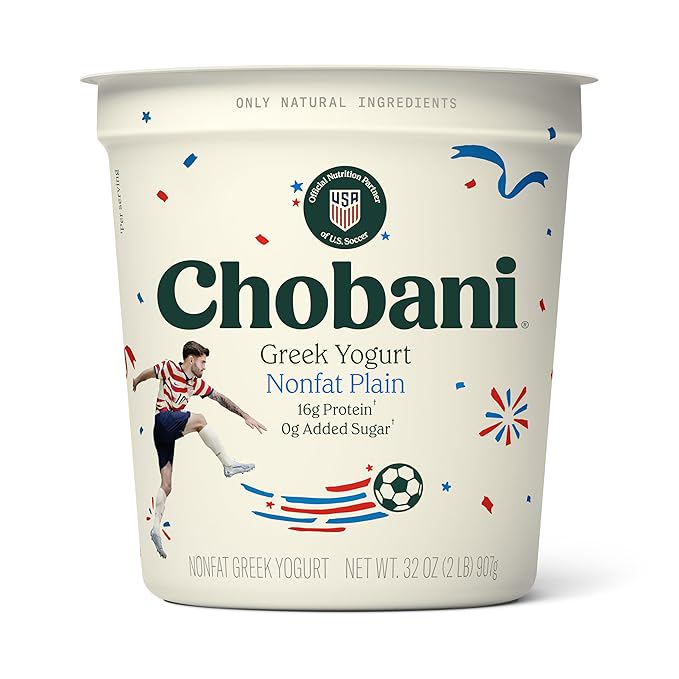
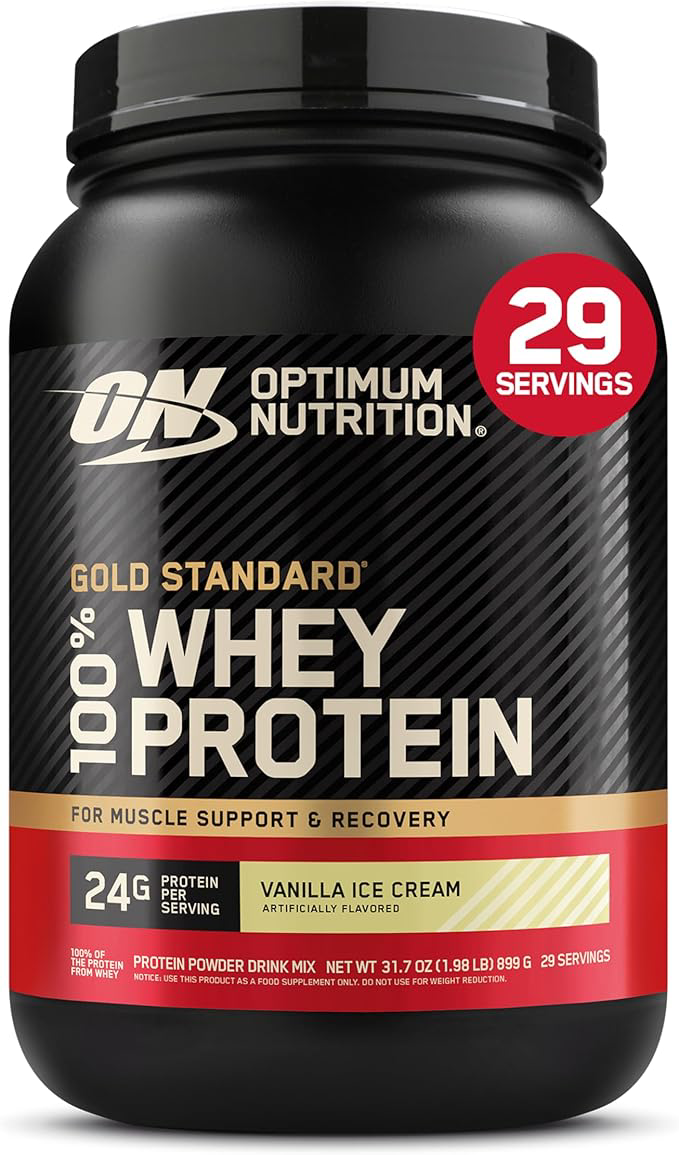
If this sounds familiar, try distributing your protein evenly across meals. You don’t need to eat a whole chicken at once—think 20–30 grams per meal, which is roughly the amount in 3–4 ounces of cooked meat, a cup of Greek yogurt, or a scoop of protein powder in a smoothie.
2. You’re Losing Muscle or Stalling in the Gym
Have you been working out consistently but not seeing your strength or endurance improve? Or worse—are you noticing that your clothes fit differently, even though you haven’t changed your training routine?
When protein is scarce, your body can start breaking down its own muscle tissue to get the amino acids it needs for essential functions. This is especially problematic for active people, because muscle is what helps you move efficiently and burn calories at rest.
A few subtle signs: your lifts feel heavier, your running pace slows, or you struggle to finish workouts you used to breeze through. In the long run, chronic low protein intake can lead to measurable muscle loss, even if you’re exercising regularly.
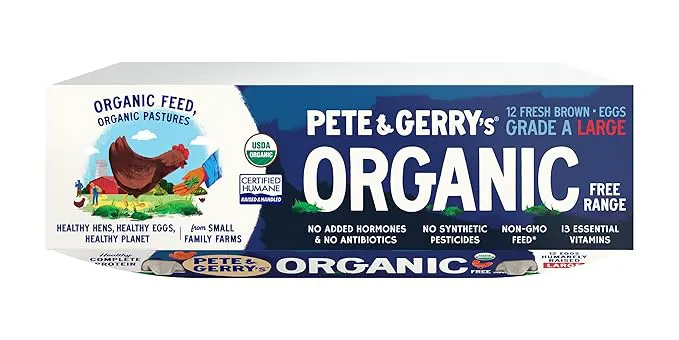
To support muscle maintenance and growth, aim for a protein-rich snack within 30–60 minutes after your workout. Good options include a protein shake, cottage cheese, eggs, or a turkey sandwich on whole-grain bread.
3. Your Hair, Skin, or Nails Look Dull or Brittle
This one might surprise you, but protein isn’t just for your biceps. Your hair, skin, and nails are made of keratin, a protein. When you’re not eating enough protein, your body prioritizes vital organs over external features. You might notice your hair thinning or falling out more than usual, your nails becoming brittle or ridged, or your skin looking dry and lacking bounce.
These changes don’t happen overnight—they often appear weeks or months after a period of low protein intake. But if you’re active and you’ve noticed any of these shifts, it’s worth taking a closer look at your diet.
You don’t need to overhaul everything at once. Simple swaps can help: replace a low-protein breakfast (like toast with jam) with eggs or Greek yogurt; add lentils or beans to salads and soups; and snack on nuts, seeds, or cheese instead of chips.
How Much Protein Do Active People Actually Need?
General guidelines suggest 0.8 grams of protein per kilogram of body weight for sedentary adults. But if you’re regularly active, that number goes up. Most sports nutrition experts recommend between 1.2 and 2.0 grams per kilogram, depending on the type and intensity of your training.
For example, a 150-pound (68 kg) person who exercises moderately might aim for about 82–102 grams of protein per day. Someone doing heavy strength training or endurance sports might need closer to 120 grams.
To make that more concrete: 100 grams of protein is roughly the equivalent of a chicken breast (31 g), a cup of Greek yogurt (23 g), two eggs (12 g), half a cup of lentils (9 g), and a handful of almonds (6 g). Spread across three meals and a couple of snacks, it’s very doable without resorting to powders (though they can help).
A quick note on timing: Consistency matters more than one giant protein shake. Your body uses amino acids steadily throughout the day, so spacing intake—every 3–4 hours—supports muscle synthesis and energy better than loading up at dinner.
What to Do Next
If any of these signs resonate, don’t panic. Start by keeping a simple food log for a few days to see where you’re landing protein-wise. Then, add one or two protein-rich foods to your daily routine. Small, consistent changes are what lead to lasting results.
And remember: protein needs are individual. Factors like age, sex, body composition, and the type of activity you do all play a role. If you have specific health concerns or dietary restrictions, a registered dietitian can give you personalized guidance.