
You have probably heard that omega-3 fatty acids are good for you. These essential fats play a quiet but critical role in everything from your brain's daily function to keeping inflammation in check. Yet many people walk around with suboptimal levels and never realize it. The symptoms can be subtle, easy to blame on stress, a busy schedule, or just getting older. If something feels slightly off, your omega-3 status might be part of the picture.
Here are three distinct signs that your omega-3 levels might be too low, along with practical, evidence-informed steps to help you bring them back into a healthy range.
1. Dry, Irritated Skin or Persistent Dandruff
Your skin is often the first place a fatty acid deficiency shows up. Omega-3s help regulate oil production and keep cell membranes supple so your skin can hold onto moisture. When levels dip, the skin barrier can weaken. You might notice dry patches on your arms or legs, a rough texture, or stubborn dandruff that doesn't respond to standard shampoos.
A lack of omega-3s may also contribute to inflammatory skin conditions like eczema or acne because these fats help calm the immune response in the skin. If you are already prone to these issues, low levels can make flare-ups more frequent or harder to manage.
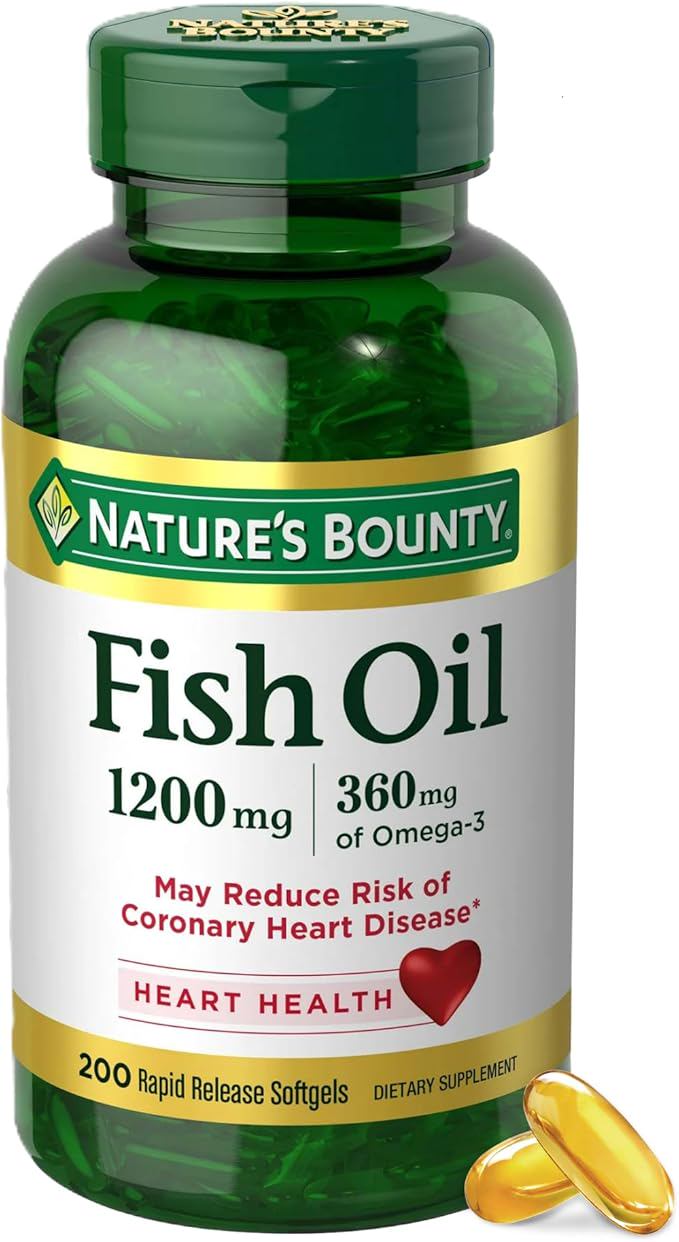
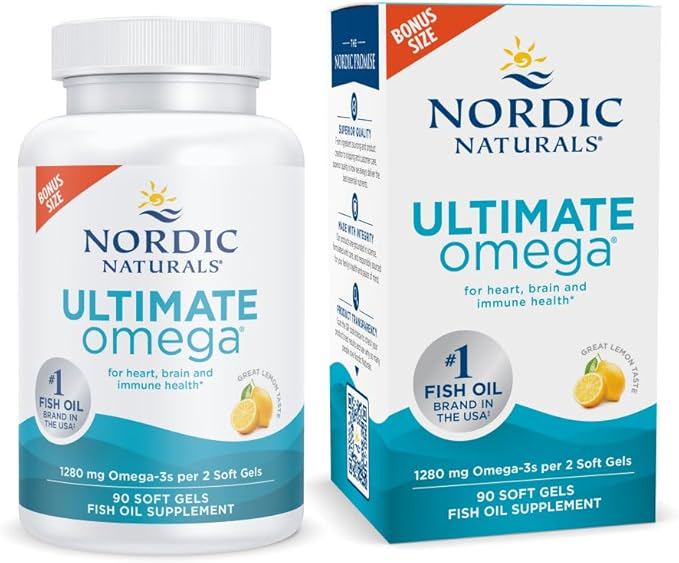
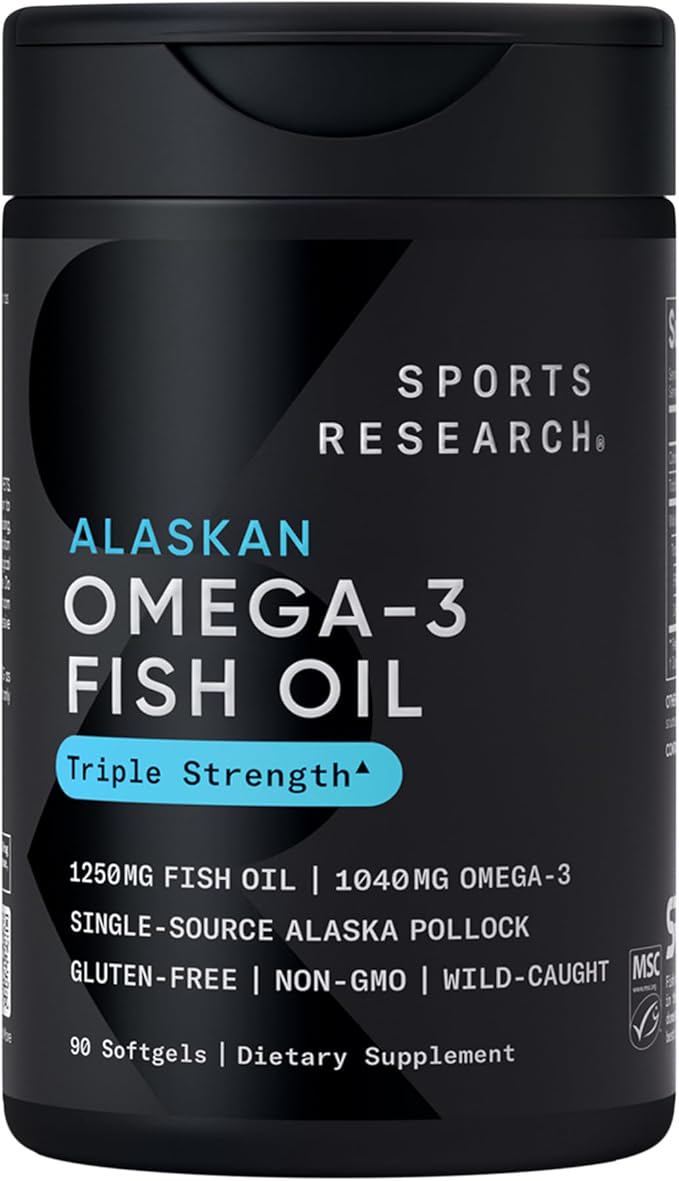
What helps: Adding fatty fish such as salmon, mackerel, or sardines to your weekly menu is one of the most direct ways to support skin health from the inside out. Plant-based sources like walnuts, chia seeds, and flaxseeds offer ALA, which the body converts only partially. For a more consistent boost, a fish oil or algal oil supplement may be worth discussing with a healthcare provider.
2. Trouble Concentrating or Brain Fog
DHA is the dominant omega-3 in the brain. It makes up a large part of the gray matter that handles memory, learning, and decision-making. When DHA levels drop, the brain's communication pathways do not fire as efficiently. You might find yourself losing your train of thought mid-sentence, re-reading the same line in a book, or feeling like a haze hangs over your afternoon productivity.
Low omega-3 levels have been linked in observational research to a higher risk of age-related cognitive decline, though more clinical trials are needed. What is clearer is that many people who increase their intake report sharper focus and a lighter mental fog within a few months.
What helps: Two servings of fatty fish per week is a common recommendation for cognitive support. If you do not eat fish, a high-quality DHA supplement derived from algae can provide the same fatty acid your brain depends on without the fishy aftertaste.
3. Joint Stiffness or Persistent Aches
Omega-3s are natural anti-inflammatory compounds. They help your body resolve the low-grade inflammation that can settle into joints, especially as you get older. If you wake up stiff in the morning, feel creaky after sitting still, or have hands that ache on damp days, your omega-3 levels might be lower than your body needs to keep that inflammation in check.
Unlike an acute injury where swelling is obvious, this kind of background inflammation is subtle. It nibbles away at comfort and mobility over time. People who raise their omega-3 intake often describe a slow but meaningful easing of joint tenderness and morning stiffness.
What helps: Consistent supplementation with fish oil (at levels that provide at least 1,000 mg combined EPA and DHA daily) has shown benefit in joint health studies. Pair that with anti-inflammatory foods like berries, turmeric, and green vegetables for a broader effect.
How to Increase Your Omega-3 Levels Safely
The simplest dietary shift is to eat more cold-water fatty fish. Salmon, herring, anchovies, and trout are excellent sources. Aim for at least 8 ounces (about two servings) per week. For plant-based eaters, the challenge is significant: ALA conversion to EPA and DHA is less than 10%. That makes dietary planning more deliberate. Ground flaxseed, chia pudding, and hemp hearts are good background sources, but you may need a direct DHA supplement (from algae) to achieve meaningful blood levels.
When choosing supplements, look for third-party testing seals from organizations like USP or NSF International. These checks ensure the product is free of contaminants and contains what the label says. Store your oil in a cool, dark place to prevent oxidation and rancidity.
Be aware that high-dose omega-3 can thin the blood slightly. If you take a blood thinner or have a bleeding disorder, talk to your doctor before adding a concentrated supplement.
How long until levels improve?
Your red blood cell membranes take about three to six months to reflect a dietary change in the Omega-3 Index test. Some people notice symptom improvements—particularly in skin and joint comfort—in as little as four to eight weeks with consistent intake.
When to Test Your Omega-3 Levels
A simple finger-prick test can measure your Omega-3 Index. A level below 4% is considered low, 4–8% intermediate, and above 8% optimal. If you have risk factors such as a strong family history of heart disease or inflammatory conditions, or if you simply want a clear baseline, testing can remove guesswork. Your healthcare provider can order these tests or you can use a reputable direct-to-consumer kit.
A final note: Omega-3s are not a cure-all, but they are one of the most consistently supportive nutrients for long-term health. Addressing a deficiency is a reasonable, evidence-informed step toward feeling sharper, more comfortable, and steadier in your body.