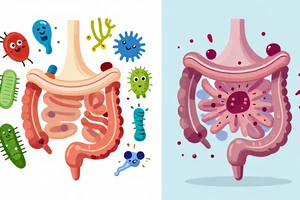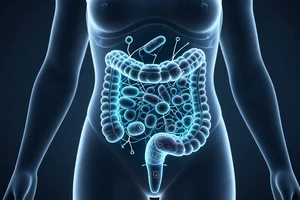
That occasional bloat after a meal, the unpredictable bathroom schedule, the low-grade gurgle that never quite feels right—many of us wave off these signals as normal. But your digestive system has its own way of sending a memo. When the gut microbiome is out of balance—too few beneficial bacteria, too many less-helpful ones—it doesn't stay quiet.
Probiotic foods (live fermented foods packed with friendly bacteria) are one of the most direct ways to support that microbial community. But how do you know if you actually need them? Here are three signs your digestion is asking for more probiotic support, plus the specific foods that can help restore the balance.
1. You're bloated more often than not
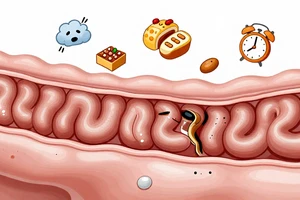
Occasional bloating after a heavy meal is one thing; feeling uncomfortably distended after most meals is another. When your gut lacks a diverse population of good bacteria, the digestive process can become sluggish. Undigested food particles linger longer in the colon, where less-desirable bacteria ferment them, producing gas and that telltale tightness.
Probiotics help crowd out the gas-producing microbes and support the breakdown of food before it reaches the colon. In several small clinical trials, people who took specific probiotic strains (especially Lactobacillus and Bifidobacterium) reported significantly less bloating and abdominal discomfort compared to placebo groups.
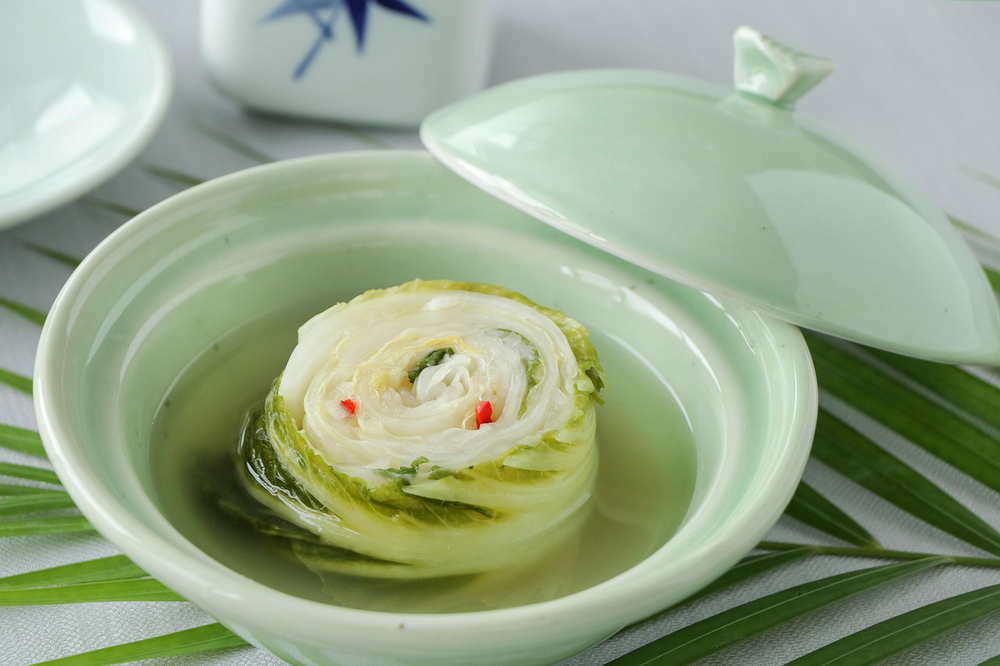
What to eat: Sauerkraut (raw, unpasteurized) and kimchi. Both are cabbage-based ferments that deliver live Lactobacillus bacteria. A ¼-cup serving with lunch or dinner can provide a gentle daily dose. Look for refrigerated jars—heat-treated versions won't contain live cultures.
2. Your bowel movements are irregular (too fast, too slow, or both)
Constipation one week, loose stools the next—or an uncomfortable mix of both in the same day. Your gut microbiome influences the speed of intestinal transit. Beneficial bacteria produce short-chain fatty acids (SCFAs) that signal the intestinal muscles to contract rhythmically. When those SCFA-producing bacteria are low, transit slows down, water gets reabsorbed, and stool becomes hard and infrequent.
On the other end, a disrupted microbiome can also lead to a too-quick transit, where water isn't reabsorbed properly. Probiotics help stabilize that rhythm by supporting the mucus layer and the immune cells that regulate gut motility.
What to eat: Yogurt with live active cultures and kefir (fermented milk drink). Plain Greek yogurt and traditional kefir can contain dozens of bacterial and yeast strains. Aim for unsweetened varieties—added sugar can feed unwanted bacteria. If dairy is an issue, coconut or water kefir offer similar benefits without lactose.
3. You feel a persistent 'brain fog' or low energy after eating
The gut-brain axis is a two-way communication highway. An imbalanced microbiome can produce inflammatory compounds that cross into the bloodstream and affect how you feel mentally. Many people describe a heavy, sluggish sensation after meals—not just sleepiness, but a kind of mental haze that lasts for hours.
Probiotics may help reduce that inflammatory load. Some strains, particularly Lactobacillus helveticus and Bifidobacterium longum, have been studied for their ability to lower stress-related gut symptoms and improve subjective feelings of clarity and calm. While the research is still emerging, the connection between microbial diversity and mood is robust enough that adding probiotic foods is a low-risk step to try.
What to eat: Miso (fermented soybean paste) and tempeh. Miso can be stirred into soups and dressings; just don't boil it afterward or you'll kill the beneficial microbes. Tempeh is a firm, nutty fermented soybean cake that grills beautifully—it's also high in protein and fiber, which further supports gut health.
How to start without overdoing it
Introducing probiotic foods slowly matters. A sudden flood of new bacteria can cause temporary gas or bloating as your system adjusts. Start with one serving per day of a single food—perhaps a few forkfuls of sauerkraut or a small cup of kefir—and increase gradually over two weeks. If you experience persistent discomfort, you may be reacting to histamine in fermented foods (common in sauerkraut and aged cheese) or to the acidity. In that case, try a different strain: yogurt or tempeh tend to be lower in histamine.
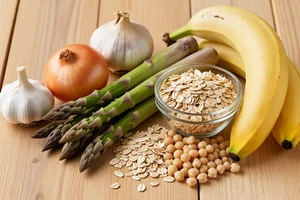
Prebiotic foods—fibers that feed the good bacteria—are also part of the picture. Onions, garlic, leeks, oats, and bananas help the probiotic bacteria thrive once they arrive. It's the combination, not just the bacteria alone, that makes the biggest difference.
All health content on this site is for informational purposes only and is not intended as medical advice. Always consult a qualified healthcare provider with any questions about your digestive health or before making changes to your diet.