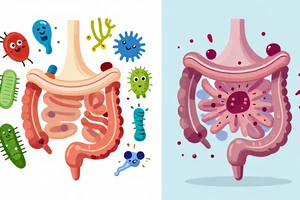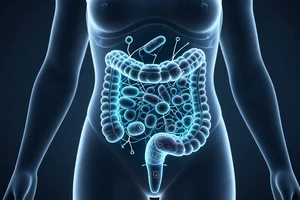
When we talk about gut health, the spotlight often lands on probiotics — the live beneficial bacteria found in yogurt, kimchi, and kombucha. But those friendly microbes need fuel to thrive. That fuel comes from prebiotics, a type of non-digestible fiber that feeds the good bacteria already living in your colon. Without enough prebiotics in your diet, even the best probiotic regimen can fall flat.
Dietitians emphasize that consistency matters more than quantity when it comes to prebiotic intake. Rather than overhauling your entire pantry, the most practical strategy is to weave a few high-impact prebiotic foods into your daily routine. These three foods are widely recommended by registered dietitians for their prebiotic density, versatility, and research-backed effects on gut health.
1. Oats: A Gentle, Daily Source of Beta-Glucan
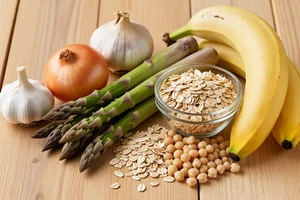
Oats are one of the most accessible prebiotic foods. They contain a specific soluble fiber called beta-glucan, which resists digestion in the small intestine and travels to the colon intact. Once there, beta-glucan serves as a fermentation substrate for beneficial bacteria such as Bifidobacterium and Lactobacillus.
In a 2021 randomized controlled trial published in the Journal of Nutrition, participants who ate 3 grams of oat beta-glucan daily for six weeks showed a significant increase in the abundance of short-chain fatty acid (SCFA)-producing bacteria. SCFAs like butyrate are the primary energy source for colon cells and help maintain the gut barrier.
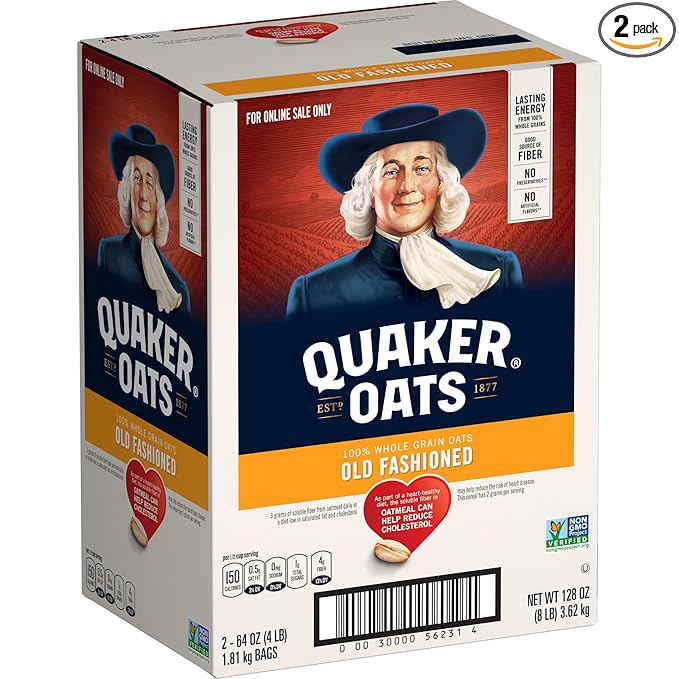
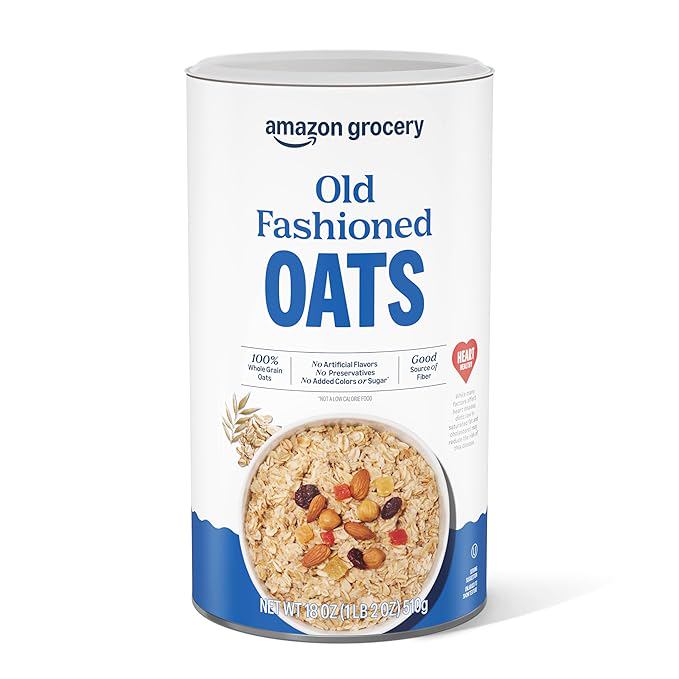
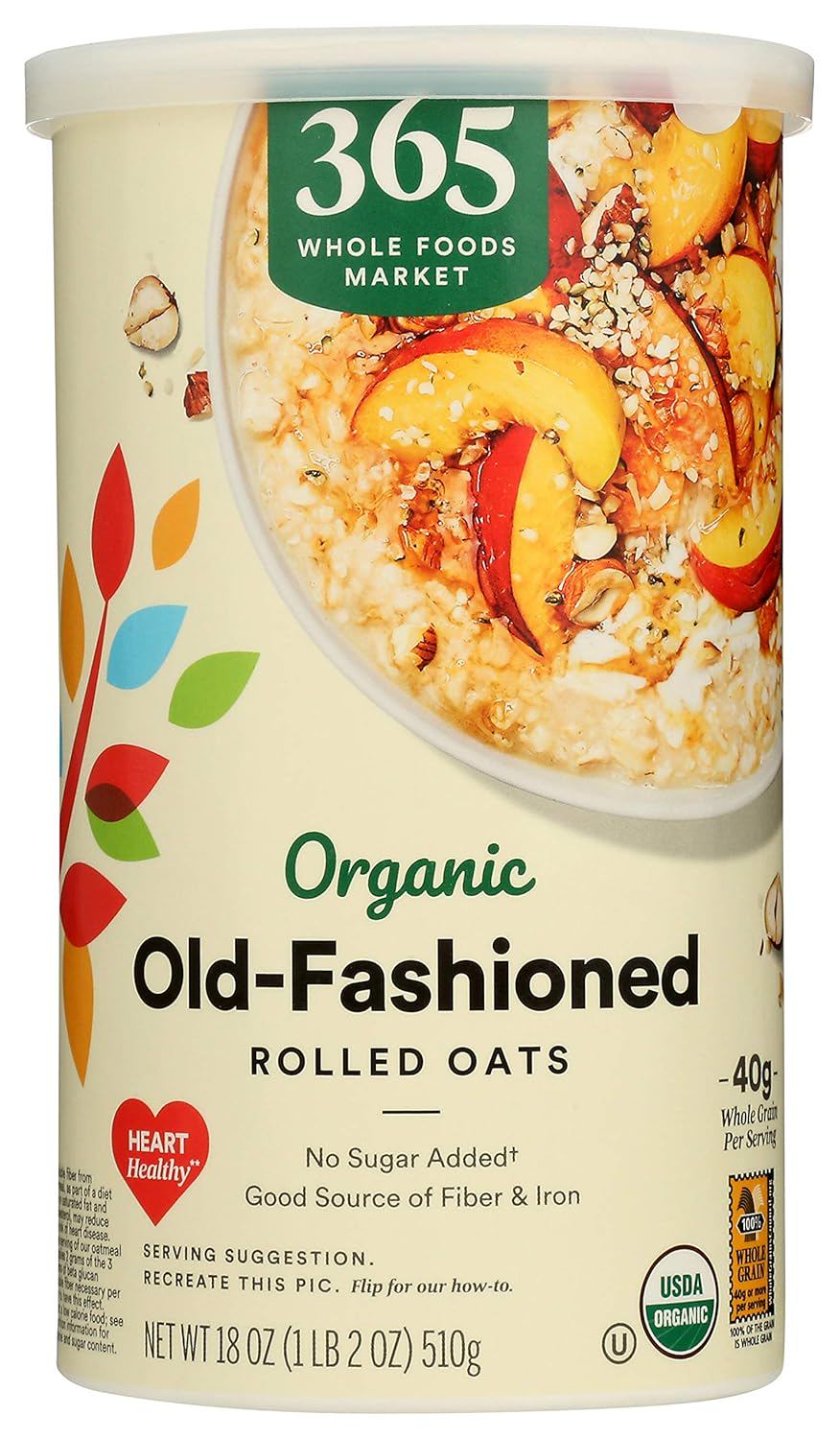
How to eat them daily: Start with a bowl of rolled oats or steel-cut oats for breakfast, not instant packets loaded with added sugar. Add a tablespoon of flaxseeds or a handful of berries for an extra fiber boost without sacrificing taste.
Dietitians note that whole oats are preferable to oat milk as a prebiotic source, because the processing of oat milk often removes some of the fiber. If you use oat milk, look for brands that list whole oat flour or oat groats as the main ingredient and contain at least 3 grams of fiber per serving.
2. Garlic: A Small Amount Goes a Long Way
Garlic contains inulin and fructooligosaccharides (FOS), two of the most well-studied prebiotic fibers. These compounds are not broken down by human enzymes, so they pass through the upper digestive tract intact. In the colon, they selectively stimulate the growth of anti-inflammatory bacteria like Faecalibacterium prausnitzii.
The key with garlic is that you don't need to eat a lot. One or two cloves a day, raw or lightly cooked, can provide a meaningful prebiotic dose. A 2020 review in Nutrients noted that even small amounts of allium vegetables (garlic, onions, leeks) are associated with increased microbial diversity in observational studies.
Dietitians recommend crushing or slicing garlic and letting it sit for 10 minutes before cooking. This activates the enzyme alliinase, which converts alliin into allicin — the compound responsible for both garlic's pungent aroma and some of its health benefits. While allicin itself is not the prebiotic fiber (that's the inulin), the ripening process may improve digestibility for some people.
How to eat it daily: Add minced raw garlic to salad dressings, drizzle roasted garlic over vegetables, or stir it into soups and stir-fries during the last minute of cooking.
One caveat: people with irritable bowel syndrome (IBS) or FODMAP sensitivities sometimes react to the fructans in garlic. In those cases, garlic-infused olive oil (which extracts flavor but not the fermentable fibers) may be a gentler alternative.
3. Under-ripe Bananas: The Resistant Starch Powerhouse
Ripe bananas are fine sources of regular fiber, but it's the green, under-ripe banana that packs a prebiotic punch. As bananas ripen, the resistant starch in their flesh converts to simple sugars. Resistant starch is a type of starch that avoids digestion in the small intestine and enters the colon where gut bacteria can ferment it.
A 2019 study in Food & Function found that consuming one medium green banana per day for 60 days increased SCFA levels and reduced markers of intestinal permeability in healthy adults. The effect was comparable to the prebiotic supplement inulin at similar dosages.
- Go green: Bananas with any green on the peel still contain significant amounts of resistant starch. As the peel turns yellow and develops brown spots, the resistant starch decreases.
- Cooked alternatives: If the texture of raw green banana doesn't appeal to you, you can boil, steam, or mash it into porridge or baked goods without fully losing the resistant starch content.
Dietitians also point out that green banana flour or powder is a convenient way to get resistant starch. Two tablespoons (about 16 grams) of green banana flour provide roughly 4 to 5 grams of resistant starch, which you can add to smoothies, oatmeal, or yogurt.
How to eat it daily: Peel and slice a green banana into a smoothie with spinach and almond milk, or cook slices into oatmeal the way you would cook plantains.
The Practical Bottom Line for Prebiotic Daily Intake
These three foods — oats, garlic, and under-ripe bananas — cover the major categories of prebiotic fibers: beta-glucan, inulin/FOS, and resistant starch. They are also widely available and affordable, and they don't require supplements.
Dietitians stress that you should aim for gradual increases in prebiotic fiber, especially if your current diet is low in vegetables and whole grains. Starting with half a cup of oats, one clove of garlic, and a small green banana per day will likely cause fewer digestive side effects than a sudden fiber bomb. Bloating and gas are common when the gut microbiome adjusts to more fermentable fibers; this usually subsides within one to two weeks.
Pair these prebiotic foods with fermented foods (probiotics) for a comprehensive gut health strategy. A simple pattern might be: oatmeal with a splash of kefir for breakfast, salad with garlic-lemon dressing for lunch, and an afternoon snack of green banana slices with almond butter. This way, you are feeding both the bacteria themselves and the substrate they need to produce beneficial metabolites.