Many people who care about their health have been taught that antioxidants are powerful defenders against aging, inflammation, and chronic disease. So it makes sense that when a busy schedule makes it hard to eat as many berries and leafy greens as we'd like, antioxidant supplements seem like a convenient shortcut. But the science on supplements is more complicated than the marketing suggests. In fact, relying on pills instead of food can sometimes work against the very goals you're trying to achieve. Here are three common misconceptions about antioxidant supplements that could quietly sabotage your healthy diet.
Myth 1: More Antioxidants Are Always Better
It feels intuitive: if antioxidants are good for you, taking extra must be even better. However, the body operates on a principle of balance, not excess. Antioxidants work by neutralizing free radicals—unstable molecules that can damage cells. But free radicals aren't all bad; they play essential roles in immune function and cellular signaling. When you flood your system with high-dose supplements, you can blunt these natural processes. Some large-scale clinical trials have even found that certain antioxidant supplements, such as high-dose beta-carotene or vitamin E, were associated with increased health risks in specific populations. Getting your antioxidants from whole foods ensures you consume them in the balanced ratios nature intended, alongside fibers and co-factors that help your body use them wisely.
Myth 2: Supplements Can Replace the Benefits of Fruits and Vegetables
A capsule may contain isolated vitamins like C, E, or beta-carotene, but it cannot replicate the full chemical complexity of a blueberry or a handful of spinach. Whole plant foods contain thousands of bioactive compounds—polyphenols, flavonoids, and carotenoids—that work synergistically. Studies consistently show that people who eat a diet rich in fruits and vegetables have lower risks of heart disease, stroke, and certain cancers. Yet when researchers isolate those same nutrients into supplement form, the protective effects often vanish—and occasionally reverse. This does not mean supplements are useless; they have a place for addressing deficiencies. But they cannot replicate the protective matrix of whole foods. If you are relying on a supplement to make up for a poor diet, you may be missing the broader protective effects that only real food provides.
Myth 3: All Antioxidant Supplements Are Safe Because They Are Natural
The word "natural" carries a reassuring glow, but natural substances can still be potent, especially in concentrated form. Fat-soluble antioxidants like vitamins A, D, E, and K can accumulate in the body and reach toxic levels when over-supplemented. Even water-soluble vitamin C can cause digestive upset, kidney stone formation in susceptible individuals, or interfere with certain medical tests and treatments when taken in high doses. Additionally, antioxidant supplements can interact with prescription medications. For example, vitamin E can thin the blood and increase bleeding risk in people taking anticoagulants. The assumption that a supplement is harmless because it comes from a plant ignores the reality that dosage, concentration, and purity all matter greatly.
A Smarter Approach to Antioxidants
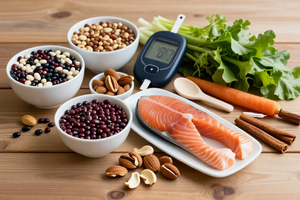
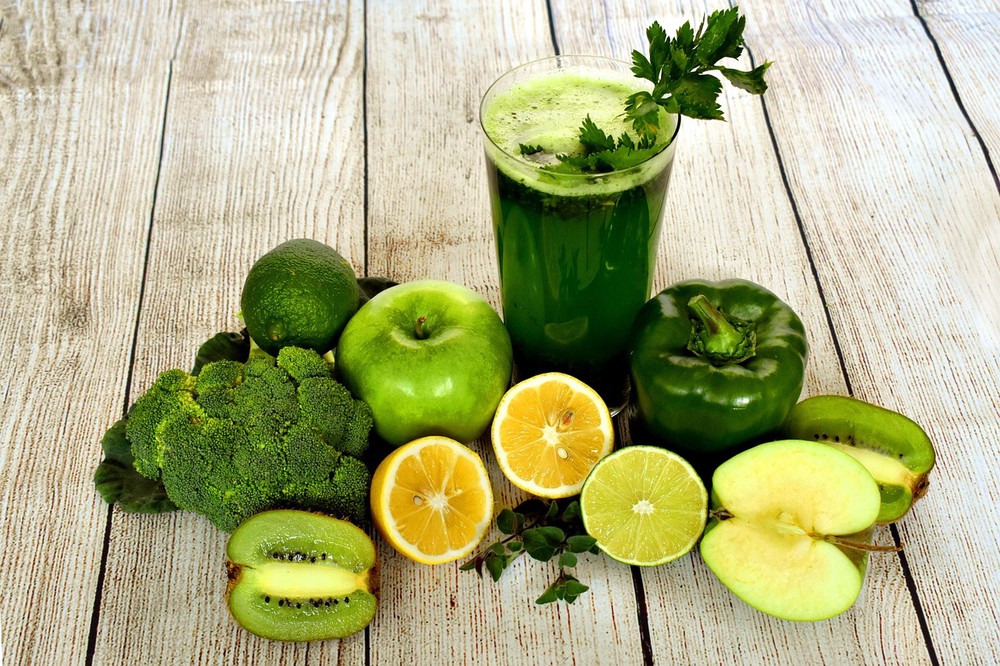
The most reliable way to support your body's antioxidant defenses remains a diet built around colorful fruits, vegetables, whole grains, nuts, and legumes. Each meal is an opportunity to eat a rainbow: dark leafy greens, bright red peppers, deep purple berries, orange sweet potatoes, and crunchy cruciferous vegetables. If you are concerned that your diet is falling short, consider working with a registered dietitian or your healthcare provider before reaching for a bottle. They can help you identify actual gaps in your nutrition and recommend targeted supplementation only when necessary—in a dose that supports, rather than undermines, your healthy eating habits.