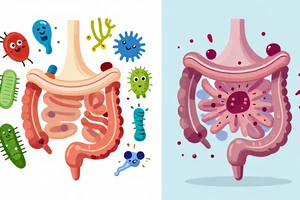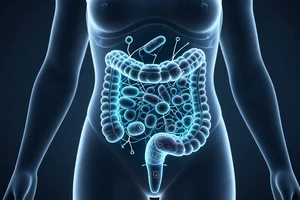

You have probably heard by now that the gut and the brain talk to each other. This two-way communication system, often called the gut-brain axis, influences everything from your mood and mental clarity to digestion and immune function. What you sip throughout the day can either strengthen that connection or throw it off balance.
Researchers have identified several beverages that appear to support this axis by promoting a healthy gut microbiome, reducing inflammation, or supplying compounds that directly benefit the nervous system. Below are three science-backed drinks you can add to your routine without a lot of fuss.
1. Fermented dairy drinks (kefir and yogurt-based beverages)
Fermented dairy has been a staple of traditional diets for centuries, and modern studies confirm why. Kefir, in particular, is a rich source of live bacteria and yeasts that can populate your gut with beneficial microbes. A 2021 review in Nutrients highlighted that the probiotics in fermented dairy may reduce anxiety-like behavior and improve stress responses in both animal and human trials.
The gut-brain link here is direct: a balanced microbiome produces more short-chain fatty acids and neurotransmitters like serotonin and GABA, which affect mood regulation. Yogurt-based drinks (especially plain, unsweetened varieties) offer similar benefits, though kefir typically contains a wider array of microbial strains.
Pro tip: Choose plain, unflavored kefir or yogurt drinks to avoid added sugars that can feed less desirable gut bacteria. A small glass (4–6 ounces) a day is a reasonable starting point.
2. Caffeinated tea (especially green or black tea)
Tea is more than a gentle caffeine lift. Polyphenols in green and black tea act as prebiotics — fuel for the good bacteria living in your colon. A 2019 study in Molecular Nutrition & Food Research found that regular tea consumption increased the abundance of beneficial bacteria like Bifidobacterium and Lactobacillus in the human gut. Those bacterial shifts were linked to lower markers of inflammation and improved cognitive function in older adults.
Additionally, the amino acid L-theanine in tea promotes calm alertness by boosting alpha brain waves. That combination — prebiotic support for the microbiome plus a direct calming effect on the brain — makes unsweetened tea a smart daily habit.
If you are sensitive to caffeine, you can still get many of the prebiotic benefits from decaffeinated green or black tea, though some polyphenols are lost during processing.
3. Beetroot juice
Beetroot juice has gained attention for its ability to boost nitric oxide production, which improves blood flow and oxygen delivery. While that might sound like a cardiovascular benefit, it matters for the brain too. A 2020 meta-analysis in Nutrition Reviews concluded that dietary nitrate from beetroot juice can enhance cerebral blood flow, particularly in the frontal lobe — the area responsible for decision-making and focus.
The gut connection comes from beetroot’s fiber and polyphenols, which act as prebiotic substrates. When gut bacteria metabolize beetroot nitrates, they also produce compounds that support the gut lining and reduce inflammation. This dual action — supporting blood flow to the brain while nurturing the microbiome — places beetroot juice in a unique position for gut-brain health.
Start with a small serving (about 4 ounces) to let your digestive system adjust, as beetroot is high in oxalates and can cause mild stomach upset in some people.
How to incorporate these drinks into your day
You do not need to overhaul your entire beverage lineup. Think of these as alternatives to sugary sodas or overly processed juice drinks:
- Morning: Swap your second cup of coffee for a cup of green tea.
- Afternoon: Enjoy a small glass of unsweetened kefir as a snack.
- Pre-workout or mid-day slump: Try diluted beetroot juice (half water, half juice) for a gentle energy lift.
As with any dietary shift, pay attention to how your body responds. The science is promising, but individual tolerance varies — especially with high-oxalate foods or probiotic-rich products.