
The gut microbiome is a living ecosystem, and like any ecosystem, it responds to what you feed it. After a night of fasting, breakfast offers a prime opportunity to nourish beneficial bacteria. Instead of reaching for refined grains or sugary cereals that can feed less desirable strains, these three breakfast options are designed to support microbial diversity and restore balance without complicated protocols.
What matters most is not a single "superfood" but the consistent inclusion of prebiotic fibers (food for bacteria) and fermented foods (direct sources of live microbes). Each of these meals works through a slightly different mechanism, giving you options to rotate throughout the week.
1. Fermented Oat Bowl with Berry Compote
Overnight oats get a microbiome upgrade when you introduce a fermentation step. Soaking rolled oats in a spoonful of yogurt or a splash of kefir overnight allows lactic acid bacteria to begin breaking down the starches and phytic acid, making the oats easier to digest and increasing the availability of short-chain fatty acids—fuel for colonocytes.
How to build it
- Use ½ cup rolled oats, ⅓ cup plain whole-milk yogurt or kefir, and enough water to cover. Stir, cover, and leave at room temperature for 8–12 hours (or overnight in the fridge for a milder tang).
- In the morning, cook gently on the stovetop or microwave until warm. Top with a compote made by simmering ½ cup frozen berries with 1 tablespoon chia seeds and a teaspoon of maple syrup.
Why it works: The overnight fermentation introduces Lactobacillus and Bifidobacterium strains, while the berries and chia seeds provide polyphenols and soluble fiber that act as prebiotics. This combination encourages the growth of butyrate-producing bacteria.
2. Savory Sautéed Greens with Tempeh and Sweet Potato
Not all gut-healthy breakfasts need to be sweet. A savory plate built around resistant starch and fermented soy delivers a completely different set of microbial benefits. Tempeh, unlike tofu, undergoes a fermentation process using Rhizopus mold, which produces natural vitamin B12 and reduces antinutrients—making its protein and minerals more bioavailable.
How to build it
- Cube one small sweet potato (skin on for extra fiber) and roast at 400°F with olive oil and paprika until tender, about 25 minutes. Alternatively, cook and cool it the night before; cooling increases resistant starch content.
- Thinly slice 4 ounces of tempeh and pan-fry in a little coconut oil until golden on each side. Sauté a generous handful of kale or Swiss chard in the same pan with garlic and a splash of apple cider vinegar.
- Combine on a plate. Optionally top with a soft-boiled egg for additional satiety.
Why it works: Cooked and cooled sweet potato contains resistant starch that resists digestion in the small intestine and instead ferments in the colon, feeding Faecalibacterium and Roseburia species. Tempeh provides both live fermentation byproducts and a prebiotic fiber called raffinose.
3. Coconut Kefir Smoothie with Hemp Seeds and Green Banana Flour
For mornings when time is tight, a liquid breakfast can still deliver a meaningful microbial boost—if it's built around the right ingredients. Commercial kefir from cow's milk works, but coconut milk kefir offers a dairy-free alternative rich in a broader range of yeast and bacterial strains. Adding green banana flour (available in most natural food stores) introduces a concentrated source of resistant starch that most gut-healthy smoothies lack.
How to build it
- Blend 1 cup unsweetened coconut milk kefir (or plain kefir if dairy is tolerated), 1 small frozen banana, 2 tablespoons hemp seeds, and 1½ tablespoons green banana flour.
- Add a pinch of cinnamon and a handful of ice. Blend until smooth. Drink immediately.
Why it works: Coconut kefir delivers live probiotic strains including Lactobacillus kefiri and Saccharomyces yeasts. Hemp seeds provide magnesium and omega-3s that support a healthy gut lining. The green banana flour—essentially unripe banana ground into powder—is one of the highest dietary sources of resistant starch type 2, which specifically feeds Eubacterium rectale and Bacteroides thetaiotaomicron.
Practical Tips for Sustaining Results
Restoring bacterial balance isn't about any single breakfast—it's about building a pattern. Consider these supporting habits:
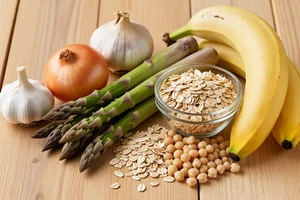
- Rotate food sources: Different bacteria prefer different types of fiber. Eating a variety of prebiotics (inulin from chicory, resistant starch from cooked-cooled potatoes, beta-glucan from oats) ensures a more diverse microbiome.
- Introduce changes gradually: If you are not used to high-fiber or fermented foods, start with half portions. A sudden increase can cause bloating as the microbial population adjusts.
- Pair with mindful eating: Chewing thoroughly and eating without rush supports the cephalic phase of digestion, signaling the gut to prepare enzyme production.
A note on progress: Improvements in digestion, energy, and regularity often appear within two to four weeks of consistent prebiotic and probiotic intake. If symptoms persist or worsen, consulting a gastroenterologist or registered dietitian is advisable.
Each of these breakfasts takes under fifteen minutes of active prep. By choosing one to three times per week, you provide your microbiome with the raw materials it needs to shift toward a more balanced, resilient community.