
You finished your run, stretched your hamstrings, and even rolled out your quads. But that nagging knot in your neck still won't let go. While tight traps are often blamed on posture or form, what you eat in the hours after your cool-down might be making the problem worse.
Sports dietitians point to three common foods that can aggravate muscle tension—especially in the neck and shoulders—by promoting inflammation or interfering with recovery. Here’s what to skip if you want your neck to feel as good as the rest of your body.
1. Processed deli meats and cured snacks
That turkey-and-ham wrap you grabbed post-run is convenient, but the nitrates and high sodium in processed meats can do more than raise your blood pressure. Nitrates are known vasodilators, meaning they widen blood vessels, which for some people triggers a headache or a sensation of pressure in the neck and head. Meanwhile, excess sodium can lead to fluid retention, stiffening the soft tissues around the cervical spine.
Instead, dietitians suggest fresh sources of lean protein like grilled chicken, tofu, or hard-boiled eggs. If you want the convenience of a wrap, fill it with leftover roasted turkey (not deli slices), avocado, and plenty of greens.
2. Sugary sports drinks and sodas
You lost electrolytes through sweat, so it’s natural to reach for a brightly colored sports drink. But many contain high-fructose corn syrup or refined sugar—and that’s a problem for muscle recovery. Spikes in blood sugar trigger an inflammatory cascade that can amplify existing muscle soreness, including in the neck and upper back.
“After a hard run, your nervous system is already on high alert,” says one registered dietitian who works with endurance athletes. “Adding a sugar bomb forces your body to deal with an inflammatory response on top of repairing muscle tissue.”
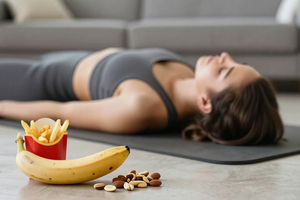
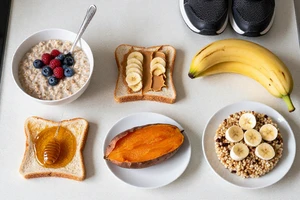
Better options: coconut water, tart cherry juice (which is naturally anti-inflammatory), or plain water with a pinch of salt and a squeeze of lemon. If you need a quick carb refuel, a banana or a small sweet potato works without the sugar spike.
3. High-sodium restaurant meals (even ‘healthy’ ones)
You stopped by the salad bar or ordered a grain bowl thinking you were making a smart post-run choice. But many restaurant soups, dressings, and pre-made bowls are loaded with sodium—sometimes more than 1,500 mg per serving. Excess sodium encourages your muscles to hold onto water, creating a feeling of stiffness and swelling that can settle right into the neck and shoulders.
The fix is subtle: read the nutrition info when available, and ask for dressings and sauces on the side. Better yet, prep a simple post-run meal at home—a quinoa bowl with roasted vegetables, black beans, and a squeeze of lime gives you the same satisfaction without the hidden salt.
Why the neck? A quick look at the connection
It might seem odd that a deli sandwich or a sugary drink could specifically tighten your neck. The explanation lies in the upper trapezius and levator scapulae muscles, which are especially reactive to systemic inflammation. When you eat inflammatory foods, your body mounts an immune response that can irritate nerve endings and make muscles feel tighter, not just in your legs but along the entire kinetic chain. For runners who already hold tension in their shoulders, this effect gets magnified.
A sports dietitian I spoke with put it plainly: “Your neck is like the canary in the coal mine for inflammation. If something you eat causes a systemic response, it often shows up there first.”
What to eat instead for a relaxed recovery
To calm inflammation and support muscle repair, reach for foods that are rich in omega-3s, magnesium, and antioxidants. These nutrients directly counteract the processes that tighten neck muscles:
- Fatty fish (salmon, sardines) or a clean fish oil supplement
- Dark leafy greens like spinach or kale in a smoothie or sauté
- Nuts and seeds—especially almonds, walnuts, and pumpkin seeds for magnesium
- Tart cherries or blueberries for their anthocyanin content
Timing matters, too. Aim to eat a balanced recovery meal within 60 to 90 minutes after your run. This window is when your muscles are most receptive to nutrients, and it gives you a chance to crowd out the foods that could cause trouble.
One final note: stay hydrated, but don't overdo it on plain water alone. You need electrolytes—especially potassium and magnesium—to help your muscles relax. A magnesium-rich snack like a banana with almond butter can do more for your neck than any stretch.