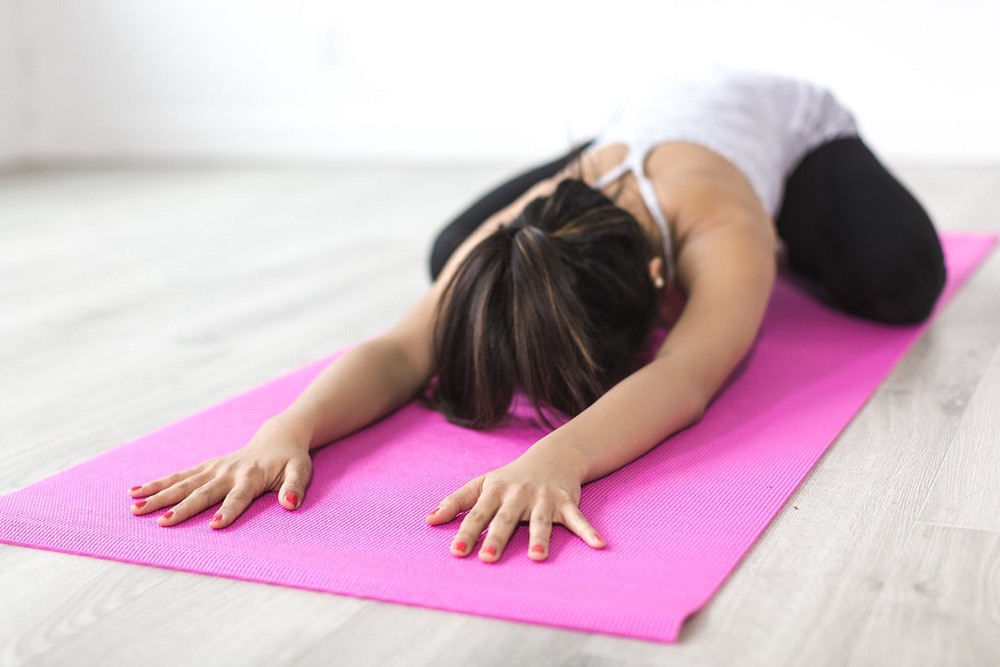
Back pain can make even the simplest movements feel like a challenge, and the idea of stepping onto a yoga mat might seem counterintuitive. However, a thoughtful, modified practice can often bring relief rather than strain. The goal is not to push through discomfort, but to work with your body’s current limits, using the breath as a guide for when to hold steady and when to back off.
Below are three expert-backed strategies for modifying common yoga poses when your back is hurting. These adjustments prioritize spinal comfort and stability, helping you maintain a safe practice without sacrificing the benefits of the asanas.
1. Support the spine with props and a shorter stance
Forward folds and standing poses often aggravate a sensitive back, particularly if the hamstrings are tight or the lower back is forced to round. The fix is to create length and support so the spine can relax.
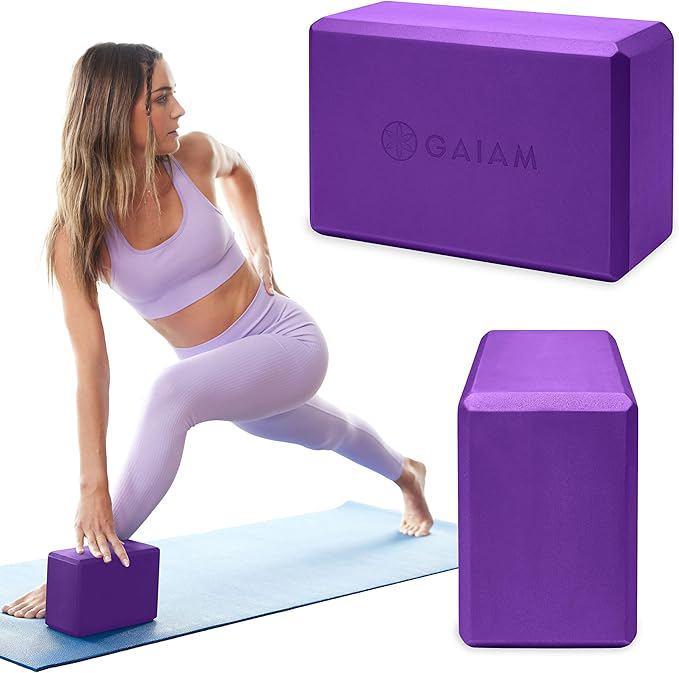
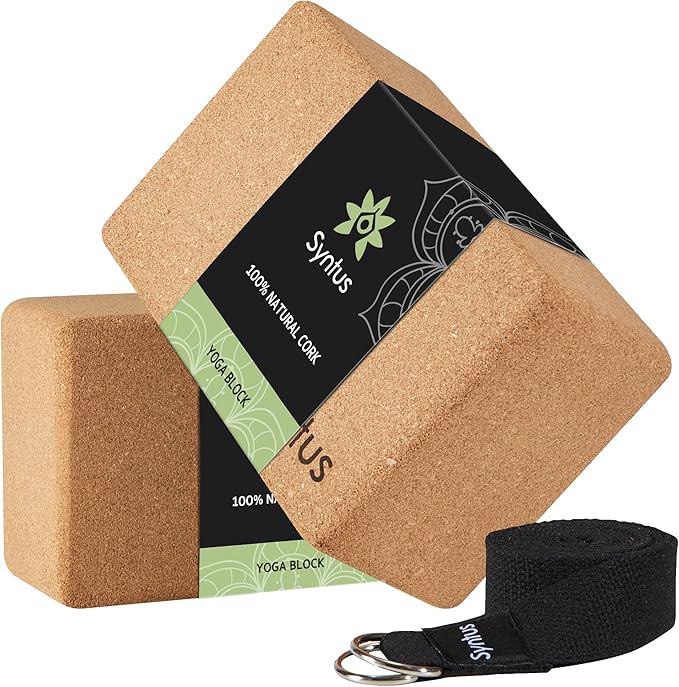
For forward folds (Uttanasana or Paschimottanasana): Place your hands on blocks, a chair seat, or even your thighs rather than reaching for the floor. Keep a soft bend in the knees to release the lower back. The emphasis should be on lengthening the front of the torso, not on how deep the fold appears. Think of the spine as a long, gentle curve rather than a sharp hinge.
For standing poses (such as Trikonasana or Parsvakonasana): Shorten your stance by bringing the feet closer together. Use a block under the bottom hand to avoid side-bending into the lower back. Keep the core gently engaged to support the lumbar spine. If a pose causes a pinching sensation, back off immediately and focus on stability over range of motion.
Short-term modification for flares: Try Supta Padangusthasana (reclining big toe pose) with a strap around the foot. This stretches the hamstrings and hips while keeping the spine fully supported on the floor.
2. Replace backbends with gentle chest openers over the mat
Traditional backbends like Cobra (Bhujangasana), Upward-Facing Dog (Urdhva Mukha Svanasana), and Wheel (Urdhva Dhanurasana) involve significant lumbar compression for many people. When back pain is present, these poses often do more harm than good.
The smarter alternative: Opt for supported, passive chest openers. Lie on your back with a rolled blanket or bolster placed lengthwise under your spine, from the tailbone to the back of the head. Let your arms rest out to the sides in a T-shape. This creates a gentle opening across the pectorals and front ribs without any active back bending. Alternatively, a supine spinal twist (Jathara Parivartanasana) with knees stacked and both shoulders grounded can release the mid-back without flexing or extending the lower spine.
How to modify a gentle twist
- Extend the top leg straight and rest it on a block or bolster to keep the pelvis stable.
- Keep both shoulders flat on the mat—do not let the top shoulder lift to chase the twist.
- Breathe deeply into the ribs for 30–60 seconds, then switch sides.
3. Use wall support for inversions and balances
Both inversions and balance poses require core stability and spinal integrity. When back pain limits your range, the wall is your best friend. It removes the fear of falling and allows you to focus on alignment without strain.
Legs-Up-the-Wall (Viparita Karani) is a restorative inversion that can ease lower back tension and improve circulation, but it requires a slight modification. Sit sideways against the wall, then lie back and swing your legs up. Slide a folded blanket under your hips to elevate them slightly—this reduces the tug on the hamstrings and lumbar spine. Hold for 5–10 minutes, focusing on release.
For standing balances like Vrksasana (Tree Pose): Practice with your back against the wall or near a countertop for easy hand support. Place the foot of the bent leg on the calf (never the knee joint). If balance feels wobbly, keep the toes of the standing leg slightly turned out for a wider base. The key is to keep the pelvis level and the core lightly engaged—do not allow the ribcage to tilt forward.
These three strategies are meant to be building blocks. Listen to your body—if a modification still causes pain, skip the pose entirely and choose a different asana that serves you today. Consistency over intensity is the real practice when the back is speaking up.



![Tumaz Yoga Strap/Stretch Bands [15+ Colors, 6/8/10 Feet Options] with Extra Safe Adjustable D-Ring Buckle, Durable and Comfy Delicate Texture - Best for Daily Stretching, Physical Therapy, Fitness](https://www.glowtheorylab.com/uploads/ad202604/d62cf3b7330d7d4a.webp)