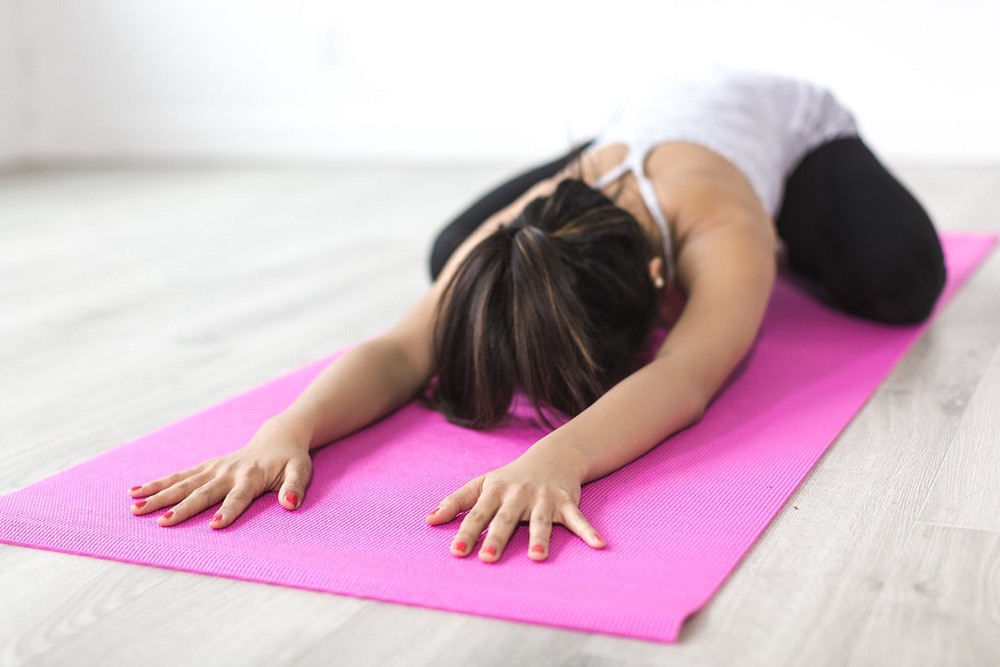
Feeling lightheaded during a yoga practice is unsettling, especially for older adults. A shift in blood flow, a change in inner ear fluids, or even a slight dip in blood sugar can make the world spin when you move from a forward fold into a standing pose. While dizziness has many causes—and your doctor is the best person to rule out something serious—what you drink before and after your practice can play a supporting role in keeping you stable.
Here are three evidence-friendly drinks that may help reduce dizziness during yoga, with a focus on the specific needs of older bodies.
1. Water with a pinch of salt (an oral rehydration helper)
Dehydration is one of the most common triggers for dizziness, and older adults have a blunted thirst response—meaning you may not feel thirsty even when your fluid levels are already low. Plain water is fine for everyday sipping, but when you sweat during yoga, you lose water and electrolytes, especially sodium.
Tip: In a 16-ounce glass of water, stir in a tiny pinch of high-quality sea salt (about 1/16 teaspoon) or a squeeze of lemon. This mirrors the sodium concentration of many oral rehydration solutions and helps your body hold onto the fluid rather than quickly peeing it out.
The sodium helps maintain blood volume and blood pressure stability, which matters when you transition from a seated pose to standing. If you have high blood pressure or are on a sodium-restricted diet, talk with your healthcare provider before adding salt to your water. A sugar-free electrolyte tablet (without artificial colors) is another easy option for balancing fluids.
2. Ginger tea (a natural nausea and motion-sickness soother)
Dizziness and nausea often travel together. That woozy, off-balance feeling can come from the vestibular system (the inner ear's motion sensors), and ginger has a long track record for calming that exact type of queasiness. Several small studies suggest that ginger can reduce symptoms of motion sickness and vertigo by blocking certain receptors in the gut and brain that trigger the spinning sensation.
Unlike sugary sports drinks or caffeinated teas, ginger tea is gentle on an aging stomach and doesn't cause blood sugar swings. You can use fresh ginger root (steep a few thin slices in hot water for 5–7 minutes) or choose a high-quality, low-acid ginger tea bag. Drink it warm about 20–30 minutes before your practice, or sip it slowly afterward if you still feel slightly unsteady.
Important note: Ginger can interact with blood thinners like warfarin. If you take any medication that affects clotting, check with your doctor before making ginger tea a regular part of your pre-yoga routine.
3. Tart cherry juice (a blood-pressure stabilizer)
Tart cherry juice is rich in polyphenols and natural nitrates that support healthy blood vessel flexibility. For older adults, drop in blood pressure (orthostatic hypotension) is a frequent cause of dizziness when moving from lying or seated poses to standing ones. The compounds in tart cherry juice may help your blood vessels respond more efficiently to postural changes, reducing that split-second spin when you rise into mountain pose.
One small study published in the Journal of the International Society of Sports Nutrition found that tart cherry juice improved blood pressure recovery after exercise in older participants. The juice also has anti-inflammatory properties, which can ease joint stiffness and muscle soreness—making your yoga practice feel smoother overall.
- How to use it: Mix 2–3 ounces of unsweetened tart cherry juice with water (the pure juice is strong and tart). Sip it about 30 minutes before class.
- Caveat: Most tart cherry juice contains natural sugar. If you are managing diabetes or prediabetes, use a small amount diluted in sparkling water, and check your blood sugar response.
General tips for preventing dizziness during yoga
A drink alone won't solve every dizzy spell. Consider these companion strategies:
- Don't skip the warm-up. Slow, mindful movements give your cardiovascular system time to adjust.
- Avoid sudden head lifts. Rise from forward folds with your head as the last thing to come up—lead with the chest.
- Stay hydrated through the whole day, not just 10 minutes before class. Sip water steadily from breakfast onward.
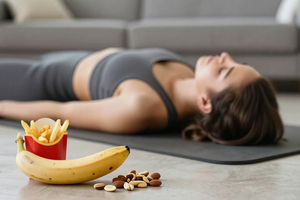
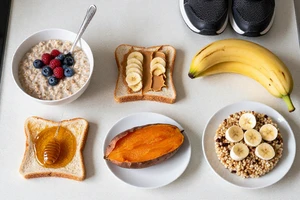
- Eat a small snack an hour before yoga. A banana or a handful of almonds can maintain stable blood sugar.
Dizziness during yoga is your body's way of signaling that something needs attention. These three drinks—electrolyte-balanced water, ginger tea, and tart cherry juice—offer gentle, natural support for staying grounded on the mat. Listen to what your body tells you, and always consult your doctor before making significant changes to your hydration or supplementation routine.