
Low back pain is one of the most common discomforts during pregnancy, often creeping in as the belly grows and the body’s center of gravity shifts. For prenatal yoga students, the practice itself is already a powerful tool, but what you do between classes matters just as much. Integrating small, intentional habits into your daily routine can make a significant difference in how your back feels from week to week.
These three habits are not about adding more to your plate. They are about working smarter with your body’s changing mechanics. Each one is rooted in the principles you already explore in yoga: alignment, breath, and mindful movement. Here is how to weave them into your day, whether you are at home, at work, or on the go.
Habit One: The Diaphragmatic Breathing Reset (Do This Multiple Times a Day)
When you feel tension creep into your lower back, your nervous system is often on high alert. Shallow chest breathing reinforces that tension, keeping the muscles around your spine tight. Diaphragmatic breathing—sometimes called belly breathing—is the antidote. It activates the parasympathetic nervous system, which encourages the deep back muscles to release.
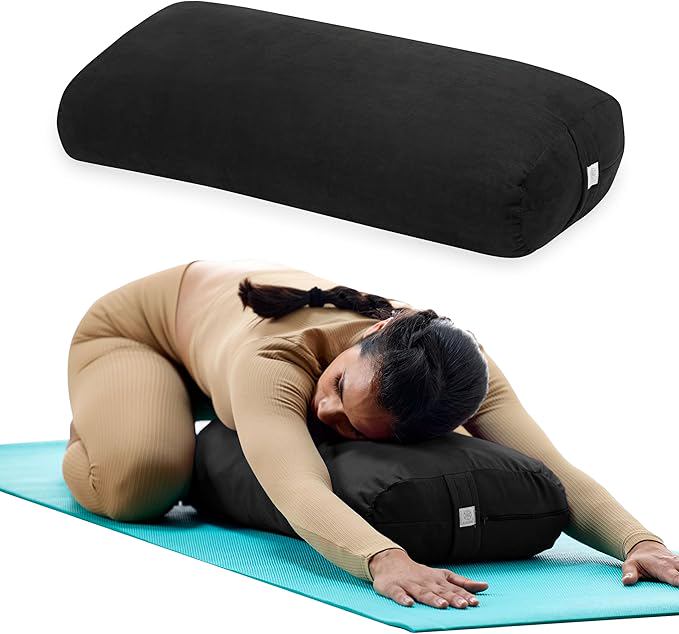
Set a gentle reminder on your phone for three times a day: mid-morning, after lunch, and late afternoon. Find a comfortable seated position—on a chair with your feet flat on the floor or cross-legged on a cushion with your sit bones elevated. Place one hand on your belly and one on your rib cage. Breathe in slowly through your nose, letting your belly expand like a balloon. Exhale through your mouth with a soft sigh, feeling your belly fall. Keep the ribs relatively still; the movement should be low and wide.
Aim for five to eight full breaths during each reset. This is not a lengthy meditation—it is a quick recalibration for your spine and your stress levels.
Over time, this habit trains your body to stop bracing against gravity and instead work with support from your core and pelvic floor.
Habit Two: The Side-Lying Hip and Glute Release (A Gentle Pre-Bed Sequence)
Many prenatal back pain actually originates from tight hips and weak glutes. When the gluteal muscles are overworked or shortened, they pull on the pelvis, tilting it forward and increasing the curve in your lower back. A daily side-lying release helps undo that pattern without putting pressure on your belly.
Lie on your left side with a pillow between your knees and a small rolled towel under your belly for support if needed. Bend both knees to about 90 degrees. Keep your spine neutral—not curled forward or arched back—by imagining a straight line from your ear through your shoulder to your hip. Slowly raise your top knee toward the ceiling, keeping your feet together, until you feel a gentle stretch in the outer hip. Hold for 20 to 30 seconds, then lower. Repeat on the right side.
You can follow this with a simple glute squeeze: from the same side-lying position, keep both knees bent and squeeze your top glute as you press your top knee back slightly (as if closing a clam shell). Hold for five seconds, release, and repeat eight to ten times per side. This is not strenuous exercise; it is a low-threshold activation that reminds your glutes to support your pelvis instead of letting your lower back take over.
Perform this sequence each evening, or even during a midday rest. It takes under five minutes and can dramatically reduce morning stiffness.
Habit Three: The Seated Cat-Cow (For Desk Time and Car Rides)
Sitting for long stretches is particularly hard on a pregnant body. The lower back compresses, the psoas muscle shortens, and the rib cage tends to collapse forward. Full cat-cow on hands and knees is often uncomfortable in later pregnancy, but a seated version is accessible anywhere.
Sit upright in a sturdy chair with feet hip-width apart and flat on the floor. Place your hands on your thighs, close to your knees. Inhale as you gently arch your spine, push your chest forward, and let your belly relax. Keep your shoulders down—do not let them hike up to your ears. Exhale as you round your spine, tucking your chin toward your chest and drawing your navel slightly in (without compressing your belly). Move slowly, coordinating each movement with a full breath.
Repeat five to eight rounds. The key is to move from the pelvis, not just the upper back. Imagine your tailbone reaching toward the chair behind you on the inhale, and curling under on the exhale. This restores mobility to the lumbar spine and counteracts the forward slump that builds up over a day of sitting.
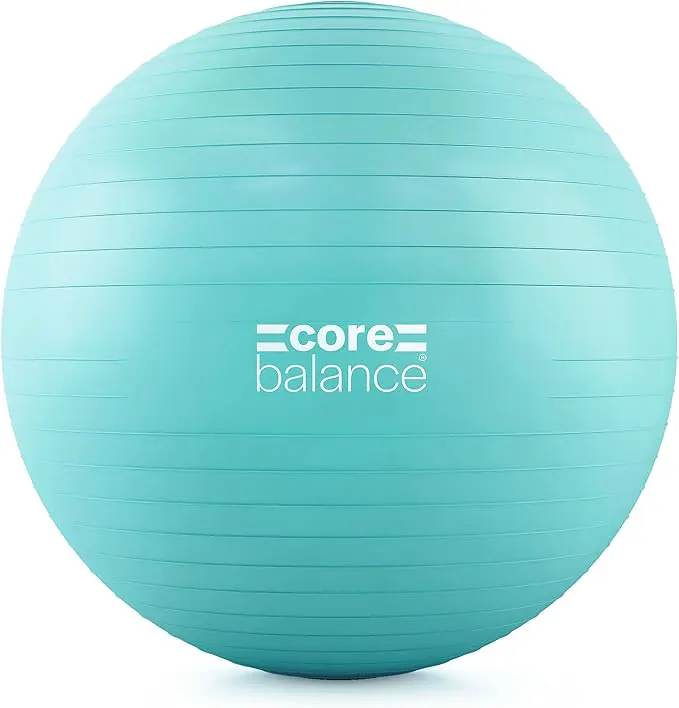
If you have access to a stability ball, you can do the same movement sitting on the ball—it adds a gentle bounce that further mobilizes the pelvis. But a standard chair works perfectly well.
These three habits share a common thread: they are brief, repeatable, and designed to fit into the natural rhythms of your day. They do not require a yoga mat, special props, or a block of free time. Consistency matters more than duration. A two-minute diaphragmatic reset three times a day is far more effective for back pain than one long session once a week.
As always, listen to your body. If any movement causes sharp pain, stop and consult your healthcare provider or a prenatal physical therapist. These habits are intended to complement your prenatal yoga practice, not replace medical guidance. With steady practice, you may find that your back feels more supported, your breath deeper, and your yoga practice more grounded.