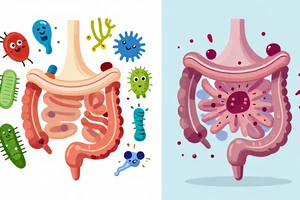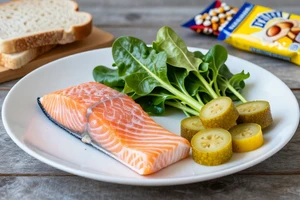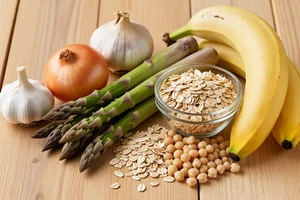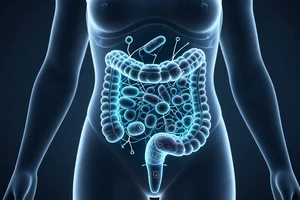

Your gut microbiome is a living ecosystem, and just like a garden, its health depends on daily tending. For older adults, this ecosystem faces natural changes that can make it more vulnerable. While we often talk about what to add to a diet for better gut health (fiber, fermented foods, probiotics), it is just as important to recognize the quiet, everyday habits that may be slowly disrupting microbial balance.
Small routines—things you might do without a second thought—can have an outsized impact on the diversity and resilience of your gut bacteria. Here are three daily habits that seniors should consider adjusting to better protect their microbiome, along with practical, natural alternatives.
1. Relying on proton pump inhibitors (PPIs) or antacids for minor heartburn
Chronic heartburn and acid reflux become more common with age, making medications like omeprazole, lansoprazole, and esomeprazole some of the most prescribed drugs for seniors. These proton pump inhibitors (PPIs) work by drastically reducing stomach acid production. The problem? Stomach acid is not just for digesting food—it is a critical first line of defense against harmful bacteria entering the gut.
When acid levels drop, the stomach becomes a friendlier environment for pathogens we might ingest. Over time, this can alter the composition of the gut microbiome, reducing beneficial species and allowing opportunistic bacteria to flourish. Research has linked long-term PPI use to an increased risk of Clostridioides difficile infections, nutrient malabsorption (especially vitamin B12, calcium, and magnesium), and small intestinal bacterial overgrowth (SIBO).
If you experience occasional heartburn, consider lifestyle adjustments before reaching for daily medication. Eating smaller meals, avoiding food within three hours of bedtime, and identifying trigger foods (like spicy dishes, citrus, or tomato sauce) often provide relief without drug side effects.
For those who have been on PPIs for years, talk to your doctor about a structured tapering plan. Do not stop abruptly, as rebound hyperacidity can be severe. A heartburn diary can help you and your healthcare provider distinguish between occasional discomfort requiring a digestive enzyme or antacid versus a condition that truly needs prescription-strength acid suppression.
2. Eating a low-fiber diet due to dental issues or convenience
Many seniors shift toward softer, more processed foods as they age—tinned soups, white breads, crackers, yogurt cups, and instant oatmeal. These foods are easy to chew and prepare, but they typically lack sufficient dietary fiber. The gut microbiome relies on fiber as its primary fuel source. The bacteria in your colon ferment these plant compounds into short-chain fatty acids like butyrate, which nourish the cells lining your gut wall, reduce inflammation, and support immune function.
A 2022 study published in Nature Reviews Gastroenterology & Hepatology highlighted that age-related shifts in gut microbial diversity are partly driven by reductions in fiber intake. The diversity of bacteria in a healthy 75-year-old can look similar to that of a healthy 40-year-old—if the diet supports it. Without adequate fiber, beneficial bacteria starve, diversity drops, and the gut becomes more permeable, contributing to chronic low-grade inflammation.
The key is to increase fiber gradually. Jumping from 10 grams to 30 grams a day in one week can cause gas, bloating, and cramping. Start with one small change: swap half your morning oatmeal for cooked barley or quinoa. Add mashed avocado or nut butter to soft toast. Steam and mash carrots or sweet potatoes to add to soups. Canned lentils and beans (rinsed) can be blended into dips or pureed into sauces so they are easy to swallow. The goal is reaching 25–35 total grams of fiber per day from a variety of plant sources.
If chewing remains a real challenge, consider ground flaxseed (which mixes into yogurt or smoothies), psyllium husk supplement (mixed with a full glass of water), or a gentle fiber powder like acacia gum. Always increase water intake when adding fiber to prevent constipation.
3. Misusing alcohol—especially daily evening drinks
A nightly glass of wine or a cocktail before dinner is a common habit, especially among retirees. While moderate alcohol consumption has been debated for decades, what is clear is that alcohol directly impacts the gut microbiome at any age—and the effect becomes more pronounced in older adults.
Alcohol disrupts the gut barrier, increasing intestinal permeability (often called leaky gut
). This allows bacterial fragments and toxins to enter the bloodstream, triggering an immune response and systemic inflammation. A 2020 systematic review in Alcohol Research: Current Reviews found that even moderate drinking reduces the abundance of beneficial bacteria like Lactobacillus and Bifidobacterium while promoting growth of pro-inflammatory species. In seniors, whose immune systems may already be less robust, this imbalance can compound age-related inflammation.
The solution is not total abstinence for everyone—but rather reshaping the relationship with alcohol. Consider designating three to four alcohol-free days per week. Replace the evening drink habit with a ritual like sparkling water with lime and a few fresh mint leaves, a warm herbal tea (peppermint or ginger), or a non-alcoholic hop-infused drink that mimics the bitterness of beer without the ethanol. On nights when you do drink, stick to one serving (5 ounces of wine, 1.5 ounces of spirits, or 12 ounces of beer) and always have a glass of water between alcoholic drinks.
If stopping the nightly drink feels difficult, that may be a sign to speak with a healthcare provider about underlying stress, sleep quality, or dependency issues.
Protecting your gut microbiome as you age is less about dramatic overhauls and more about recognizing which daily habits are pulling in the wrong direction. Acid suppression, fiber dilution, and routine alcohol use are three powerful drivers of microbial decline. By making targeted adjustments, you support the trillions of bacteria working on your behalf—which, in turn, supports your digestion, immune health, and overall vitality.