You can buy the freshest vegetables, the highest-quality proteins, and the most vibrant fruit at the market. But if you bring them home and cook them in certain ways, you might be inadvertently slashing their nutritional value before they ever hit your plate. Many common kitchen habits—some we think are "healthy"—can actually degrade or destroy the vitamins, minerals, and phytonutrients in your carefully chosen ingredients.
The good news is that the solution is rarely complicated. It usually comes down to heat, water, and time. Here are three common cooking mistakes that quietly reduce nutrient density, along with practical fixes you can use tonight.
Mistake #1: Overcooking or boiling vegetables until they are limp
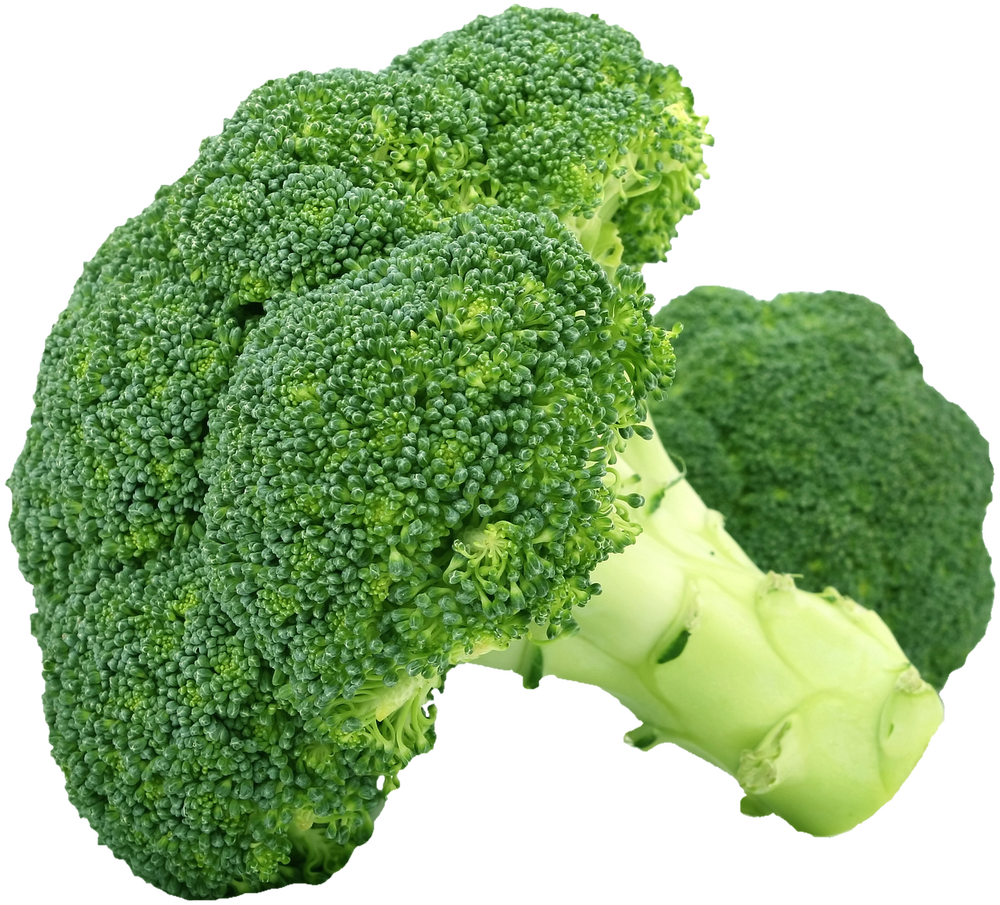
Boiling is one of the most common cooking methods, but it is also one of the harshest when it comes to water-soluble vitamins like vitamin C and the B-complex group. When you submerge broccoli, spinach, or green beans in a large pot of boiling water for a long time, those delicate nutrients leach out into the water and go down the drain.
The longer the vegetable cooks, the more the cell walls break down and release their contents. You are essentially making vegetable soup and throwing away the broth. This is especially true for leafy greens and cruciferous vegetables, which lose a significant chunk of their folate and vitamin C content after just a few minutes of aggressive boiling.
Quick fix: Switch to steaming, roasting, or quick sautéing. If you must boil, use only a small amount of water and keep the cooking time short—around 3 to 5 minutes for most tender vegetables. Better yet, save the cooking liquid to use as a base for soups or sauces.
Mistake #2: Always peeling your fruits and vegetables
Many people habitually peel potatoes, carrots, apples, cucumbers, and squash before cooking. While this can improve texture in certain recipes, it also removes the most nutrient-dense part of the plant. The skins and peels often contain concentrated amounts of fiber, antioxidants, and vitamins.
Potato skins, for example, house a substantial portion of the potato's iron, potassium, and vitamin C. Apple peels are rich in quercetin, a powerful flavonoid with antioxidant properties. Even the thin skin of a cucumber contains silica and additional fiber. By peeling everything, you're throwing away some of the best nutrition.
There are, of course, exceptions: tough skins on winter squash or inedible peels on onions and garlic. But for many everyday items, the peel is perfectly edible and nutritionally valuable.
Quick fix: Wash produce thoroughly and leave the skin on when possible. For recipes that call for peeled potatoes or carrots, try a modified approach—peel only half, or use a vegetable brush to clean them well and cook them with the skin intact.
Mistake #3: Using excessively high heat with delicate oils and fats
Not all cooking fats are created equal, and using the wrong one at high heat can create harmful compounds while degrading beneficial fatty acids. When you heat extra-virgin olive oil or flaxseed oil past their smoke point, their polyunsaturated fats begin to oxidize, producing free radicals and potentially carcinogenic compounds.
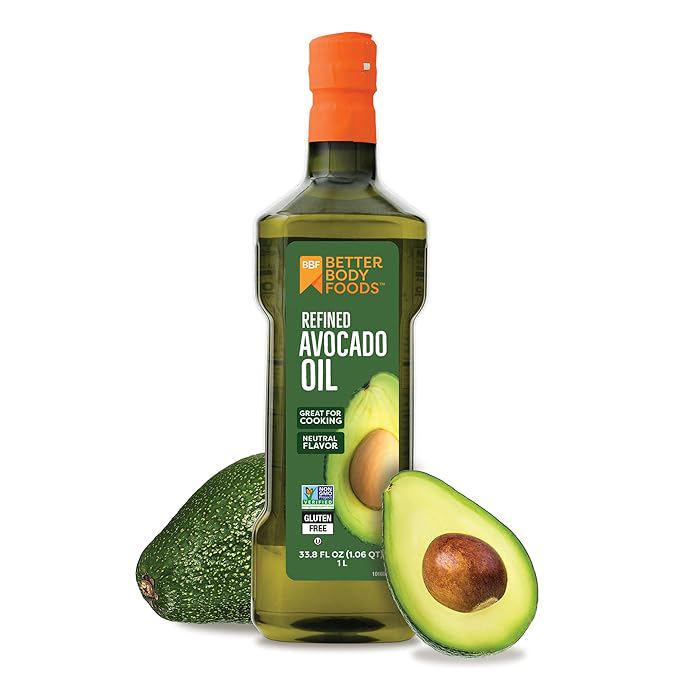
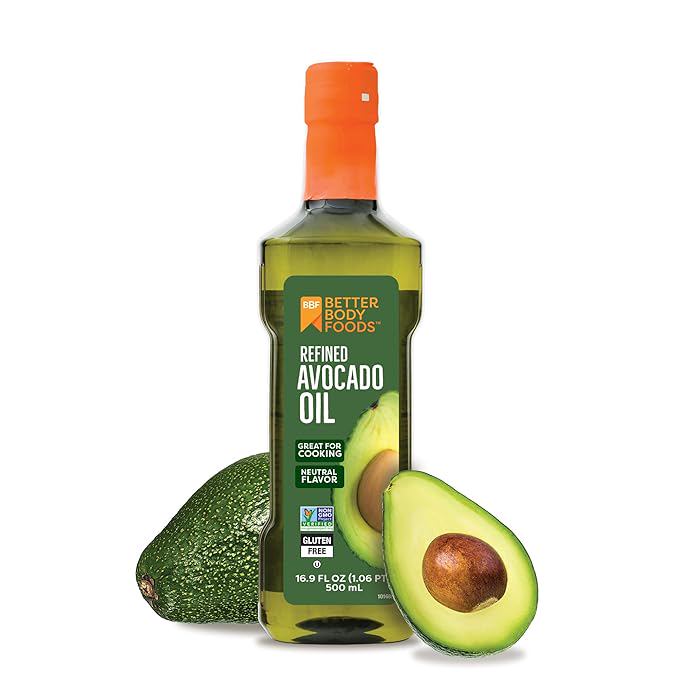
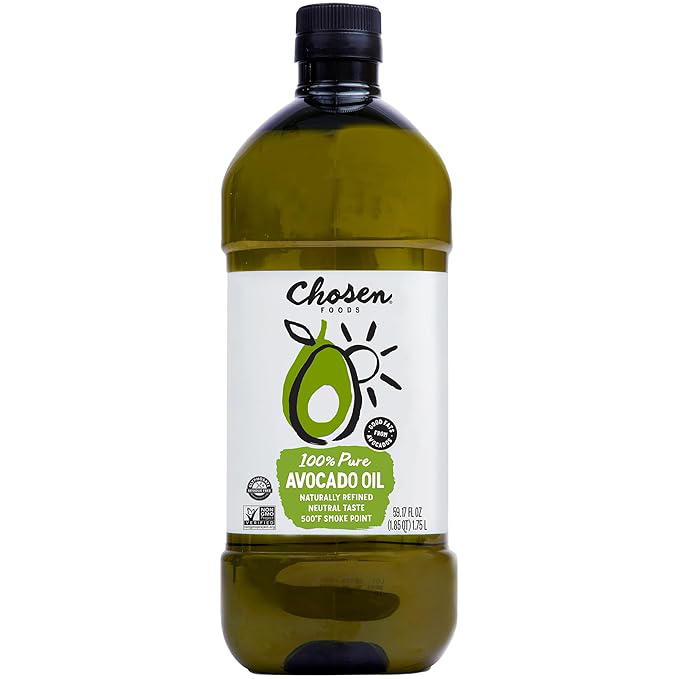
This doesn't mean you need to stop cooking with olive oil—far from it. But it does mean you need to match your cooking method to the fat you're using. High-heat searing or deep-frying requires oils with a high smoke point, such as avocado oil, refined coconut oil, or clarified butter (ghee). Using a delicate oil for high-heat cooking not only destroys some of its nutritional benefits but also introduces unwanted chemical changes.
Quick fix: Reserve your unrefined olive oil for medium-heat sautéing, salad dressings, or drizzling over finished dishes. For stir-fries, roasting at 425°F or higher, or pan-searing, choose avocado oil or grapeseed oil. Keep heat moderate to preserve the integrity of both your food and your oil.
These three adjustments are straightforward, but they can have a cumulative effect on your daily nutrient intake. By respecting the temperature limits of your oils, keeping the skins on your produce, and avoiding prolonged boiling, you preserve more of what you're paying for. Small changes to your cooking routine can make a real difference in the nutritional impact of every meal.