
You roll up your mat after a deep evening practice, feeling the stretch in your hamstrings and the quiet in your mind. You expect to sleep like stone. Instead, you find yourself staring at the ceiling at 2 AM, or waking groggy and stiff the next morning. If this sounds familiar, the problem isn’t your asana—it’s likely how your practice interacts with your sleep cycle.
Yoga is meant to support the nervous system, but certain habits—especially around timing, intensity, and what you consume after class—can quietly sabotage your recovery. Let’s look at the three most common sleep mistakes yogis make, and how to fix them so your body actually gets the rest it needs to rebuild.
1. Practicing a Vigorous Flow Too Close to Bed
If you’ve ever taken a 7 PM Vinyasa class and then struggled to wind down, you’ve felt this firsthand. A dynamic practice—think Sun Salutations, arm balances, or fast-paced standing sequences—raises your heart rate, activates your sympathetic nervous system, and increases cortisol. That’s great for a morning workout. It’s the opposite of what you want before sleep.
Your body needs a drop in core temperature and a shift toward the parasympathetic nervous system to fall asleep. When you elevate your heart rate within two hours of bedtime, you essentially tell your system, “We’re still in fight-or-flight mode.”
A simple swap: Move your vigorous practice to the morning or afternoon. If you must practice in the evening, stick to yin yoga, deep hip openers, or restorative poses with long holds (5–10 minutes each). Legs-Up-the-Wall pose (Viparita Karani) is a direct signal to your nervous system that it’s time to slow down.
2. Eating or Drinking the Wrong Things Post-Practice
There’s a common belief that a post-yoga smoothie or a cup of herbal tea is harmless. But timing and ingredients matter. Many yogis drink green tea or matcha before evening practice for energy and focus. That’s a direct dose of caffeine, which has a half-life of roughly 5–6 hours. Matcha contains even more L-theanine than regular green tea, but the caffeine content can still disrupt deep sleep stages if consumed after 4 PM.
The same goes for dark chocolate. A square or two is a treat, but dark chocolate contains theobromine, a stimulant similar to caffeine. Even a small amount can keep your brain slightly alert through the night.
- What to avoid in the 3 hours before bed: green tea, matcha, dark chocolate, and kombucha (yes, it has trace caffeine and sugar).
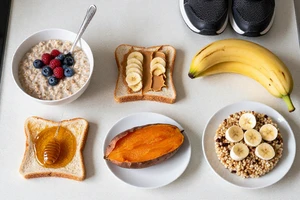
- What you can have safely: warm water with a squeeze of lemon, plain chamomile or tulsi tea, or a small banana. Don’t eat a full meal right before lying down—your digestion competes with your sleep drive.
If you feel shaky or hungry after evening practice, a small snack like a handful of almonds or a few slices of apple is fine. Just keep it light and finish at least 60–90 minutes before lights-out.
3. Pushing Through Pain or Mental Fog on the Mat
Yoga’s philosophy includes ahimsa, or non-harming—and that applies to your own body. One hallmark of a dedicated yogi is the willingness to hold a pose longer, breathe through discomfort, or take one more class even when tired. But chronic fatigue accumulates. When you override your body’s signals during practice, you don’t just risk injury—you also disrupt the hormonal cascade needed for deep sleep.
High-intensity practice on too little sleep keeps cortisol elevated. Elevated cortisol at night blocks melatonin production, reduces REM sleep, and leads to lighter, less restorative rest. The result? A cycle where you wake tired, practice hard to “wake up,” can’t sleep, and repeat.
Pay attention to how you feel during Savasana. If you’re still mentally racing or physically tense after rest, it’s a red flag that your evening practice was too stimulating. Better to do a 20-minute bedtime yin sequence than a 75-minute Power class.
How to Fix Your Night Routine for Real Recovery
It takes more than just avoiding these mistakes. You need a deliberate transition period between your mat and your pillow. Here’s a practical template:
- Finish any active practice by 7 PM. This gives your core temperature and heart rate time to drop before sleep.
- End with 5 minutes of diaphragmatic breathing. Lie on your back, place one hand on your belly, and make your exhales longer than your inhales. This directly activates the vagus nerve.
- Take a warm shower or bath. The subsequent drop in body temperature after getting out is a powerful sleep trigger.
- Avoid screens for at least 30 minutes. Blue light suppresses melatonin, which is the final gatekeeper of sleep onset.
- Keep your room dark, cool, and quiet. Even a small nightlight can disrupt the pineal gland’s hormone release.
Recovery doesn’t happen on the mat. It happens while you sleep. By protecting your wind-down period, choosing the right practice time, and cutting out late-afternoon stimulants, you can turn your yoga practice into a true asset for deep, reparative sleep—not an accidental obstacle.