Few things derail a healthy routine faster than a sudden, overpowering need for something sweet. It’s easy to assume the urge is a sign of weak willpower or a simple sugar addiction, but the reality is more nuanced — and more interesting. In fact, many of the common explanations we hear about sugar cravings don’t hold up under scrutiny. Let’s pull back the curtain on three persistent myths and look at what science and experience suggest is really going on.
Myth #1: Sugar Cravings Are a Sign of Addiction
The idea that sugar is as addictive as a controlled substance has made headlines for years. It’s a compelling narrative: bite into a cookie, and your brain lights up like a slot machine. But the evidence doesn’t fully support the comparison. While sugar does trigger dopamine release — the same neurotransmitter involved in reward and pleasure — the effect in humans is far milder and more context-dependent than what’s seen with drugs like nicotine or opioids. Most people can eat a piece of cake and stop. True addiction involves loss of control, tolerance, and withdrawal that disrupts daily life. For the vast majority, a sugar craving is a desire, not a dependency. Labeling it an addiction can actually be counterproductive, making people feel powerless when a more practical, behavior-based approach would serve them better.
Myth #2: You Crave Sugar Because Your Body Needs More Energy
This one sounds logical: if you’re tired, your body asks for quick fuel, and sugar is the fastest source. But in reality, most sugar cravings strike not during a genuine energy deficit, but when blood sugar is already on a roller coaster. Eating a high-sugar snack causes a sharp spike in blood glucose, followed by a rapid crash. That crash itself can trigger another wave of craving, creating a cycle that has little to do with actual energy needs. What your body may truly be signaling is a need for stable fuel — protein, fiber, or healthy fat — rather than another quick hit of sugar. The next time you feel an urge for candy or a soda, it may actually be your body asking for a more balanced meal or simply a glass of water. Dehydration is a surprisingly common mimic of hunger and cravings.
Myth #3: Willpower Alone Can Stop Sugar Cravings
There’s a persistent belief that if you just want it badly enough, you can override a craving through sheer determination. That approach works for about five minutes, then backfires. Willpower is a finite resource, especially when you’re tired, stressed, or hungry. The real drivers of sugar cravings often lie deeper: emotional patterns, habit loops, sleep deprivation, and even the composition of your gut microbiome. Research suggests that the trillions of bacteria living in your digestive tract can influence your food preferences. A diet high in sugar feeds certain microbial strains, which may then send signals that encourage more sugar consumption. Willpower wasn’t designed to fight a microbial army. A more effective strategy is to address the root causes — improving sleep quality, managing stress, and slowly reshaping the gut environment by adding more fiber-rich vegetables and fermented foods.
What Actually Causes Sugar Cravings?
Once the myths are cleared away, the real picture is far more actionable. Here are three of the most common underlying triggers:
Blood Sugar Instability
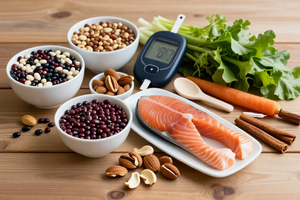
When your blood glucose levels dip after a high-carb meal or skipped breakfast, your body may signal a need for a quick rise. This is less about needing energy and more about restoring balance. Eating meals that combine protein, fat, and complex carbohydrates helps keep blood sugar steady and reduces the frequency of cravings.
Sleep Debt and Stress Hormones
Lack of sleep increases ghrelin, the hunger hormone, and decreases leptin, the hormone that tells you you’re full. It also raises cortisol, which can increase appetite for high-energy foods — particularly sweets. Prioritizing seven to nine hours of quality sleep and building short stress-relief practices into your day can dramatically cut down on the number of cravings you experience.
Gut Microbiome Imbalance
Emerging research shows that the composition of your gut bacteria can influence your food choices. A diet heavy in processed foods and sugar tends to promote bacteria that thrive on sugar, and those bacteria may produce compounds that subtly steer your cravings. Gradually introducing more prebiotic fibers (from foods like garlic, onions, oats, and asparagus) and fermented foods (like yogurt, kimchi, or kombucha) can help shift the balance toward microbes that support healthier preferences.
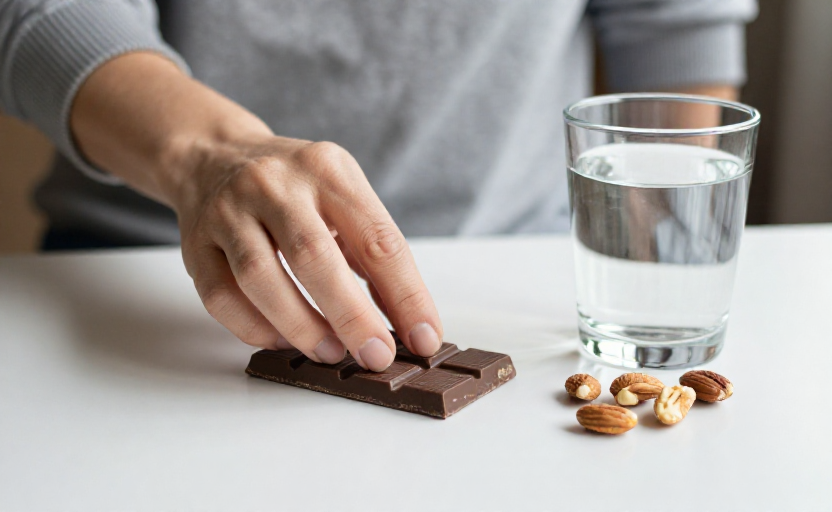
A quick tip: When a sugar craving hits, try waiting 10 minutes and drinking a full glass of water. If the urge persists, pair a small serving of something sweet with a protein or fat — like a square of dark chocolate with a handful of almonds. This simple habit can break the spike-and-crash cycle and turn a potential binge into a controlled choice.
Building a Sustainable Approach
The goal isn’t to eliminate sweet foods forever — that often backfires. Instead, understanding the real causes of your cravings lets you address them at the source. By stabilizing blood sugar, improving sleep, managing stress, and supporting a healthy gut, you naturally reduce the intensity and frequency of those urgent calls for sugar. A mindful, curious approach to your own body’s signals will always be more effective than a war waged with willpower alone.