
Walk through any grocery store or scroll through social media, and you'll see plenty of warnings about "inflammatory foods." Some claims have a kernel of truth, but many have been stretched so far that they've become misleading. As a health editor who talks to dietitians regularly, I've noticed three myths that keep coming up—and they're worth clearing up.
Contrary to what you might have heard, most foods aren't inherently "toxic." The story is usually more nuanced. Below are three common misconceptions about inflammatory foods, along with what the research actually shows.
Myth 1: All grains cause inflammation
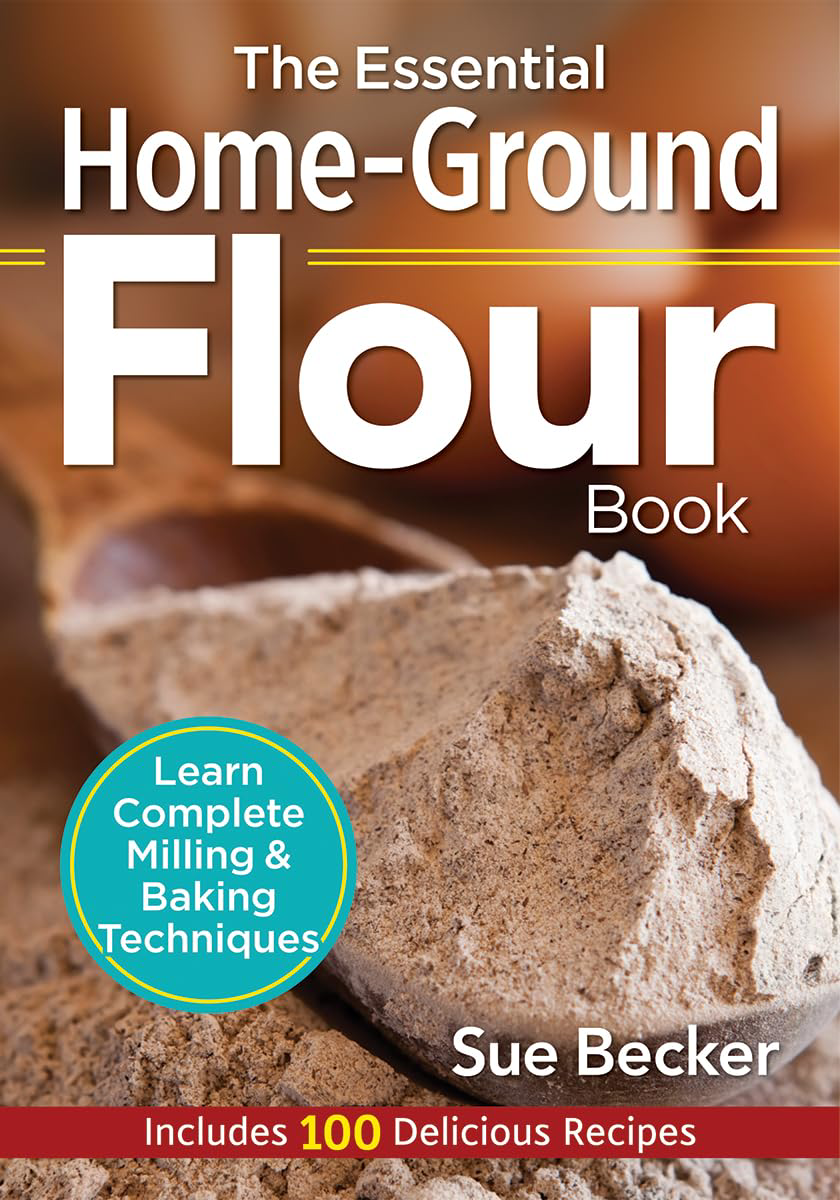
This is one of the most widespread beliefs in the wellness world. The idea that wheat, rice, and other grains trigger inflammation has led countless people to cut out entire food groups unnecessarily. The truth is more specific.
Refined grains—think white bread, pastries, and many processed cereals—can contribute to inflammation when eaten in excess, especially if they replace whole foods. But whole grains like brown rice, quinoa, oats, and even whole wheat have been linked to lower levels of inflammatory markers in multiple studies. The fiber, magnesium, and antioxidants in whole grains likely help regulate the immune response.
For people with celiac disease or non-celiac gluten sensitivity, gluten-containing grains do provoke inflammation. That is a real, medically recognized issue. But for the majority of people without those conditions, whole grains are protective, not harmful. If you tolerate them well, there is no reason to avoid them.
Myth 2: Nightshade vegetables are dangerous for everyone
Tomatoes, peppers, eggplants, and potatoes belong to the nightshade family, and they've gained a reputation for being pro-inflammatory. Some popular diet plans advise cutting them out entirely. Let's look at what the evidence says.
Nightshades contain alkaloids and lectins, compounds that can be problematic for a small number of sensitive individuals—particularly those with existing autoimmune conditions like rheumatoid arthritis. However, for the vast majority of people, these vegetables are anti-inflammatory powerhouses. They are rich in vitamin C, beta-carotene, and other antioxidants. Tomatoes, in particular, are one of the best sources of lycopene, a potent anti-inflammatory compound.
If you suspect nightshades bother you, an elimination diet under the guidance of a dietitian can help you find out for sure. But telling everyone to avoid them is not supported by science.
Myth 3: Dairy is inherently inflammatory
Dairy has been blamed for everything from acne to joint pain. While it is true that some people are sensitive to dairy—either due to lactose intolerance or an allergy to milk protein—this does not mean dairy is inflammatory for the general population.
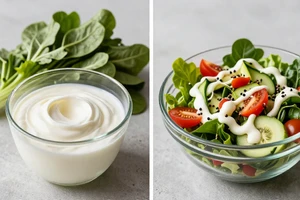
Fermented dairy products like yogurt and kefir contain probiotics that may actually reduce inflammation. Full-fat dairy has been shown in some studies to have a neutral or even beneficial effect on inflammatory markers, likely due to the unique fatty acid profile. Milk is also a primary source of calcium and vitamin D, both of which support immune health.
The key is individual tolerance. If dairy causes you digestive distress or other symptoms, by all means avoid it. If you feel fine eating yogurt or cheese, there is no need to cut it out based on a general myth.
What really matters for reducing inflammation
Instead of obsessing over specific foods to avoid, dietitians generally recommend focusing on the overall pattern of your diet:
- Eat plenty of colorful vegetables and fruits
- Choose whole grains over refined ones
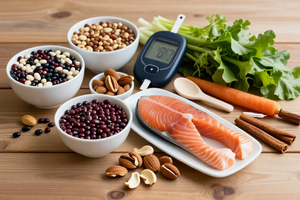
- Include sources of omega-3 fatty acids, such as fatty fish, walnuts, and flaxseeds
- Limit ultra-processed foods, added sugars, and trans fats
- Stay physically active and manage stress
If you suspect you have a food sensitivity, work with a registered dietitian to investigate properly. Eliminating broad food groups without guidance can lead to nutrient deficiencies and an unhealthy relationship with food.
A single food is rarely the enemy. It is the total diet that matters most.