
Trying to figure out why your stomach feels off after meals is frustrating. You suspect a food intolerance—maybe dairy, maybe gluten, maybe something else entirely—and you start experimenting on your own. It makes sense: you want answers quickly, without a doctor visit or expensive tests. But the way most people approach home diagnosis actually leads to wrong conclusions, unnecessary dietary restrictions, and ongoing confusion.
The problem isn't that you're not paying attention. It's that the human brain is wired to find patterns, and few patterns feel as compelling as 'I ate X, then I felt bad.' That link is often real, but the way we test it at home is full of hidden traps. Here are the three most common mistakes people make—and how to avoid them so you can actually get clarity.
Mistake #1: Assuming symptoms appear immediately after eating
Most people expect an angry stomach to send a signal within minutes. When they eat something and feel fine for an hour, they cross it off the list. But food intolerances are not the same as food allergies. An allergic reaction to shellfish or peanuts can hit within minutes, driven by IgE antibodies. Food intolerances, by contrast, involve digestion, enzyme insufficiency, or gut microbiota reactions—symptoms can take anywhere from 30 minutes to 48 hours to develop.
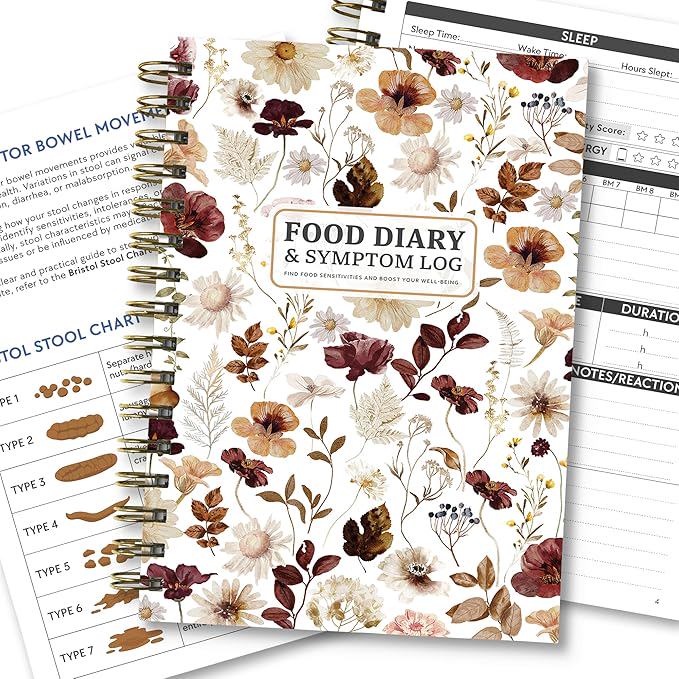
This delayed timeline is the single biggest reason home diagnosis fails. You eat pizza on Friday night, sleep through Saturday morning, and feel bloated and foggy by Saturday afternoon. You blame the salsa you ate at lunch. Meanwhile, the real culprit—the lactose in the mozzarella—has already cleared your short-term memory. To avoid this mistake, keep a simple symptom diary for at least two weeks. Write down everything you eat and drink, and note symptoms as they occur, along with the time. Only then look back for patterns that fit a 6- to 24-hour delay, not a 10-minute one.
Mistake #2: Cutting out too many foods at once
It's understandable: you feel terrible and want a clean slate. So you go 'grain-free, dairy-free, soy-free, nightshade-free' all in one week. The result? You might feel better, but you have no idea why. You've turned your diet into a black box. If your symptoms disappear, which food was the issue? Was it the milk, the bread, or the tomatoes? You can't know, and you're now living on a frustratingly narrow list of safe foods that may be more restrictive than necessary.
A better approach is the single-elimination method. Pick one suspected food group—dairy is a common starting point—and remove it completely for two to three weeks. Monitor your symptoms. If they improve significantly, you have a strong lead. Then comes the crucial step: a reintroduction challenge. Eat a normal serving of that food (say, a glass of milk) and note how you feel over the next 48 hours. If symptoms return, you've found your intolerance with reasonable confidence. If nothing happens, test the next candidate.
Cutting out multiple foods simultaneously doesn't just muddy the data. It also risks nutritional gaps. Dairy provides calcium and vitamin D; whole grains provide B vitamins and fiber. Eliminating them without a clear reason can leave you worse off in the long run.
Mistake #3: Confusing temporary gut irritation with a permanent intolerance
You ate a heavy meal, felt terrible, and concluded you must be 'lactose intolerant' or 'gluten sensitive' for life. But the gut is not a static organ. It responds to recent infections, stress, antibiotic use, and even your menstrual cycle. A single episode of food poisoning, for example, can cause temporary lactose intolerance that resolves in a few weeks as the intestinal lining heals. Similarly, a bout of viral gastroenteritis can leave you sensitive to certain FODMAPs for a month or two.
If you label yourself with a permanent intolerance after one bad experience, you may avoid that food unnecessarily for years. Instead, consider that many food intolerances are transient. After a symptom-free period of four to six weeks, try reintroducing the suspect food in a small amount. If your gut has recovered, you may tolerate it just fine. This is especially true for temporary sensitivities following illness or antibiotic treatment.
The gut heals. If you tested positive for a food intolerance after a stomach bug, retest in six to eight weeks. You might be surprised.
There's also a psychological angle here: once you believe you have an intolerance, anxiety about eating the food can trigger real physical symptoms—bloating, nausea, even cramping—through the gut-brain axis. This is called the nocebo effect, and it can reinforce a false diagnosis. Staying open to the possibility that the problem was temporary keeps your diet more flexible and your life less stressful.
When home testing is not enough
If you've kept a careful diary, done systematic eliminations, and still can't pinpoint the culprit—or if your symptoms include severe pain, blood in stool, unintended weight loss, or vomiting—see a healthcare provider. A registered dietitian or gastroenterologist can guide you through a proper elimination diet (like the low-FODMAP protocol) or order tests for conditions like celiac disease, which requires an intestinal biopsy for diagnosis. Self-diagnosing gluten intolerance, for instance, can actually interfere with getting an accurate celiac test, since you need to be eating gluten for the blood test to work.
The goal of home diagnosis isn't to be your own doctor. It's to gather enough information to have a productive conversation with one. By avoiding these three mistakes, you'll save yourself months of confusion and a fridge full of foods you don't actually need to avoid.