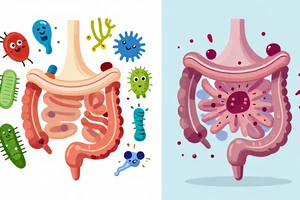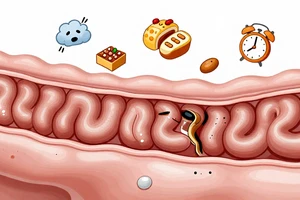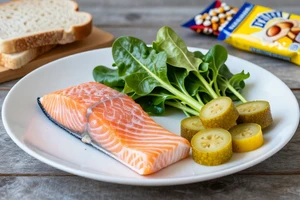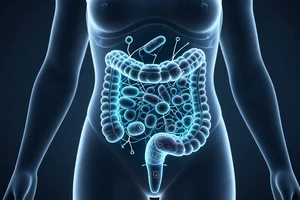
Leaky gut syndrome—also called increased intestinal permeability—has become a major focus in digestive health discussions. While the concept can feel abstract, the underlying triggers are surprisingly concrete. For many people, these triggers come down to three everyday culprits: chronic low-grade stress, a diet low in fermentable fibers, and a lack of microbial diversity. The good news? Each of these factors can be gently addressed with prebiotic fibers, the food that fuels your gut’s protective barrier.
Stress and the Gut Barrier
When you’re under persistent stress, your body releases cortisol and other stress hormones. Over time, this can weaken the tight junctions between the cells lining your intestinal wall. Think of these junctions as security gates: under chronic stress, they start to loosen, allowing partially digested food particles and toxins to slip into the bloodstream. This leakage triggers low-grade inflammation, which can show up as bloating, fatigue, brain fog, or joint discomfort.
Prebiotic fibers don’t directly lower cortisol, but they support the gut-brain axis by feeding beneficial bacteria that produce short-chain fatty acids (SCFAs) like butyrate. Butyrate acts as fuel for the cells lining your colon and strengthens those tight junctions. By adding prebiotic-rich foods to your diet, you give your gut bacteria the tools to repair and maintain a strong barrier, making it more resilient to the effects of stress.
Short tip: A daily serving of cooked, cooled potatoes or oats (an excellent source of resistant starch) provides fuel for butyrate production without causing dramatic blood sugar spikes.
Low-Fiber Diet and the “Weakened Mucus” Problem
Most modern diets—especially those heavy in processed foods, refined sugars, and low in plant matter—lack adequate fiber. This pattern can starve the beneficial bacteria that normally produce mucin, the gel-like layer that coats your intestinal lining. Without a thick, healthy mucus layer, the gut barrier is left exposed and more prone to leakage.
Prebiotic fibers, particularly inulin, oligofructose, and galacto-oligosaccharides, directly stimulate the growth of bacteria that feed on mucin. When you eat these fibers, your gut microbiota ferments them and produces more SCFAs, which in turn signal the mucus-producing cells to ramp up production. Over weeks and months, a fiber-rich diet can restore a thicker, more protective mucus layer—one that physically blocks larger molecules from crossing the gut lining.
Simple ways to increase prebiotic fiber intake
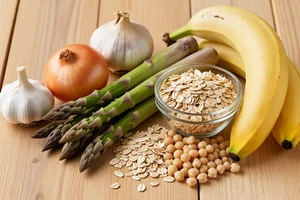
- Jerusalem artichokes (sunchokes): Roast them as a side dish or add raw slices to salads for a crunchy hit of inulin.
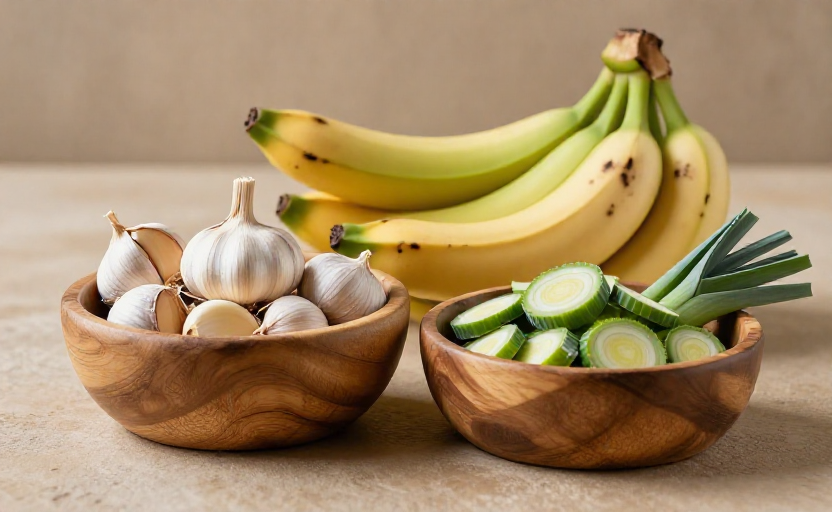
- Garlic and onions: Both are rich in fructans. Use them liberally in cooking—sauté, roast, or add to soups.
- Leeks and asparagus: Steam or grill them; the prebiotic content holds up well to gentle heat.
- Under-ripe bananas: The greenish peel and firmer flesh contain resistant starch that escapes digestion until it reaches the colon.
It’s worth starting slowly: if you’re not used to high-fiber foods, begin with a tablespoon of cooked leeks or half a small Jerusalem artichoke, then gradually increase over two weeks to reduce gas or bloating.
Low Microbial Diversity and the “Missing Species” Trap
Even if you eat a decent amount of fiber, your gut may lack the necessary bacterial species to ferment it. This happens after courses of antibiotics, years of a low-fiber diet, or frequent use of NSAIDs. When key bacteria are missing, the fermentation process stalls, and the SCFA production that strengthens the gut lining never gets off the ground.
Prebiotic fibers act as a selective fertilizer: they promote the growth of beneficial species already present, and over time, they can help restore a more diverse bacterial community. Bifidobacteria and lactobacilli are particularly responsive to prebiotics like fructooligosaccharides (FOS) and galactooligosaccharides (GOS). As these populations rise, they crowd out less desirable bacteria and support a healthier microbial ecosystem—one that naturally protects the gut barrier.
To see meaningful changes, consistency matters more than quantity. Aim to include at least one prebiotic-rich food at each meal: toss a handful of chickpeas into your salad (they contain raffinose), sprinkle ground flaxseed on yogurt (mucilage), or sip green tea (polyphenols act as prebiotics).
Addressing leaky gut isn’t about a single magic food. It’s about recognizing that your gut barrier thrives when you feed your microbes stress resilience, a steady fiber supply, and a varied plant-based diet. The three common causes—stress, low fiber intake, and low microbial diversity—are all within reach of a thoughtful prebiotic strategy. Start small, listen to your body, and let the fibers work at their own gentle pace.